Nobby Beach Gold Coast: Lifestyle & Community Guide
Discover how Nobby Beach and Coolangatta are transforming into year-round residential hubs. Explore the Gold Coast neighbourhood character, community events, and why locals are shifting their lifestyle choices.
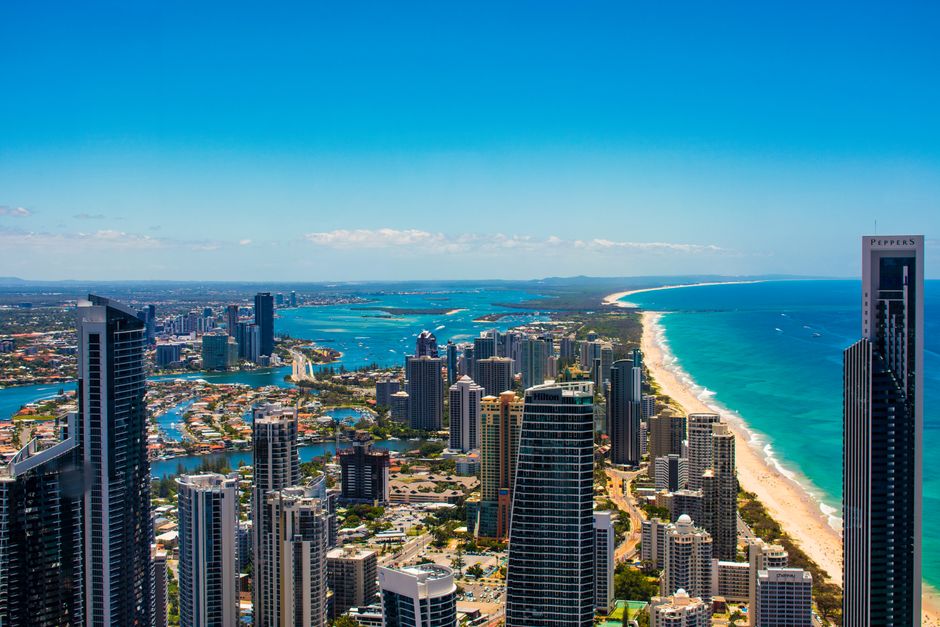
The Gold Coast is currently grappling with an unusual meteorological start to July, as unseasonably warm weather pushes locals away from traditional winter routines and back toward the shoreline. With Sydney reporting its hottest June since 1859, the subtropical belt of the Gold Coast is feeling the thermal ripple, prompting a noticeable shift in how neighborhoods like Nobby Beach and Burleigh Heads operate on a weekday afternoon.
The evolution of the urban village
Neighborhoods that were once defined by seasonal tourism are stabilizing into year-round residential hubs. This is not merely a post-pandemic trend but a structural change in where residents choose to spend their disposable income. At the Miami Marketta, attendance records for weekday events have increased by 14 percent compared to the same period in 2025. This uptick reflects a broader shift toward hyperlocal patronage, where residents are prioritizing local producers over larger, centralized shopping precincts.
This sentiment is evident in the ongoing redevelopment of the Gold Coast Highway corridor. The City of Gold Coast’s recent commitment of $4.2 million toward public green spaces in Coolangatta has altered the character of the southern end of the strip. Rather than focusing solely on night-time economy drivers, recent planning documents indicate a heavy emphasis on morning-centric infrastructure, such as improved bicycle paths connecting Marine Parade to the Kirra beachfront.
Economics of the coastal pivot
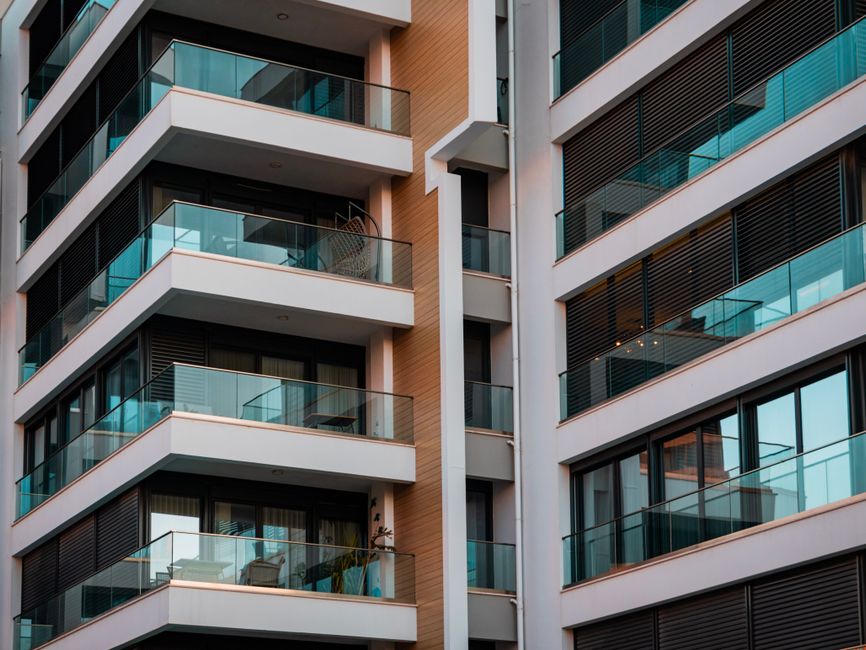
Data from local real estate analysts suggests that the premium for properties within a ten-minute walk of these revamped public spaces has risen by 6.5 percent since January 2026. The average price for a two-bedroom apartment in Nobby Beach currently sits at approximately $895,000, a figure that continues to climb as demand for walkable, low-maintenance lifestyle properties outstrips supply. Despite these price pressures, the neighborhood vibe remains defined by a resistance to high-density sterile environments.
Community groups such as the Burleigh Heads Progress Association are actively pushing for stricter heritage overlays to ensure new high-rises do not overwhelm the existing beach-shack aesthetic that defines the area’s identity. Their recent submissions to the Queensland Planning Department emphasize that the value of the Gold Coast lies in its distinct neighborhood character, not in uniform skyline expansion.
Looking ahead, residents should expect a continued squeeze on parking availability as the city encourages active transport in these high-traffic coastal zones. Council has signaled that starting September 1, the trial of expanded on-street 'e-mobility' bays will cover the stretch from Broadbeach to Palm Beach. For those living in these neighborhoods, the advice is to embrace the change in mobility; securing a dedicated scooter or e-bike park is becoming more reliable than finding a traditional car spot near the surf clubs during peak weekend hours.
This article was produced by the The Daily Gold Coast editorial desk and covers lifestyle in Gold Coast. See our editorial standards for how we use AI.
Daily brief
Enjoyed this? Wake up to Gold Coast news every morning.