The New Gold Coast Schooling Shift: Why Local Families Are Choosing Suburban Hubs Over the Commute
A transformation in extracurricular programming and urban planning is keeping families closer to home this winter, turning quiet pockets into thriving community centers.
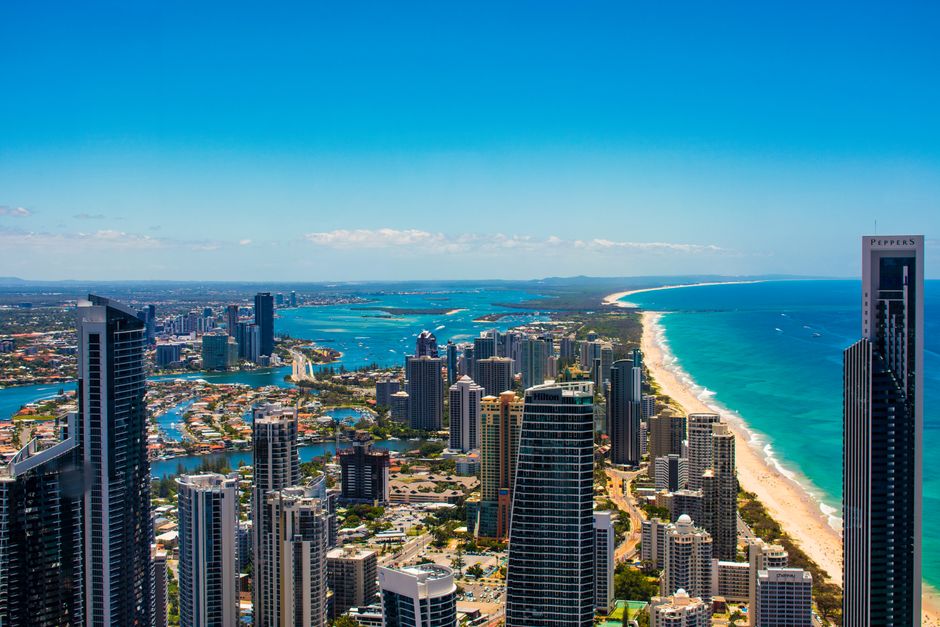
Gold Coast parents are abandoning the long morning crawl along the M1 in favor of hyper-local community hubs, marking a definitive shift in the city’s domestic rhythm. Data from the Department of Education shows a 14 percent increase in local enrollment rates for primary schools in the central Gold Coast corridor since January 2026. Families are increasingly prioritizing walkability and after-school connectivity over the traditional prestige of distant private institutions.
The rise of the neighbourhood 'third space'
The change is driven by a surge in high-quality extracurricular programming that no longer requires a trip to the CBD or the northern suburbs. At the Burleigh Heads State School, the introduction of the 'Future-Proof' robotics initiative has kept students on campus until 5:30 p.m. four days a week. Across town in Varsity Lakes, the community center has pivoted to hosting specialized creative workshops for teenagers that mirror the professional creative hubs seen in Sydney or Melbourne, but with a distinctly local focus on environmental science and digital design.
This isn't just about convenience. Property analysts report that homes within a 2-kilometer radius of 'anchor schools' in areas like Palm Beach and Southport have seen a 6.5 percent value spike over the last six months. Parents cite the predictability of the neighborhood lifestyle as the primary factor. With winter temperatures hitting unseasonable highs, the reliance on outdoor community infrastructure—such as the newly renovated parklands near Tallebudgera Creek—has become the backbone of the weekend social calendar.
Balancing budgets and social connections
Inflation continues to pinch, and the cost of living remains a front-page issue for Gold Coast households. A weekly family shop, including the now-best-value blackberries and local brussels sprouts, is hovering around the $280 mark, forcing parents to be more selective with discretionary spending. Instead of paying for expensive, centralized coaching clinics, local parents are pooling resources to utilize public facilities at the Gold Coast Aquatic Centre for junior sports, cutting monthly out-of-pocket expenses by roughly $200 per child.
The shift is also affecting how children interact with their environment. With the rise of digital distraction, schools are leaning heavily into 'slow parenting' initiatives that encourage unstructured play in local reserves. For the upcoming term, the Gold Coast City Council has pledged an additional $1.2 million to upgrade lighting and safety protocols in secondary school precincts, ensuring these local hubs remain active well after sunset.
For those looking to transition to this hyper-local model, the best advice is to audit your immediate 3-kilometer radius. Check the extracurricular calendar at your nearest public school before looking further afield; many of the most innovative programs are currently being run through local school-parent partnerships that don't make it onto social media feeds. Establishing these ties now will be essential as the city prepares for the next phase of its suburban development strategy, which focuses on keeping community life centered in the neighborhoods rather than the high-rises.
See something wrong? Suggest a correction and help us keep Gold Coast reporting accurate.
Have your say
Loading comments…
About this article
Published by The Daily Gold Coast
This article was produced by the The Daily Gold Coast editorial desk and covers lifestyle in Gold Coast. See our editorial standards for how we use AI.
Daily brief
Enjoyed this? Wake up to Gold Coast news every morning.