Why the Gold Coast is rewriting the rulebook on family life
While Sydney swelters and Melbourne struggles, local families are leveraging a unique fusion of surf-culture grit and high-tech educational access.
While Sydney swelters and Melbourne struggles, local families are leveraging a unique fusion of surf-culture grit and high-tech educational access.
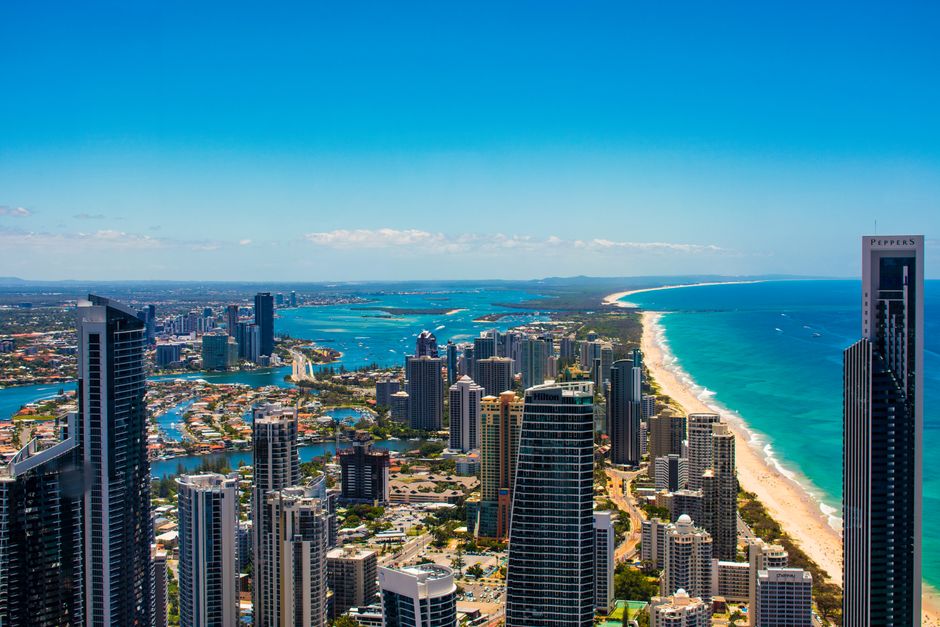
Gold Coast parents are increasingly rejecting the high-pressure, commute-heavy lifestyle of global capitals in favor of a hybrid model that prioritizes coastal proximity during school hours. Unlike London or New York, where families often sacrifice space for proximity to top-tier schools, the Gold Coast corridor from Palm Beach to Southport has codified a lifestyle where surfing is treated with the same institutional weight as mathematics.
This shift is most visible in the morning routines along the Gold Coast Highway. Local public and private institutions are leaning into this regional identity rather than fighting it. At schools like All Saints Anglican School in Merrimac and the state-run Miami State High, the 'board-rack culture' is not just a trend—it is a functional requirement. Administrators report that student attendance and engagement levels remain higher on days with clean offshore winds, forcing a localized policy adjustment where morning surf training counts toward physical education credit.
The economic data supports the appeal of this lifestyle shift. According to the June 2026 residential report from the Gold Coast City Council, the median family home price in suburban Burleigh Waters now sits at $1.42 million, yet demand continues to outstrip supply by a margin of 15%. Families are flocking to the area not for corporate convenience, but for the 'third-space' utility offered by local infrastructure, such as the revitalized Broadwater Parklands, which serves as a sprawling, outdoor, free-access classroom for primary school groups on weekday afternoons.
The recent record-breaking heat in southern capitals has accelerated interest in the Gold Coast’s specific climate adaptation. While June temperatures in Sydney reached levels not seen since 1859, the Gold Coast’s consistent sea breeze provides a natural buffer that local schools are utilizing to keep students outdoors longer. The Gold Coast Health and Wellness Alliance has recently expanded its 'Blue-Green' grant program, providing $5,000 stipends to local daycare centers that implement sand-based sensory learning environments, replacing traditional, heat-trapping bitumen playgrounds.
For families considering a relocation from more congested hubs, the reality of life here demands a departure from the traditional nine-to-five office structure. Most residents are now negotiating 'coastal-flex' contracts, where work is performed in the early morning to clear time for the 3:00 p.m. school pickup, often conducted directly at the beach. If you are planning a move, check the local council’s 2026 school zoning map, as proximity to the 'surf-corridor' has become the primary driver of property values in areas like Currumbin and Tallebudgera. Expect competition for spots in schools with surf-academy programs to intensify as the calendar approaches the 2027 academic year.
Spread the word
About this article
Published by The Daily Gold Coast
Daily brief
Free, in your inbox before 7am. Weekdays.
More from Gold Coast