Nobby Beach: An inside look at the neighbourhood character and community vibe
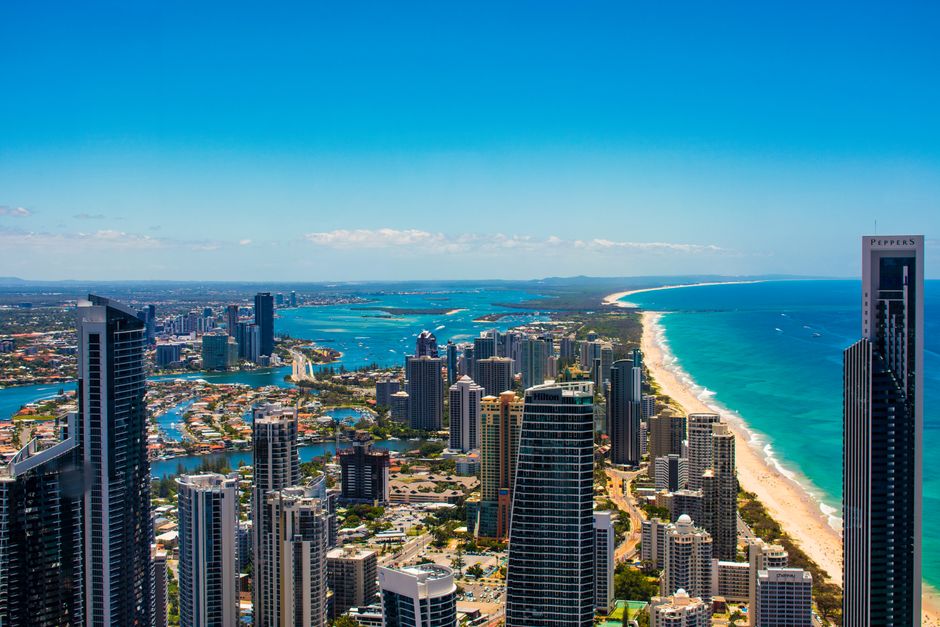
While the high-rises dominate the skyline, a quiet transformation in this coastal pocket is redefining what it means to be a local.
While the high-rises dominate the skyline, a quiet transformation in this coastal pocket is redefining what it means to be a local.

The character of Nobby Beach is shifting, moving away from its reputation as a transient surf stop toward a tight-knit village ecosystem. On a Tuesday morning, the sidewalk traffic along Gold Coast Highway is no longer dominated by tourists with heavy luggage. Instead, the scene is defined by regulars at BSKT Cafe checking in with baristas and a steady stream of locals navigating the narrow lanes behind Wave Street.
This transition matters because the Gold Coast is currently grappling with a severe density crunch. As development applications for high-density units surge across Broadbeach and Burleigh, Nobby Beach has managed to retain its mid-century bungalow footprint, largely due to active community resistance from the Nobby Beach Precinct Association. Residents are pushing back against the "Wall of Glass" effect, prioritizing the preservation of sunlight on the sand and the low-slung architecture that defines the area's identity.
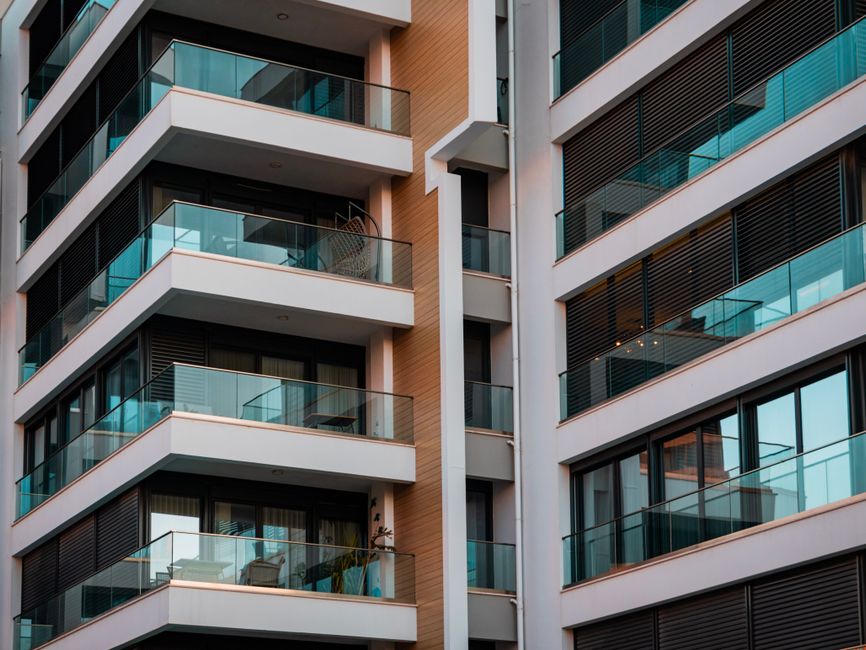
You see this most clearly at the Hellenika-adjacent spaces or the revamped surf club facilities. It is a calculated push to keep the soul of the suburb alive amidst a city-wide construction boom. For those living in the walk-up apartments between Chairlift Avenue and Albatross Avenue, the vibe is markedly different from the frantic pace of Surfers Paradise, just six kilometres north. You are more likely to find a long-term renter swapping keys with a neighbour than a short-stay rental lockbox.
The local real estate market reflects this demand for character. According to June 2026 data from the Real Estate Institute of Queensland, the median house price in the Mermaid Beach/Nobby Beach catchment has held steady at $2.15 million, even as broader market volatility increases. Renters, meanwhile, face a vacancy rate hovering at just 0.8%, making the community cohesion seen at local hubs like the Miami Marketta—which serves as a cultural anchor for the broader area—all the more essential for resident retention.
Investment in public infrastructure is playing catch-up to this population density. The City of Gold Coast’s 2026-27 budget allocates $14 million specifically for the Nobby Beach light rail station precinct. This project will test the neighbourhood's ability to absorb increased foot traffic without sacrificing the quietude of its side streets. For now, residents are keeping a close watch on the construction hoardings. The consensus is simple: they want the connectivity the tram provides, but they are wary of the sanitization that often follows transit-oriented development.
If you are looking to tap into this scene, bypass the main strip after 5 p.m. on a Friday. Head toward the smaller eateries on the side streets where the local committee meets to discuss urban planning. Engaging with the Nobby Beach Precinct Association is currently the most effective way to understand the evolving regulatory landscape of the suburb. While global temperatures hit record highs this month, the social climate here remains focused on one goal: ensuring the neighbourhood remains a place where people live, not just a place where they pass through.
Spread the word
About this article
Published by The Daily Gold Coast
Daily brief
Free, in your inbox before 7am. Weekdays.
More from Gold Coast