Gold Coast Light Rail: The Tram That Changed How a City Moves
The G:link has become the spine of the Gold Coast's evolving public transport network.
The G:link has become the spine of the Gold Coast's evolving public transport network.
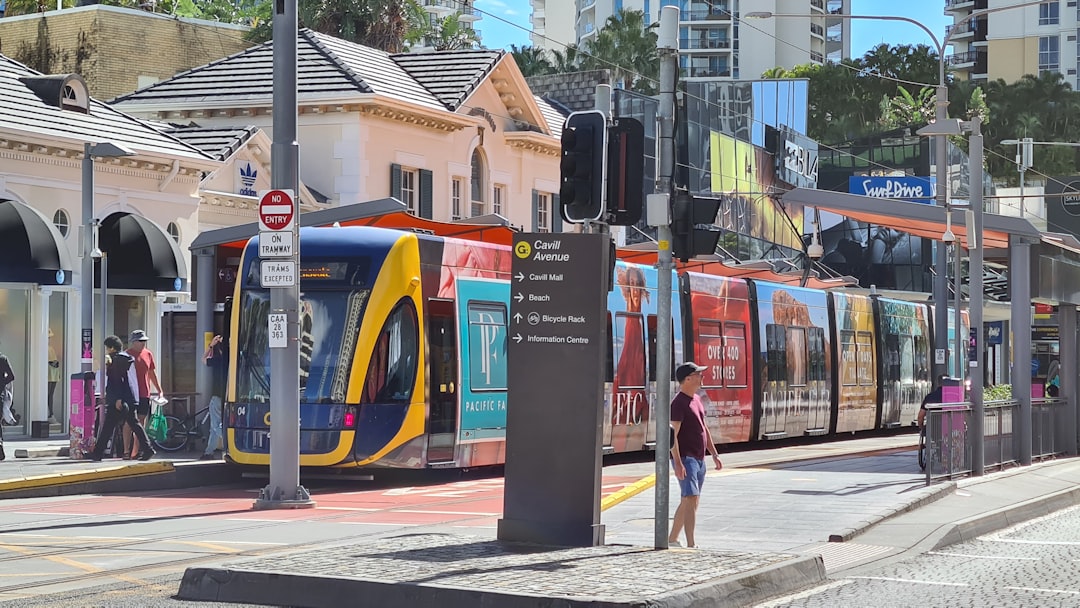
The Gold Coast Light Rail, the G:link tram network that runs from Helensvale in the north through the Gold Coast Health and Knowledge Precinct at Southport, along the beachside strip of Surfers Paradise and Broadbeach to Broadbeach South, provides the highest-quality public transport service in regional Queensland and the infrastructure investment that has transformed the mode choice and the land development along the light rail corridor since the Stage 1 opening in 2014. The G:link's success, measured in the ridership growth from the opening year to the current patronage that makes it one of the most heavily used light rail lines in Australia relative to its length, reflects the quality of the alignment that serves the hospital, the university, the beach tourism strip, and the residential and the commercial centres that the light rail corridor connects in the high-frequency, high-capacity service that sustains the public transport alternative to the car for the Gold Coast corridor that the tram serves.
The Stage 3 extension of the G:link, the approved northern extension from Helensvale to Coomera that the Brisbane 2032 Olympics preparation requires to connect the Coomera Indoor Sports Centre and the Olympic venues of the northern Gold Coast to the light rail network before the Games, provides the infrastructure investment that the Olympics deadline creates the political and the funding commitment for beyond the normal transport planning timelines. The Coomera extension's delivery before the 2032 Games creates the Olympic legacy transport infrastructure that the Gold Coast community benefits from in the permanent public transport improvement that the Games funding commitment delivers and that the post-Games ridership sustains as the everyday public transport for the northern Gold Coast growth corridor.
The G:link's impact on the land development along the light rail corridor, the transit-oriented development that the station precincts have attracted since the line's opening and that the apartment towers, the commercial development, and the increased density of the residential and the retail development within the walkable catchment of the stations create as the development outcome that the public transport investment generates, demonstrates the value-capture potential of the light rail investment that the Queensland Government and the Gold Coast City Council can use to justify the infrastructure cost through the community benefit of the reduced car dependence and the urban density that the transit-oriented development enables in the station precincts. The increased property values in the light rail station catchments reflect the amenity premium that the frequent, reliable, and high-quality public transport access creates for the residential and the commercial property in the walkable station precinct.
The bus rapid transit network that the Gold Coast's expanded public transport system uses to complement the light rail on the corridors that the light rail does not serve, including the inland suburban areas and the hinterland communities that the coastal light rail alignment cannot reach, creates the public transport network that extends the G:link's reach into the broader Gold Coast travel market. The integrated ticketing system that allows the seamless transfer between the light rail and the bus services with the same ticket creates the network effect that sustains the public transport as the viable alternative to the car for the multi-leg journey that the Gold Coast's dispersed spatial structure creates for the public transport user who needs to combine the tram and the bus to complete the journey from the origin to the destination in the Gold Coast's complex travel geography.
This article was compiled by AI from the sources linked above and screened before publishing. See our editorial standards.
Spread the word
About this article
Published by The Daily Gold Coast
Daily brief
Free, in your inbox before 7am. Weekdays.
More from Gold Coast