Getting Around the Gold Coast in 2026: Light Rail, Bus and Driving
How the Gold Coast's transport network connects a long, linear city.
How the Gold Coast's transport network connects a long, linear city.
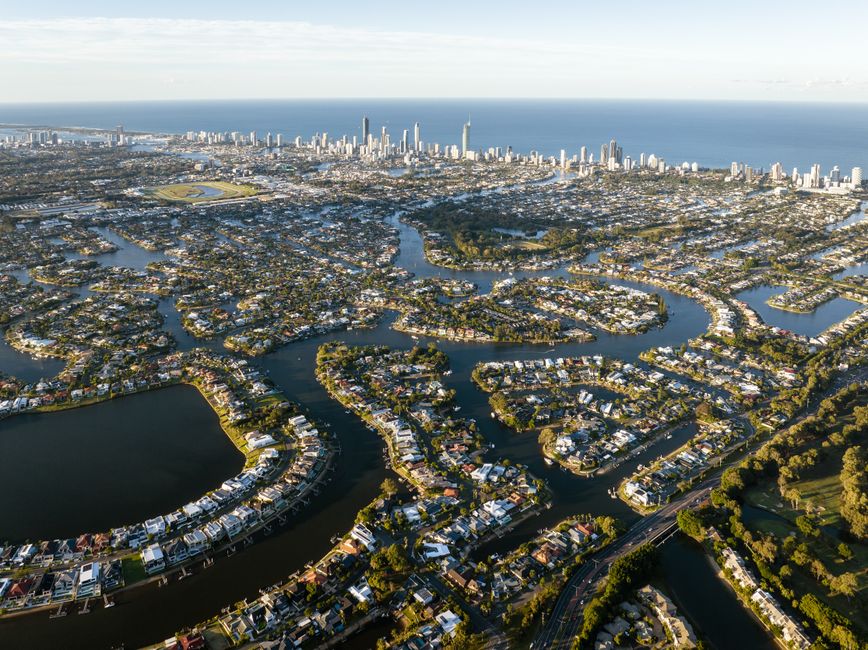
The Gold Coast is a long, linear city stretching approximately 50 kilometres along the coast from the Queensland border at Coolangatta to the northern edge at Oxenford. This geography creates distinctive transport challenges that the city's growing light rail network is beginning to address.
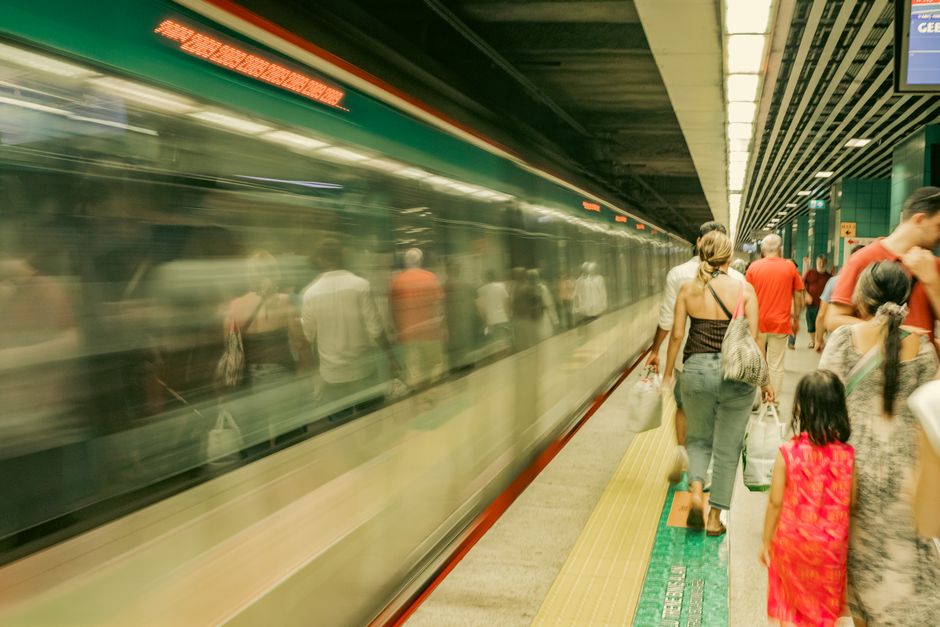
The Gold Coast Light Rail (G:link) runs from Helensvale to Broadbeach, connecting the northern suburbs, Surfers Paradise, Broadbeach and points between. It is the spine of the Gold Coast's public transport network and has significantly improved the viability of car-free travel along the main tourist and business corridor. Extensions north (to Parkwood East and ultimately to Coolangatta Airport) are in planning and development.
TransLink buses serve the broader Gold Coast network connecting suburbs not on the G:link corridor. Frequency varies significantly by route. The bus network is the primary public transport option for most Gold Coast residents outside the coastal strip.
Most Gold Coasters drive. The Pacific Motorway (M1) is the primary north-south artery and carries enormous traffic volumes, particularly on weekends and during school holidays. Congestion on the M1 corridor is a persistent issue. The Gold Coast Highway (parallel to the light rail on the coastal strip) provides an alternative for shorter north-south trips.
The Gold Coast has an expanding cycling network with paths connecting beachside areas and some suburban corridors. The Oceanway coastal walking and cycling path provides a safe off-road route along significant sections of the beach strip.
This article was compiled by AI from the sources linked above and screened before publishing. See our editorial standards.
Spread the word
About this article
Published by The Daily Gold Coast
Daily brief
Free, in your inbox before 7am. Weekdays.
More from Gold Coast