Climate and the Gold Coast: Sun, Storms, and Sea Level
The Gold Coast's subtropical climate is a draw, but climate change is raising the stakes.
The Gold Coast's subtropical climate is a draw, but climate change is raising the stakes.
The Gold Coast's subtropical climate, the combination of the warm, sunny winters that the position between the 27th and the 28th parallel and the maritime influence of the Coral Sea create for the dry season from May to October that sustains the Queensland winter tourism appeal and that the cold-climate population of the southern Australian states and the northern hemisphere winter migrants use the Gold Coast for as the reliable winter warmth that the subtropical latitude delivers consistently across the May-October period, provides the fundamental climate asset that the Gold Coast tourism economy has exploited since the tourism development of the postwar era when the affordable domestic air travel and the Queensland winter destination made the Gold Coast the most popular domestic holiday destination in Australia. The climate's appeal for the retirement migration, drawing the retirees from the southern states who want the warm winter and the outdoor lifestyle that the subtropical climate and the beach and the golf course infrastructure provide in the Gold Coast retirement community, sustains the significant retirement market that the Gold Coast has attracted across the decades.
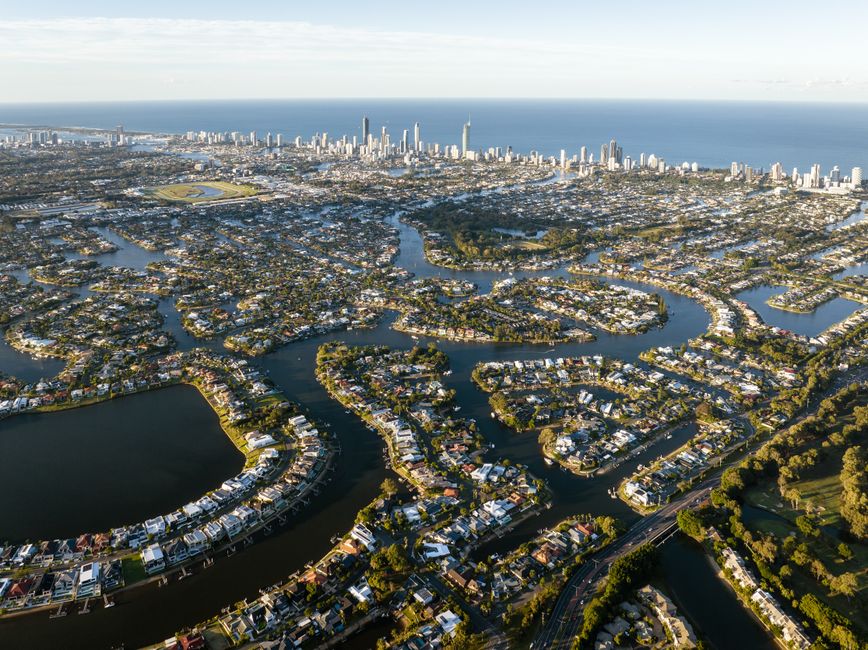
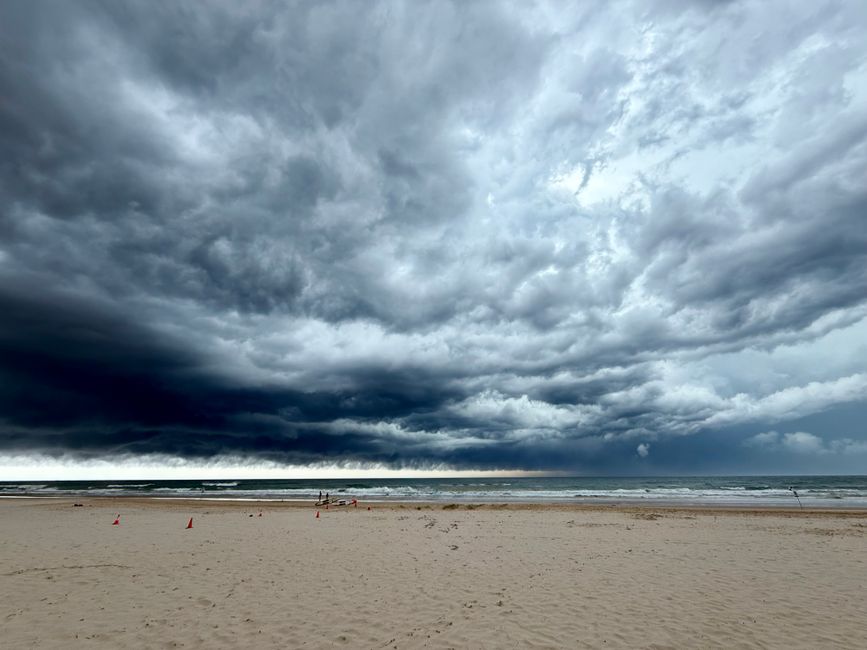
The summer weather of the Gold Coast, the hot and the humid season from November to April when the southeast Queensland monsoonal moisture creates the afternoon storms, the cyclone risk, and the flooding events that the subtropical summer weather pattern delivers to the coastal city that the oceanfront location and the low-lying canal and the Broadwater precincts make vulnerable to the storm surge and the intense rainfall that the severe weather events impose. The East Coast Low weather systems that develop off the Queensland and the NSW coast and that the intense rainfall and the powerful swell that the weather systems generate create the flood and the beach erosion events that the Gold Coast coastline management addresses through the beach nourishment, the seawall, and the emergency management systems that the coastal city's storm resilience requires. The climate record of the Gold Coast shows the increasing intensity of the summer storm events and the sea level rise that the climate change projections warn will increase the flood risk for the low-lying canal estates and the oceanfront properties that currently sit only marginally above the storm surge and the sea level that the projected future climate will create.
The sea level rise projections for the Gold Coast, the scenarios that the Queensland Government's coastal planning policy has incorporated into the planning schemes and the coastal development controls that guide the development approvals and the infrastructure investment for the coastal areas that the sea level rise will affect, create the planning framework that the Gold Coast City Council uses to manage the coastal development risk and the infrastructure vulnerability that the 0.5-1.0 metre sea level rise by 2100 that the intermediate scenarios project creates for the oceanfront, the Broadwater, and the canal estate precincts whose current flood vulnerability will increase with the sea level rise that the projections anticipate. The adaptation planning for the Gold Coast's coastal assets, including the Surfers Paradise beachfront, the Main Beach foreshore, and the Broadwater recreational infrastructure, creates the long-term investment and the planning decisions that the current council and the community must make to sustain the beach assets that the tourism economy and the lifestyle identity of the city depend on.
The Gold Coast's beach management, the artificial nourishment program that replenishes the sand lost to the northward longshore drift that the coastal current moves the sand along the Gold Coast beach system, sustaining the beach width and the amenity that the tourism and the coastal protection that the beach provides for the oceanfront development require, is one of the most significant and the most expensive ongoing coastal management programs in Australia. The beach nourishment cost, funded by the Queensland Government and the Gold Coast City Council in the annual and the emergency nourishment programs that the storm erosion and the chronic longshore drift require, reflects the value that the tourist economy and the coastal development place on the maintained beach that the nourishment sustains against the natural drift that would narrow the Gold Coast's beaches without the ongoing intervention.
This article was compiled by AI from the sources linked above and screened before publishing. See our editorial standards.
Spread the word
About this article
Published by The Daily Gold Coast
Daily brief
Free, in your inbox before 7am. Weekdays.
More from Gold Coast