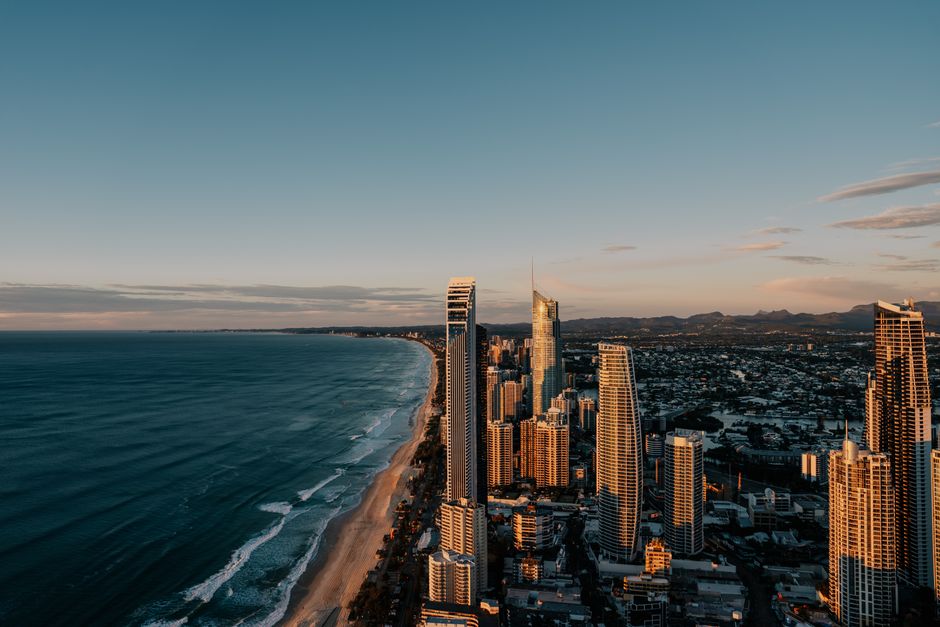
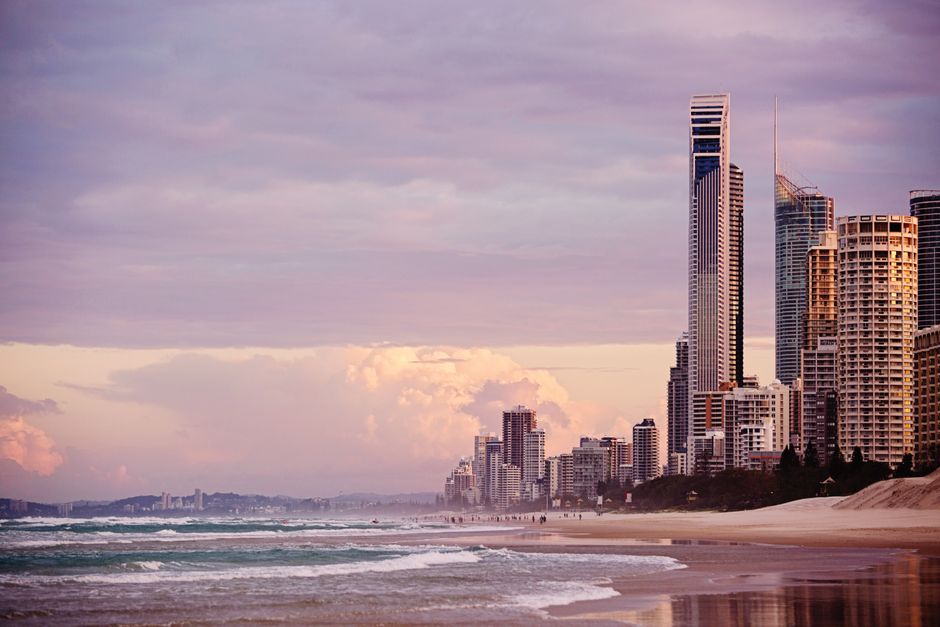
There’s a new windfall blowing through the Gold Coast, and it’s not on the back of property investors from Melbourne. Instead, it’s rapid growth in AI-backed businesses and a sharpening focus on emerging local industries—particularly tech and tourism—that’s opening doors for fast-moving locals.
The timing couldn’t be more relevant. As national headlines spotlight a cooling property market, job losses in southern capitals, and a major investor exodus from the Melbourne real estate sector, the Gold Coast is moving in the opposite direction. With major new construction along Mermaid Beach and an uptick in commercial leasing at Southport’s technology precinct, the story here is opportunity—not retreat. For business owners and skilled workers eyeing the latest migration data, the message is clear: the Gold Coast is back in growth mode, even as the rest of Australia hesitates.
Where Opportunity is Already Paying Off
Specific hot spots show how the tide is turning in the city’s favour. In Burleigh Heads, commercial landlord Savills Australia reported that the vast new AI datacentre project off West Burleigh Road is already attracting international tech tenants, with floor space now over 75% leased for 2026. At The Strand in Coolangatta, hospitality operators are quietly telling leasing agents they’re finally back in expansion mode, riding a winter influx of visitors from both interstate and Asia. Locally, Gold Coast City Council's Digital Gold Coast initiative has disbursed more than $4 million in grants to homegrown startups this financial year. Tech meetups at the The Garden co-working hub in Robina have nearly doubled attendance since last July.
Not everyone is playing catch-up. The team behind the Pacific Fair Innovation Hub jumped early—securing a $1.5m partnership with an overseas logistics company in May. Meanwhile, Gold Coast Airport has just posted its highest-ever June international passenger tally: 392,800 arrivals and departures, according to data released last Friday. Brentford Street in Labrador has seen three new flexible workspace businesses open since January, a sharp signal of growing demand from sole traders and micro-firms capitalising on affordable rents. And the number of AI and digital creative jobs advertised in the city has risen by 62% in the last twelve months, according to SEEK data provided this week.
Key Figures and a Changing Map
The evidence is increasingly clear. Rent on offices along Cavill Avenue, Surfers Paradise, is up 18% year-on-year, CBRE revealed in a 2026 mid-year report. According to ABS figures, the Gold Coast’s business count grew by 2,190 in the year to March—one of the highest rates among Australian regions. Residential vacancy rates remain tight, hovering at just 1.4% in Southport and 1.7% in Broadbeach this quarter, but demand is shifting from would-be homebuyers to short-term renters and small businesses seeking commercial expansion. And only last week, the Gold Coast Innovation Fund confirmed a new round of investments totalling $800,000, aimed squarely at tech, tourism, and green construction startups headquartered in the city.
While much of Australia’s property market is in a holding pattern and Melbourne’s investors withdraw, first movers here are already cashing in. The city’s digital upskilling programs, such as Gold Coast Tech Pathways, report a 40% jump in new enrolments for their July cohort—evidence that locals are not waiting for the next national boom to jump into new livelihoods.
What Comes Next—for Risk-Takers and Cautious Locals
So where should would-be beneficiaries look next? Commercial agents suggest keeping an eye on the transformation along Ferry Road and the Gold Coast Health and Knowledge Precinct, where new office and biotech projects are slated to add hundreds of roles by 2027. Small firm owners can still apply for the Council’s Digital Innovation micro-grants before the August 1 deadline. Meanwhile, operators at Miami Marketta are doubling down on tech-enabled events to draw crowds through the winter months.
For Gold Coast locals, the key is to look not just at real estate but at how AI and new industry investment are already reshaping the jobs and small business landscape. For now, the city’s early adopters—and those willing to upskill—are the ones seeing the biggest dividends.