Gold Coast’s Surprising Boom: Who’s Grabbing the New Opportunities in a Cooling Market
From digital creators to local manufacturers, enterprising Gold Coasters are stepping up amid shifting trends in tech, property, and industry.
From digital creators to local manufacturers, enterprising Gold Coasters are stepping up amid shifting trends in tech, property, and industry.
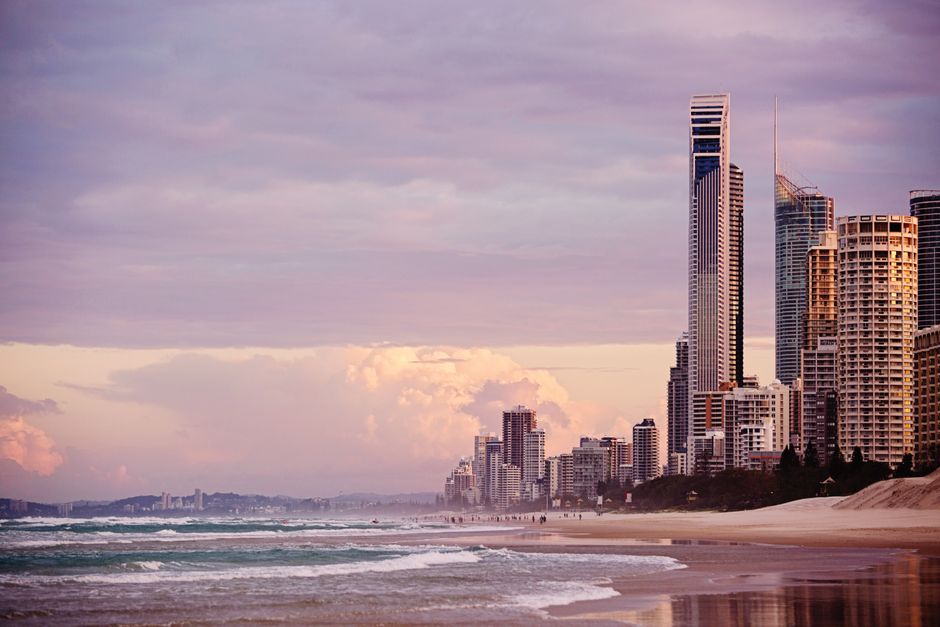
Amid property market jitters and a nationwide squeeze on industrial land, the Gold Coast has emerged as an unlikely growth hotspot—with a select group of locals cashing in. Recent months have seen an uptick in creative digital ventures, AI-fuelled businesses, and small-scale manufacturing, as traditional property investments stall and headlines elsewhere warn of investor flight and falling auction rates.
This matters now because the Gold Coast is diverging from the downward national property trends that have hit Melbourne, Sydney, and Brisbane. Here, shifting capital and talent are landing not in empty office towers, but on the city’s new crop of tech startups, studio collectives, and micro-factories. The shift is tangible in places like the Southport Innovation Hub on Nerang Street, where a surge of local creators—unfazed by Meta’s crackdown on fake AI accounts—are building authentic brands, and at Miami's Factory One co-working space, where new AI-assisted e-commerce companies are popping up monthly.
At the core of this wave is the Southport Innovation Hub, which reported a 40% increase in new tenant applications in the last quarter. Manager Alek Tranter says most new arrivals have backgrounds in creative industries: graphic design, code, and AI content production. Meanwhile, the Gold Coast Tech Network (GCTN), headquartered just up the road at Brickworks Ferry Rd, has seen membership double to 775 businesses since January. Even established players—like the family-run Pacific Trains & Engineering at Molendinar—have returned to value-add manufacturing as orders rebound, thanks in part to a $12 billion federal push to onshore rail manufacturing across nearby Southeast Queensland.
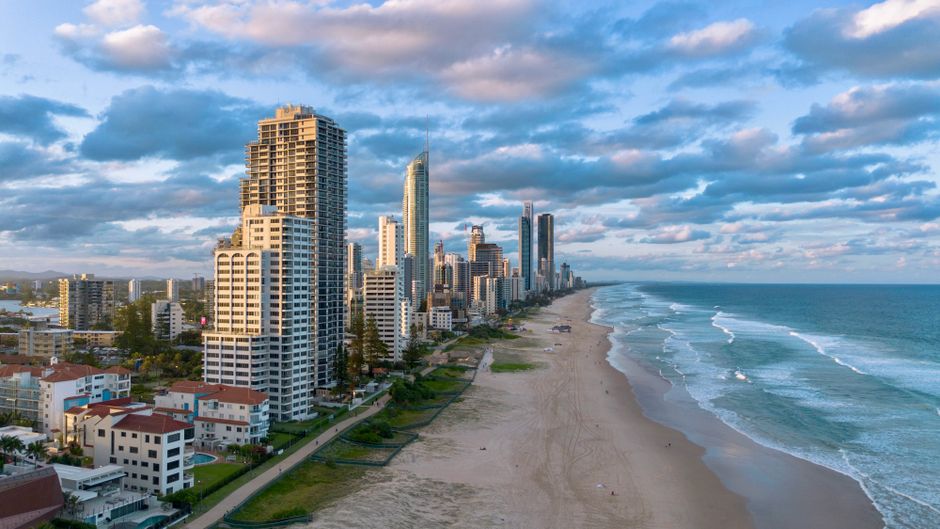
Recent national data explains the context. Auction clearance rates in Melbourne fell below 38% in June, spooking investors—but Gold Coast agents report a different story. While beachfront penthouses in Surfers Paradise have seen price growth flatten (CoreLogic recorded a 1.2% rise, compared to 6% last year), mid-range properties in Robina and Coomera remain hotly contested. Meanwhile, commercial rents for small offices in Bundall have actually risen 6% year-on-year, as startups and service firms seek flexible workspace outside capital cities. And across the Gold Coast, at least 14 new digital media or AI automation businesses registered ABNs in May alone, according to ASIC data.
This shift is already translating into jobs. City of Gold Coast’s own business tracker estimates 1,200 new roles have been created locally in the tech sector since the start of 2026—many filled by recent university graduates from Griffith University’s Southport campus or Gold Coast Institute of TAFE. In Miami Marketta, the creative precinct is hosting around 120 small-scale maker pop-ups each month, up from just 85 at the start of the year.
For those considering seizing Gold Coast’s moment, experts suggest looking beyond traditional property to technology, creative services, and niche manufacturing. "The market is hungry for real, local brands," says an adviser at the Hub. With city and state support—plus a shifting national investment picture—the coming months could offer rare openings for savvy Gold Coasters, from startup founders to apprentices and even hobbyists looking to scale up. The city’s doors, and many coworking spaces, are open for business.
Spread the word
About this article
Published by The Daily Gold Coast
Daily brief
Free, in your inbox before 7am. Weekdays.
More from Gold Coast