wellness
Why Gold Coast Residents Are Sleeping Worse, And What To Do About It
From Surfers Paradise screen glow to Hinterland humidity, a confluence of modern pressures is quietly wrecking the region's rest.
How we reported this
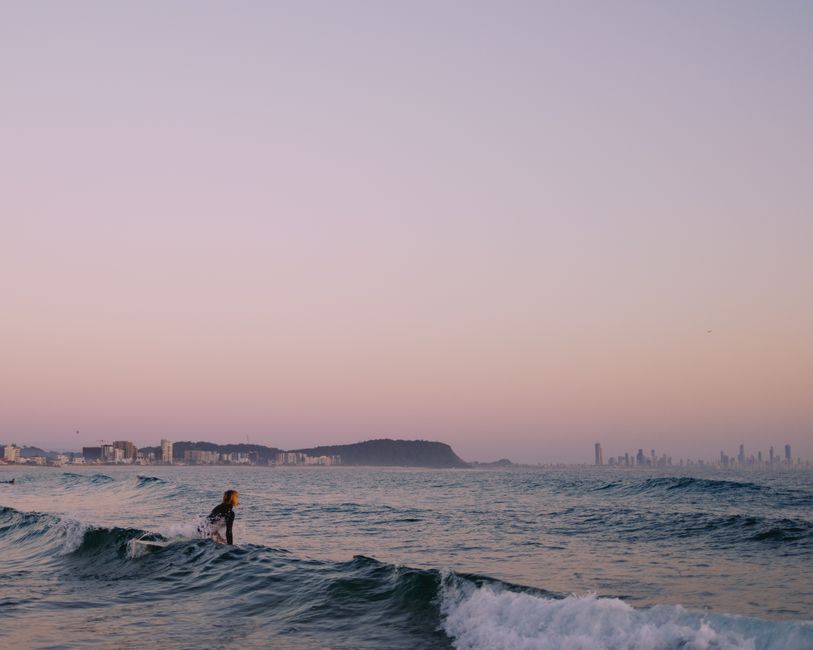
Australians are losing sleep, literally. The Sleep Health Foundation, a national non-profit, has previously reported that roughly four in ten Australian adults experience inadequate sleep on a regular basis, a figure that sleep researchers say has trended upward since the pandemic reshaped work and social routines. On the Gold Coast, where a culture of early surf checks, late hospitality shifts, and year-round events collides with subtropical heat, the conditions for chronic poor sleep are particularly acute.
This isn't abstract wellness chatter. Poor sleep is linked in the clinical literature to increased risk of cardiovascular disease, type-2 diabetes, and depression. July is also the middle of school holidays, when routines collapse, screens multiply, and bedtimes drift. For a city of roughly 700,000 people whose economy runs heavily on tourism and hospitality, industries notorious for irregular shift work, disrupted sleep is a structural problem as much as a personal one.
What's Driving the Problem Locally
Talk to anyone working the Broadbeach strip or pulling early patrol shifts at Kurrawa Beach Surf Life Saving Club and you'll hear the same story: sleep is the first thing to go when schedules get erratic. The club runs nippers training from around 8 a.m. on Saturdays, which means volunteer patrol members are often up before 6 a.m. after Friday-night shifts elsewhere. That combination of social obligation, economic pressure, and community commitment is a Gold Coast specific, but hardly unique, trap.
Light pollution is another underappreciated factor along the coastal strip. The Surfers Paradise and Broadbeach precincts run bright signage well past midnight. Exposure to artificial light after dark suppresses melatonin production, the hormone that signals to the brain that sleep is coming. Research published in the journal Current Biology has found that even modest artificial light exposure in the evening can delay sleep onset by more than an hour. For residents in high-rise apartments facing east along the Esplanade, the problem is compounded by early sunrise, Gold Coast's July sunrise sits around 6:30 a.m., giving little buffer for late sleepers.
Then there's the phone. The wellness influencer community centred heavily around Burleigh Heads and Nobby Beach has done a reasonable job evangelising morning rituals, cold plunges, breathwork sessions at Tallebudgera Creek, but the same demographic is often consuming and producing content until midnight. Blue-light filtering glasses have become a minor cottage industry at health stores along James Street in Fortitude Valley and Pacific Fair in Broadbeach, retailing from about $29 to $150 depending on lens quality.
Practical Steps That Actually Work
Sleep medicine is not complicated in its broad strokes. Consistency is the dominant factor: going to bed and waking at the same time daily, including weekends, anchors the circadian rhythm more effectively than any supplement. The Sleep Health Foundation recommends adults aim for seven to nine hours per night and suggests avoiding screens for at least 30 minutes before bed.
For Gold Coast residents specifically, the Hinterland offers an underused resource. Hiking trails through Lamington National Park, roughly 90 minutes from Southport, expose walkers to natural light gradients, bright midday sun followed by the cooling shadows of rainforest canopy, that genuinely help reset circadian rhythms. Exercise completed in natural daylight before 4 p.m. is associated with faster sleep onset at night, according to research from the University of South Australia's Allied Health and Human Performance unit.
Locally, Gold Coast Health, the public hospital network operating from its main campus on Olsen Avenue, Southport, runs a chronic disease management program that includes sleep assessment referrals through GPs. A GP referral remains the critical first step for anyone experiencing symptoms of sleep apnoea, insomnia disorder, or restless leg syndrome. Wearable trackers and TikTok sleep hacks are not substitutes for a clinical assessment.
The practical advice is unglamorous but consistent: dim the lights by 9 p.m., keep the bedroom below 19 degrees Celsius where possible, cut caffeine after 2 p.m., and protect the first hour after waking from your phone. None of it requires a retreat to Lamington, though it wouldn't hurt.