wellness
Hydration in the Local Climate: How Much and What to Drink on the Gold Coast
With winter temperatures still hitting the high 20s and humidity rarely dropping below 60 percent, Gold Coast residents and visitors are burning through fluids faster than most Australians realise.
How we reported this
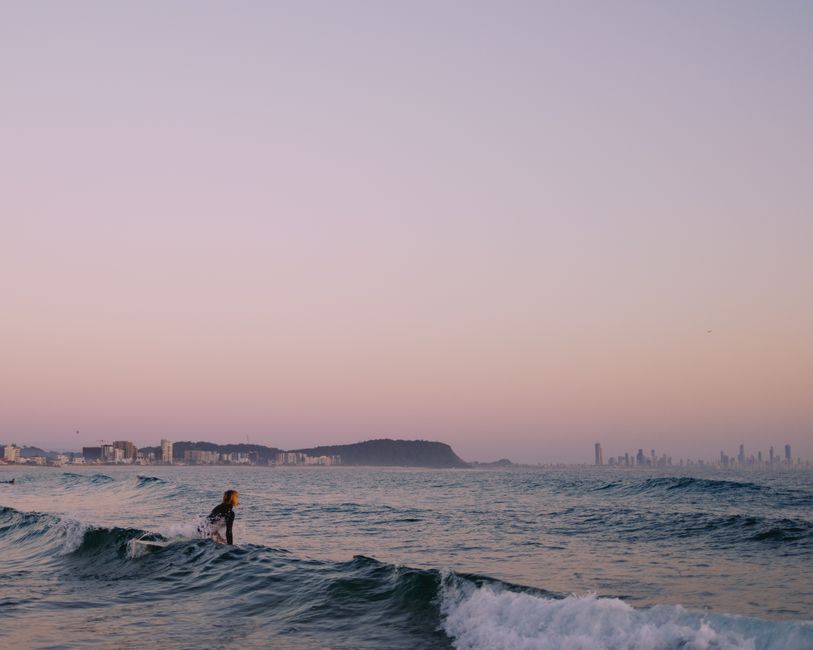
July on the Gold Coast is a lie. Tourists arrive expecting cool relief and instead find themselves sweating through a beach walk by 10am. Average winter daytime temperatures in the region sit around 21-23°C, but the subtropical humidity means the body works significantly harder to regulate temperature than the thermometer suggests. For the hundreds of Surf Life Saving volunteers patrolling beaches from Coolangatta to Main Beach every weekend, and the hikers pushing up Lamington National Park trails in the Hinterland, inadequate hydration is not a seasonal problem, it is a year-round one.
The timing matters. School holidays run through mid-July, meaning the Esplanade at Surfers Paradise and the volleyball courts at Kurrawa Beach are packed with families who have traded Melbourne winters for Queensland warmth. Activity levels spike. So does the risk of mild dehydration going unnoticed, because the Gold Coast's reliable sea breeze can make exertion feel more forgiving than it is.
What the Evidence Says About Daily Fluid Needs
The Australian National Health and Medical Research Council sets general adequate intake guidelines at approximately 2.6 litres of total fluid per day for adult men and 2.1 litres for adult women, figures that account for water from food as well as drinks. Critically, those benchmarks were designed for temperate conditions. Exercise physiologists and dietitians working in subtropical climates consistently advise adjusting upward when ambient temperature and humidity are both elevated, though individual needs vary considerably based on body size, activity level, and health status. Anyone with a specific medical condition should check with a Gold Coast-based GP or accredited practising dietitian before overhauling their fluid intake.
Sweat losses during a moderate 90-minute hike on the Lamington National Park Border Track, a trail climbing to around 1,100 metres elevation with significant humidity, can easily reach one to two litres, depending on pace and individual physiology. That is a meaningful gap to close, and sports science research published in peer-reviewed journals consistently shows that a fluid deficit of just two percent of body weight is enough to measurably impair both physical performance and concentration.
Plain water remains the most effective hydration tool for most people doing low-to-moderate activity. The commercial electrolyte drink market in Australia is now worth well over $400 million annually, according to industry analysts, but registered dietitians generally caution that most sedentary or lightly active adults get sufficient sodium, potassium, and magnesium through food alone. Electrolyte replacement becomes genuinely relevant for sustained exercise lasting longer than 60-90 minutes, particularly in humid conditions, exactly the scenario facing competitive beach volleyball players at Kurrawa, or Surf Life Saving competitors training for the annual Coolangatta Gold event each October.
Local Choices: Taps, Coconuts, and Cold-Pressed Everything
Gold Coast tap water, supplied by Seqwater through the City of Gold Coast's distribution network, is treated and meets the Australian Drinking Water Guidelines. It costs a fraction of a cent per litre. That baseline matters when wellness culture in precincts like Burleigh Heads' James Street strip and the Broadbeach wellness corridor pushes consumers toward cold-pressed juices at $10-$14 a bottle or adaptogenic water blends at similar prices. Some of those products deliver genuine nutritional value. Others are mostly marketing layered over filtered water.
Coconut water has a reasonable evidence base for mild post-exercise rehydration, it contains natural electrolytes including potassium, and Queensland-grown fresh coconuts are available at markets including the Carrara Markets on weekends, often for $5-$7 each. That is a locally grounded and nutritionally sensible option. Caffeinated drinks, including the flat whites anchoring the Gold Coast café economy from Nobby Beach to Helensvale, do contribute to daily fluid intake in moderate quantities, despite the persistent myth that coffee is purely dehydrating.
The practical starting point is straightforward: carry a reusable bottle. Drink before thirst kicks in, because thirst is a lagging signal. Check urine colour, pale straw is the target. If you are heading into the Hinterland or spending a long morning at Northcliffe Surf Club training, add an electrolyte sachet or eat a salty snack alongside water. And if you are experiencing symptoms beyond ordinary thirst, dizziness, persistent fatigue, muscle cramping, that is a conversation for a local health professional, not an influencer's Instagram grid.