wellness
Wind Down Right: What Sleep Science Actually Wants You to Do Before Bed
From Burleigh Heads to Broadbeach, Gold Coast residents are discovering that the hour before sleep matters as much as the hours during it.
How we reported this
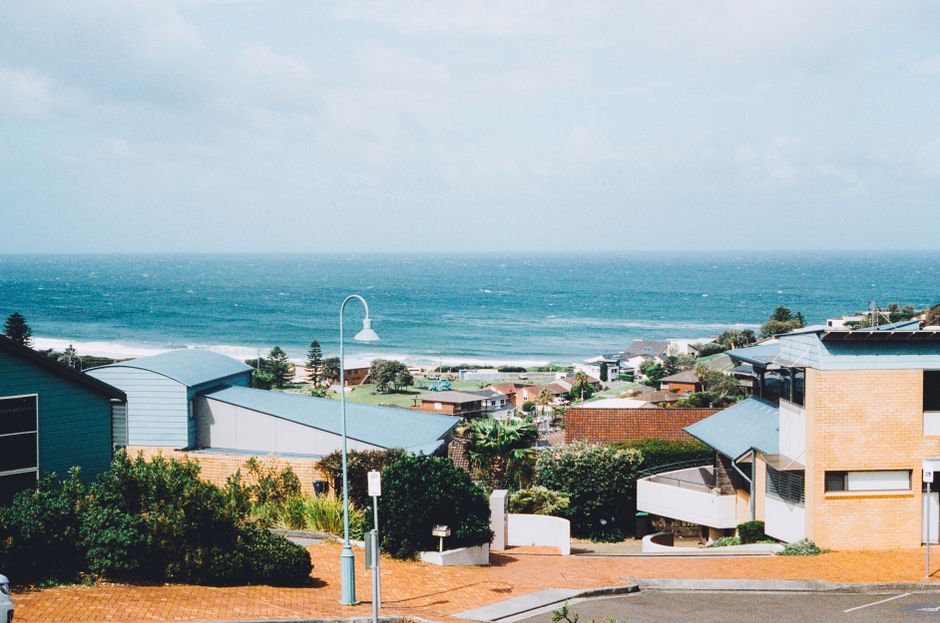
The science is settled on one point: what you do in the 60 to 90 minutes before you close your eyes largely determines how well you sleep. Yet most Australians still scroll, snack, and stress their way through that window, then wonder why they wake groggy. For Gold Coast residents juggling early surf checks, long Hinterland hikes, and the city's notoriously lively restaurant strip on Elkhorn Avenue in Surfers Paradise, building a deliberate wind-down routine is less a luxury than a health necessity.
The timing matters right now. Mid-winter on the Gold Coast brings shorter days, cooler Hinterland evenings around Canungra and O'Reilly's, and a community calendar packed with indoor fitness events and evening social sport at Kurrawa Beach. Disrupted daylight hours nudge the body's circadian rhythm in ways that show up as later sleep onset and earlier morning waking, two complaints that sleep researchers consistently link to inadequate pre-sleep habits rather than poor sleep capacity overall.
What the Research Actually Shows
Sleep health isn't abstract. The Sleep Health Foundation, an Australian not-for-profit, has published data showing roughly 45 per cent of Australian adults regularly suffer inadequate sleep, with consequences ranging from reduced immune function to impaired workplace performance. Chronic short sleep, defined as fewer than seven hours on most nights, is associated with elevated cortisol levels that make the body physically resistant to winding down, creating a self-reinforcing cycle.
The mechanism is straightforward. Core body temperature needs to drop by roughly one to two degrees Celsius to trigger effective sleep onset. Bright light, particularly the blue-wavelength light from phone screens, suppresses melatonin production for up to two hours after exposure. High-intensity exercise within 90 minutes of bed delays that temperature drop. None of this is new science, researchers have known it since the late 1990s, but application remains poor. The wellness influencer community active across Gold Coast's Instagram scene tends to emphasise morning routines almost exclusively, leaving the evening side of the equation underserved.
A practical wind-down routine doesn't require expensive supplements or a blackout bedroom renovation. Consistent timing is the single most effective lever: going to bed within a 30-minute window each night, including weekends, anchors the circadian clock faster than almost any other intervention. From there, the evidence supports dimming overhead lights to around 10 lux, roughly equivalent to a bedside lamp, at least an hour before sleep, and dropping room temperature to somewhere between 18 and 20 degrees Celsius.
Local Options That Fit the Routine
Gold Coast has genuine infrastructure for evening wind-down. The Surf Life Saving Queensland clubs at Kurrawa Beach and Burleigh Heads run twilight nippers and volunteer training that typically finish by 7 pm on weeknights, giving members a natural activity cut-off that aligns well with an 8:30 pm dim-down schedule. The physical exertion is beneficial, moderate aerobic exercise completed more than two hours before bed consistently improves slow-wave sleep depth, but the social debrief that follows matters too. Connection and mild positive emotion in the evening lower the stress hormones that keep the nervous system alert.
For something more deliberately restorative, the yoga and breathwork studios clustered around Nobby Beach and the Chevron Renaissance precinct in Surfers Paradise offer yin and nidra classes specifically scheduled between 7 pm and 8:30 pm. A single drop-in session at most Gold Coast studios runs between $22 and $30, with monthly memberships from around $90. Yoga nidra in particular, a guided body-scan practice done lying down, has been examined in clinical settings for its effect on pre-sleep anxiety, with several small trials recording measurable reductions in pre-sleep heart rate.
The practical closing sequence looks like this: finish dinner by 7 pm, step outside briefly for the cool evening air off the Broadwater or along the Federation Walk coastal reserve near Tallebudgera, dim the lights at home by 8:30 pm, and replace screen time with a physical book, a warm (not hot) shower, or a simple breathing exercise. The shower works because the subsequent rapid skin cooling mimics the body's natural temperature drop signal. Keep the bedroom for sleep only, the habit cue is more powerful than most people expect.
Anyone dealing with persistent insomnia or significant sleep disruption should speak with a GP or accredited sleep clinician before self-managing. The Gold Coast University Hospital at Southport has a sleep disorders clinic, and several private respiratory and sleep medicine practices operate across Robina and Varsity Lakes. A wind-down routine is a foundation, not a cure.