wellness
Staying hydrated on the Gold Coast: how much you need to drink, and what actually works
With winter temperatures still hitting the high 20s and surf club patrols running seven days a week, Gold Coast residents are losing more fluid than they realise, and most are not replacing it correctly.
How we reported this
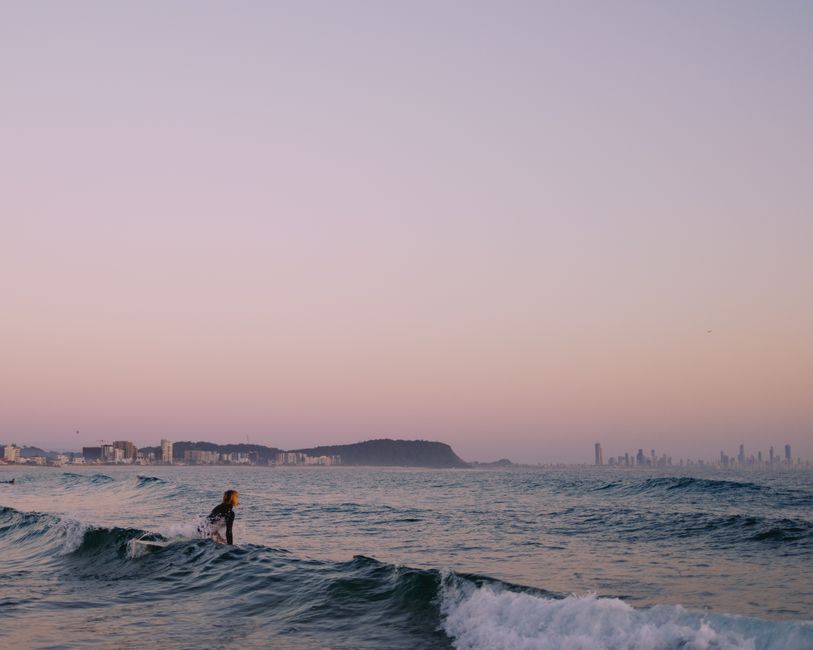
The Gold Coast sits at roughly 28 degrees south latitude, and even in July its days regularly climb to 22-25°C with humidity that makes the air feel wetter than it reads on a thermometer. That combination, warm subtropical winter, outdoor culture, and a population that genuinely spends large portions of the day outside, makes dehydration a year-round concern here, not a summer-only afterthought.
The Australian Institute of Health and Welfare notes that inadequate fluid intake contributes to a range of preventable health conditions, from urinary tract infections to reduced cognitive performance. For a city where weekend plans routinely involve a 10-kilometre trail through Lamington National Park in the Hinterland or a two-hour beach volleyball session at Kurrawa Beach, the margin for error is narrower than many people appreciate.
How much is enough, and why the old rules don't quite fit here
The commonly cited figure of eight glasses, roughly two litres, per day comes from general population guidelines developed in temperate climates. The National Health and Medical Research Council's Australian Dietary Guidelines set the adequate intake for adult men at 2.6 litres of total fluid daily and for adult women at 2.1 litres, but those numbers are baselines, not ceilings. Anyone training with a Surf Life Saving club, Kurrawa Surf Life Saving Club on Cavill Avenue runs junior and senior squads throughout the year, or hiking the Border Track out of O'Reilly's Rainforest Retreat in Canungra is going to burn through that baseline before midday.
A useful field test that costs nothing: check urine colour. Pale straw is the target. Anything darker than apple juice is a signal the body is already operating in a deficit. Gold Coast University Hospital's emergency department consistently sees heat-related presentations during school holiday periods when families underestimate fluid needs during full-day beach outings, according to Queensland Health public awareness materials.
What to drink matters as much as how much. Plain water remains the most efficient vehicle for rehydration, but when exercise exceeds 60 minutes in humidity, electrolyte replacement becomes relevant. Sodium and potassium lost through sweat need to be replaced, a point that local dietitians and sports medicine practitioners on the Coast regularly raise. Sports drinks can serve that purpose, though many commercial options sold at convenience stores along Surfers Paradise Boulevard carry between 27 and 34 grams of sugar per 600ml bottle, which is worth factoring in if consumption becomes habitual rather than situational.
Practical choices for Gold Coast conditions
Coconut water has built a loyal following among the wellness influencer community centred around the Burleigh Heads and Miami neighbourhoods, and it does deliver a natural electrolyte profile, roughly 600mg of potassium per cup, without the synthetic additives in many sports formulas. It is not, however, a complete rehydration solution after heavy exertion; the sodium content is too low to drive meaningful fluid retention after a hard training session.
Cold-brew herbal teas and electrolyte tablets dissolved in water are gaining ground at cafés along James Street in Burleigh Heads and at the weekend farmers markets at Robina Town Centre, where several local producers now stock low-sugar hydration products. Prices for electrolyte sachets at those markets typically run between $1.50 and $3.00 per serve, considerably less than the premium sports drinks stocked at major supermarkets.
Caffeine deserves a specific mention. Coffee is practically a religion on the Gold Coast, and a flat white is not going to dehydrate you, moderate caffeine intake is not the diuretic it was once characterised as in older research. But three or four cups across a hot afternoon on a Broadbeach rooftop, without water alongside, will leave most people in a mild deficit by evening.
The practical starting point is simple: carry a reusable bottle, drink before you feel thirsty, thirst is already a late indicator of fluid deficit, and adjust upward for every hour of physical activity. Anyone managing a health condition, pregnancy, or taking medications that affect fluid balance should speak with a GP or accredited practising dietitian before making significant changes to their fluid intake.