wellness
How to Start a Walking Group in Your Neighbourhood
From Burleigh Heads to Coomera, Gold Coast residents are discovering that organised neighbourhood walks cost nothing to launch and deliver outsized returns for physical and mental health.
How we reported this
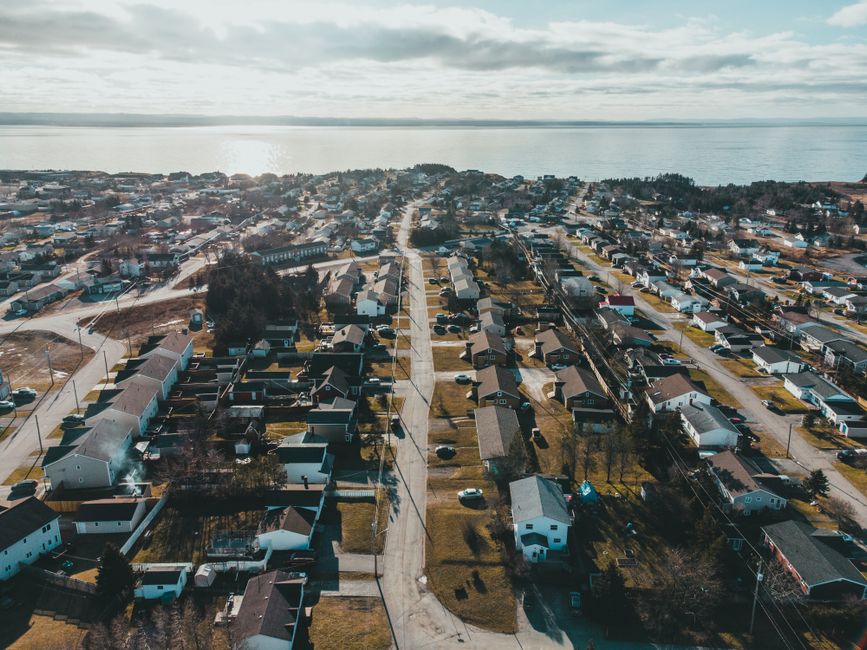
The hardest part is sending the first message. That's the consistent advice from community organisers across the Gold Coast who have watched small neighbourhood walking groups balloon from four or five friends into weekly fixtures of 30 or more people. No gym membership, no equipment, no personal trainer required, just a group chat, a start time, and a footpath.
The timing matters. July is traditionally the Gold Coast's driest and most temperate month, with average morning temperatures sitting around 14 to 16 degrees Celsius, ideal conditions for anyone who has been putting off outdoor exercise since the humid summer. Combine that with the broader national conversation about sedentary habits and the growing pressure on GP waitlists, and local health advocates are increasingly pointing to structured walking groups as a low-barrier intervention that almost anyone can join.
Where to Begin on the Gold Coast
Start with your geography. The city's 57-kilometre coastline and extensive hinterland trail network give neighbourhood organisers more variety than most Australian cities can offer. Burleigh Heads National Park has a two-kilometre headland loop that community groups use for early morning walks, the track is well-lit at its coastal entry points and accessible from the Gold Coast Highway. Further north, the Broadwater Parklands in Southport offer flat, sealed paths that suit mixed-ability groups, including those pushing prams or using walking aids.
Surf Life Saving Queensland clubs along the coast, including the Kurrawa Surf Life Saving Club at Broadbeach, frequently partner with or informally support community fitness activity in their immediate precincts, given their existing presence on the beach corridor. Contacting your nearest club is a practical first step; some have noticeboards or social media channels where a new walking group can be promoted at no cost.
For those in the northern suburbs, the pathway network around Coomera and Hope Island includes links to the Saltwater Creek corridor. Residents in the Hinterland, around Canungra or Tamborine Mountain, have the Lamington National Park trail network on their doorstep, though steeper terrain means those routes suit intermediate rather than beginner groups.
The Practical Setup
Keep the logistics simple. Research published by the Heart Foundation Australia found that adults who walk at least 30 minutes on most days of the week reduce their risk of heart disease by roughly 35 percent. That figure has driven the Heart Foundation's own Walking program, which as of 2025 was operating free group walks in Queensland through registered walk organisers, a resource worth checking before building something from scratch, since the infrastructure (including leader training and liability guidance) already exists.
For groups choosing to self-organise, the core requirements are modest. Pick a meeting point with parking and a public toilet, the Kurrawa Beach volleyball precinct at Broadbeach is a reliable anchor point on the southern Gold Coast, with toilets, parking off Fern Street, and a direct path onto the beach esplanade. Set a consistent day and start time; Saturday at 7 a.m. has proven popular with Gold Coast community groups because it avoids the mid-morning heat and doesn't conflict with weekday work schedules.
Promote locally. The Gold Coast City Council runs community noticeboards through its library network, branches at Robina, Southport, and Mudgeeraba all have physical and digital community boards where a walking group card can be posted for free. Local Facebook groups for suburbs like Miami, Varsity Lakes, and Helensvale regularly carry community event posts and tend to generate genuine local traction faster than city-wide platforms.
Set a pace policy early. The most common reason walking groups dissolve in the first month is that faster walkers outpace newcomers and the social glue dissolves. Experienced organisers recommend designating a tail-end walker, someone who hangs back with the group's slowest member, so nobody feels left behind on the first outing.
Finally, register with Gold Coast City Council's Active and Healthy program, which provides free support for community physical activity groups including promotional assistance and access to council venues. The registration form is available through council's website. For anyone with existing health conditions, checking in with a local GP before joining a new exercise routine remains the sensible first step, but for most people, the greater risk is waiting any longer to start.