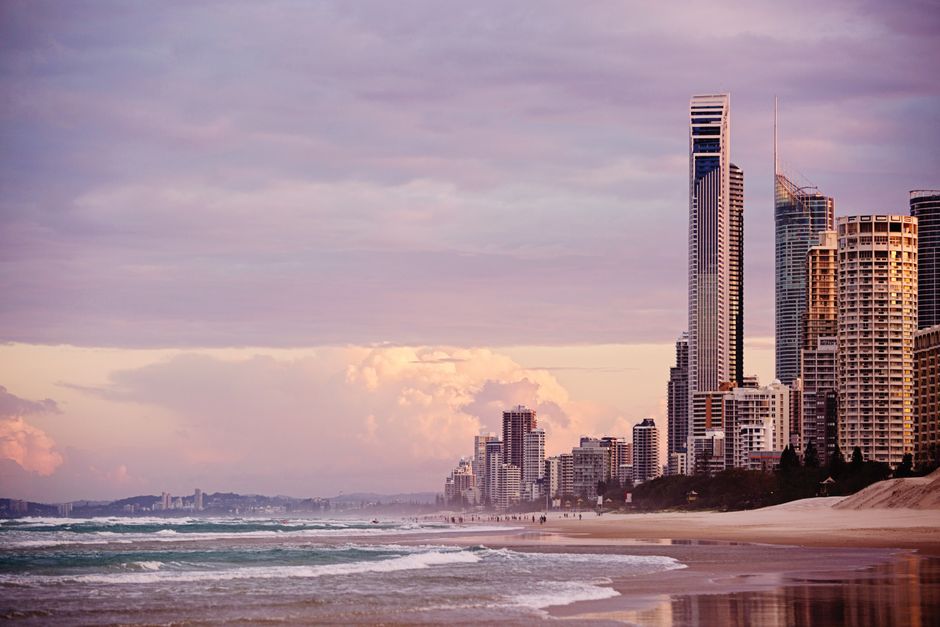
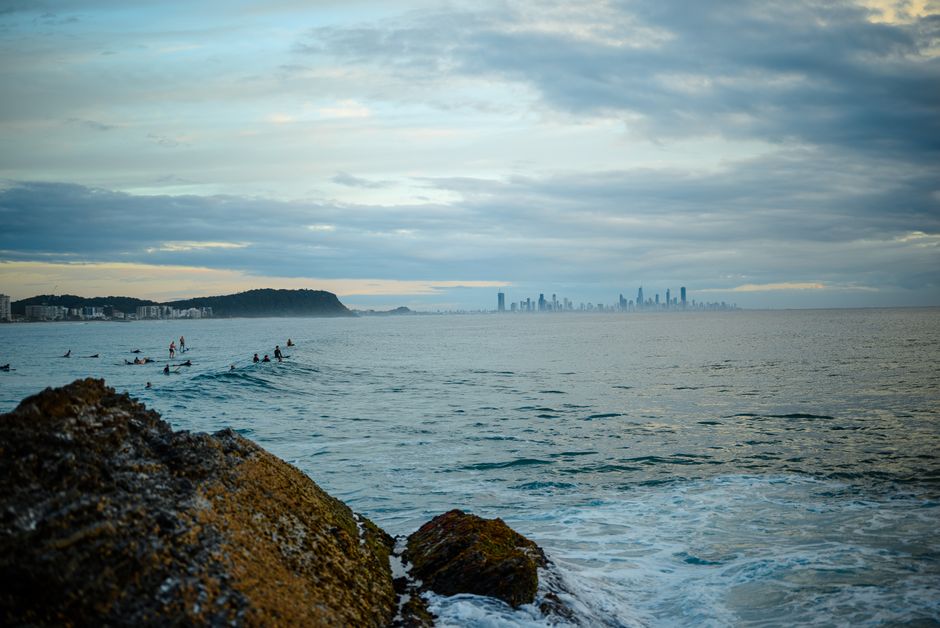
Gold Coast residents are chronically under-hydrated, and the familiar advice most of us grew up with isn't built for this climate. The city's combination of subtropical humidity, year-round outdoor activity culture and a wellness industry that often prioritises aesthetics over physiology means many locals are running on empty — even in the middle of winter.
This matters more than usual right now. July 2026 has arrived on the back of one of the most abnormal temperature runs in recent Australian history, with Bureau of Meteorology data showing Queensland's southeast corner recording overnight minimums up to 4°C above the 1990–2020 average across June. The body's thirst mechanism — already an unreliable dehydration indicator — becomes even less trustworthy when temperatures are unseasonably elevated. By the time you feel thirsty, you are already at least 1–2 percent below optimal fluid levels, a deficit that measurably impairs concentration and physical performance.
Why Gold Coast Conditions Change Everything
The standard Australian Dietary Guidelines recommend 2.1 litres of total fluid daily for women and 2.6 litres for men. Those figures are a floor, not a ceiling — and they were not calibrated for someone doing a 6 a.m. patrol shift at Kurrawa Beach or hiking the Coomera Circuit through Lamington National Park on a 22-degree July morning. Surf Life Saving Queensland's own member-welfare guidance, updated in 2024, recommends active patrollers add at least 500–750 millilitres per hour of moderate exertion on top of baseline intake. Most recreational beach-goers are doing none of that calculation.
The problem compounds indoors. Surfers Paradise high-rises and Broadbeach apartment blocks run reverse-cycle air conditioning for large parts of the year, and conditioned air is aggressively dry. Research published in the Journal of Applied Physiology in 2023 found that sedentary adults in air-conditioned environments lost an average of 300 millilitres more fluid daily than those in naturally ventilated spaces, simply through respiration. Gold Coast locals effectively live between two desiccating extremes: dry indoor air and high outdoor UV load that accelerates sweat evaporation before people recognise they are perspiring.
Electrolytes matter here too, not just volume. Drinking large amounts of plain water during sustained outdoor activity — a beach volleyball session at Kurrawa or a trail run through the Nerang State Forest — can dilute sodium levels and cause hyponatraemia, which produces symptoms that can look deceptively like heatstroke. Sports dietitians consistently recommend that anyone active for more than 60 minutes in Queensland conditions supplement with sodium, either through food or a low-sugar electrolyte product. A standard 500 ml electrolyte sachet from a chemist on Cavill Avenue costs roughly $2.50 and can make a material difference to recovery.
Practical Habits That Hold Up in the Real World
The evidence points toward a few adjustments that are specific and achievable. First, drink 400–600 millilitres of water before leaving home each morning — not coffee, which has a mild diuretic effect at volumes over two cups. Second, use urine colour as a daily calibration tool: pale straw is the target; anything darker than apple juice warrants immediate fluid intake. Third, account for alcohol. A single standard drink at one of the Broadbeach restaurant strips accelerates fluid loss by roughly 100 millilitres beyond what the drink itself provides, which makes Sunday morning hydration debt almost structural for many locals.
For families with children in school sport programs through bodies like Gold Coast Suns Community Foundation or Little Athletics Queensland's local clubs, the calculus shifts further. Children's thirst perception is less developed than adults', and a 90-minute Saturday morning athletics session at Robina Regional Athletics Centre can easily produce a one-litre deficit in a pre-teen without any obvious distress signals until well after the event.
None of this requires expensive intervention. A reusable 750 ml bottle, a basic habit of drinking before thirst arrives and some awareness of electrolyte needs during exercise covers the majority of the gap. Anyone with specific health conditions, kidney function concerns or who is pregnant should speak with a GP or accredited practising dietitian before significantly changing their fluid intake. The Gold Coast Health district runs a network of community health centres, including the facility at Robina, where a dietitian referral is available through a standard Medicare consultation.