Why Cold Water Therapy Is Catching On: The Science and Research Behind Gold Coast’s Coolest Wellness Trend
From Southport to Miami, locals are plunging into ice baths and sea dips – but what does the evidence say about the benefits?
From Southport to Miami, locals are plunging into ice baths and sea dips – but what does the evidence say about the benefits?
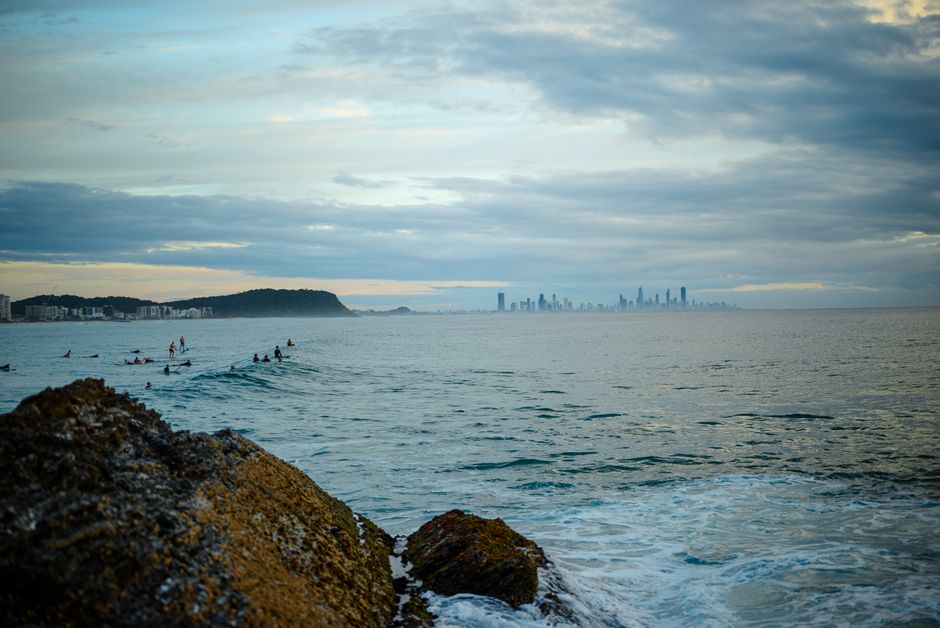
This winter, guided ice bath sessions and ocean swims have surged on the Gold Coast, with more than a dozen wellness operators now offering cold water therapy from Burleigh Heads to Main Beach. Interest is up more than 200 per cent compared to last year, according to booking data from Surfers Paradise wellness app BeyondSoothe. But does the science really back up plunging into frigid water before breakfast?
The uptick in cold exposure comes as the city faces an unusual stretch of mild winter days, even after Sydney posted its hottest June in over 150 years. Many Gold Coasters are seeking new ways to stay energised, improve mood and – according to some – boost immune health as the school holidays begin. Now local gyms, influencer-run workshops on Tedder Avenue, and even Currumbin yoga studios are vying to offer the chilliest tubs in town.
On Saturday morning, about 30 participants queued up at The Bathhouse Norman in Mermaid Beach to dunk themselves in six-degree water, guided through breathwork by licensed facilitators. "It’s about stress resilience," explained a Wellness Gold Coast representative. Meanwhile, Surf Life Saving clubs like the Northcliffe SLSC are trialling cold water recovery stations for athletes and lifeguards after training runs along Hedges Avenue.
Even established venues are joining in. Miami’s Ritual HQ, best known for Pilates, now hosts a weekly sunrise ocean plunge at Miami Beach, followed by herbal tea on the sand. These sessions, advertised via the @goldcoastwellnesscollective Instagram page, regularly sell out at $35 a ticket – an indicator of growing demand and the mainstreaming of the practice.
Cold water therapy, sometimes called "contrast hydrotherapy," isn’t just a trend – it’s the subject of dozens of ongoing clinical trials. A 2023 study published in Frontiers in Physiology tracked healthy adults who performed daily cold plunges at 7°C for two minutes. The group saw an average 16 per cent decrease in self-reported anxiety scores and reported improved sleep quality after three weeks. Locally, exercise physiologists from Griffith University’s Gold Coast campus have begun longitudinal tracking of ice bath use among Burleigh runners and lifeguards, examining data on post-recovery heart rate and markers of inflammation. Their early analysis, shared via school bulletins in May, suggests modest reductions in muscle soreness – but the lead researcher notes results are highly individual.
Costs vary widely. An assisted cold bath session at Mermaid Beach typically runs $30-$45, while basic access at communal wellness centres like Float Life on Ferry Road, Southport is closer to $20, and regular ocean plunges are often organised for free via community Facebook groups. Importantly, Gold Coast Health warns that people with heart conditions or uncontrolled blood pressure should get clearance from their GP before diving in. Hypothermia risk, while rare in well-managed group sessions, is not trivial in unmonitored settings.
Residents keen to dip a toe can find sessions advertised at major venues and health collectives, or simply take a dawn dip at Nobby Beach. Pros recommend starting with brief exposures, ideally under supervision, and always bringing a dry, warm change of clothes. As more evidence emerges from ongoing clinical trials at Griffith and beyond, the ice bath trend is likely here to stay – but for now, locals are advised to submerge with science and safety in mind.
Spread the word
About this article
Published by The Daily Gold Coast
Daily brief
Free, in your inbox before 7am. Weekdays.
More from Gold Coast