Move Your Body, Quiet Your Mind: The Science Behind Exercise and Anxiety Relief
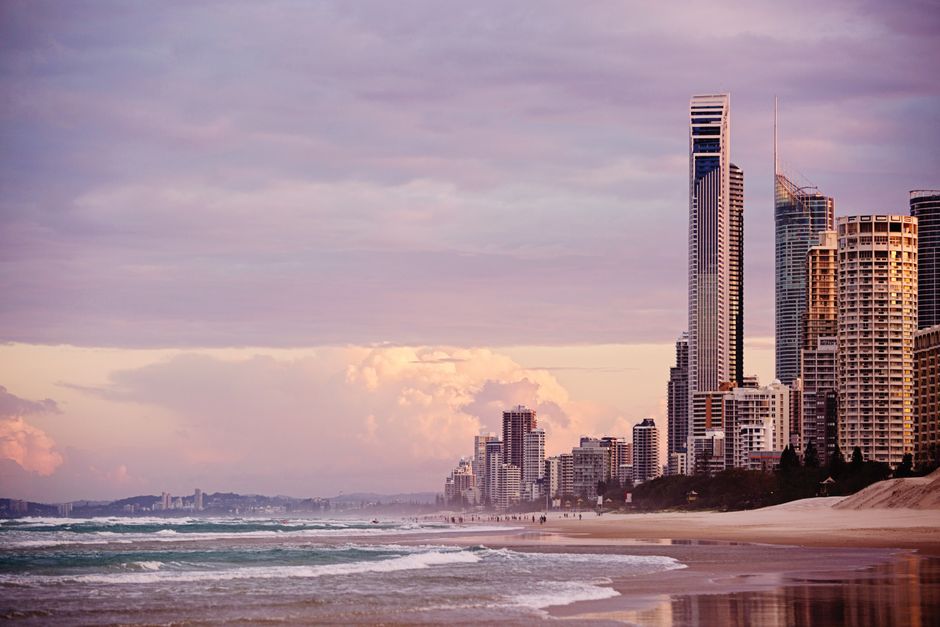
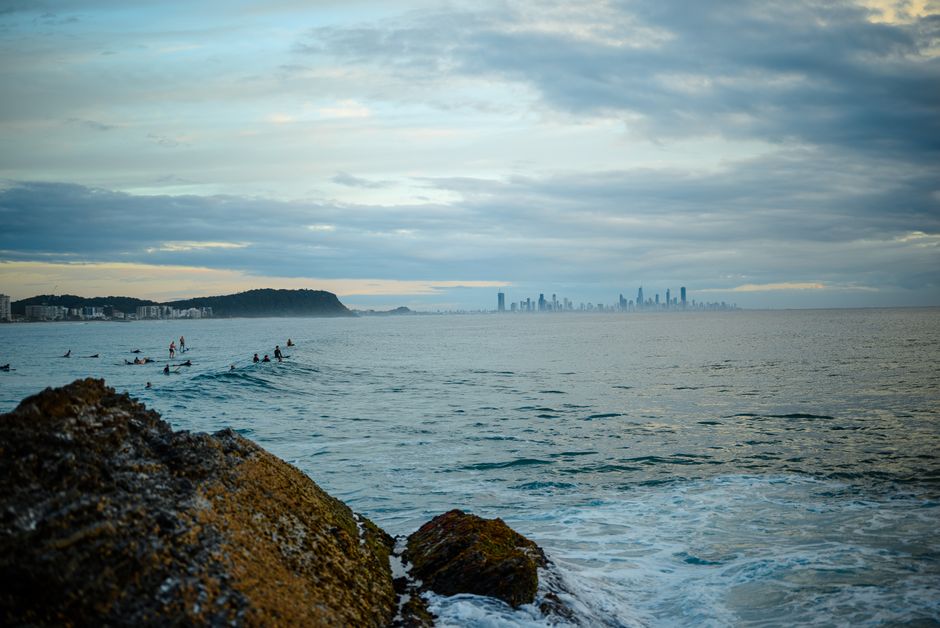
From Kurrawa Beach to the Lamington trails, Gold Coast has become an unlikely laboratory for understanding how physical movement can dial down the stress response.
From Kurrawa Beach to the Lamington trails, Gold Coast has become an unlikely laboratory for understanding how physical movement can dial down the stress response.
Thirty minutes of moderate exercise can reduce anxiety symptoms by up to 48 percent, according to research published in the British Journal of Sports Medicine — and mental health clinicians on the Gold Coast say they are seeing that number play out in waiting rooms and on walking tracks alike. With Australia recording its hottest winter temperatures in more than a century and cost-of-living pressure still grinding at household budgets, anxiety presentations at GP clinics across Broadbeach and Robina have climbed noticeably through the first half of 2026.
The timing matters. July traditionally brings a dip in outdoor activity as Gold Coasters swap beach sessions for couch hours, yet mental health professionals argue this is precisely when movement becomes most critical. The cold logic of neurochemistry does not observe the school holidays.
The mechanism is not mysterious. Aerobic exercise triggers a cascade of neurochemical changes: norepinephrine rises, cortisol regulation improves, and the brain releases endorphins and brain-derived neurotrophic factor, a protein linked to mood stability and cognitive resilience. A 2024 meta-analysis from Deakin University found that even two sessions per week of activity reaching 65 percent of maximum heart rate produced measurable reductions in generalised anxiety disorder symptoms over an eight-week period.
Surf Life Saving clubs scattered along the Gold Coast shoreline have quietly become community mental health assets, even if nobody calls them that. At Kurrawa Surf Life Saving Club on Cnr Gold Coast Highway and Thornton Street, Broadbeach, the nippers program runs on Saturday mornings between April and October. Parents who initially turned up to watch their children have, over several seasons, started joining training swims themselves. The social scaffolding — showing up somewhere regularly, being recognised, having a role — compounds the physiological benefit of the exercise itself. Membership for a non-competing adult supporter sits at around $95 per season.
Inland, the Lamington National Park trail network in the Hinterland offers a different texture of the same medicine. The Border Track — a 23-kilometre route connecting Green Mountains to Binna Burra — draws hikers from Nerang and Canungra who describe the combination of sustained cardiovascular effort and natural environment as more restorative than anything they do closer to the coast. Research into what Scandinavian scientists label "attention restoration theory" supports this: natural, non-urban settings allow the prefrontal cortex to recover from the sustained directed attention that modern work demands, reducing the cognitive load that amplifies anxiety.
Gold Coast's geography is its own prescription pad, but access is not equal. The city's population of approximately 620,000 sprawls from Coolangatta in the south to Coomera in the north, and residents in the western growth corridors around Pimpama and Ormeau are significantly further from beach and Hinterland entry points than those in Burleigh Heads or Mermaid Beach. Gold Coast City Council's Active and Healthy program currently operates free group fitness sessions at 14 parks across the local government area, including Coombabah Lakelands Conservation Area and Evandale Park in Southport — a practical entry point for residents who cannot afford gym memberships averaging $65 to $85 per month at mainstream chains.
Consistency, not intensity, is what the research consistently rewards. A 2023 review in JAMA Psychiatry found that three sessions of 30 to 45 minutes per week at moderate intensity outperformed single long sessions in sustaining anxiety reduction across a 12-week follow-up. Walking qualifies. Volleyball at Kurrawa Beach qualifies. A Tuesday morning nippers swim qualifies.
If you have been putting off starting, the practical advice from the evidence is blunt: lower the bar. A 20-minute walk along the Spit in Main Beach costs nothing and meets the minimum threshold shown to shift anxiety markers in short-term studies. The Gold Coast Wellbeing Index, released by the City in March 2026, flagged psychological distress as the single fastest-growing concern among 25-to-44-year-old residents surveyed. That age group, the data suggests, is already living here, surrounded by one of the most exercise-friendly environments in the country. The gap between available and utilised is largely a habit problem, not a geography problem.
Anyone experiencing persistent anxiety symptoms should speak with a GP or contact Beyond Blue on 1300 22 4636 before adjusting any treatment plan.
Spread the word
About this article
Published by The Daily Gold Coast
Daily brief
Free, in your inbox before 7am. Weekdays.
More from Gold Coast