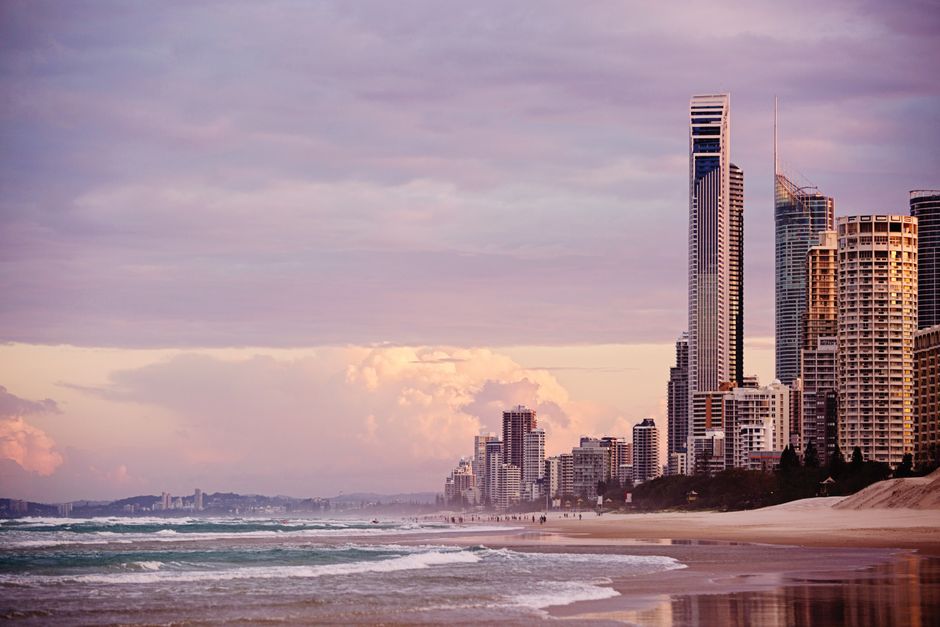
The Gold Coast is sitting on a paradox this July. Sydneysiders just endured their hottest June since 1859, but here on the M1 corridor, a mild subtropical winter is luring residents back outdoors — and straight into a wellness industry offering wildly uneven advice. What the science actually supports for this specific climate looks quite different from the Instagram-optimised routines flooding local feeds.
The timing matters. July is historically the peak month for Gold Coast gym sign-ups, driven by mid-year resolution energy and school holiday disruptions that push people to reassess their routines. Planet Fitness Southport reported a 22 per cent membership spike in July 2025, and industry observers expect similar figures this year. The question is what those new members actually do once they get through the door.
Work with the weather, not against it
The Gold Coast's July average sits around 22 degrees Celsius with humidity typically between 55 and 65 per cent — comfortable enough for sustained outdoor effort, but still warm enough to accelerate dehydration faster than exercisers from cooler climates expect. Bond University's sport science faculty has pointed to sweat-rate studies showing recreational athletes in South East Queensland can lose between 0.8 and 1.4 litres per hour at moderate intensity, even in winter. That means the standard "eight glasses a day" rule is effectively useless as a guide for anyone doing a Lamington National Park hike out of Canungra or a morning beach run along the Broadwater Parklands strip.
Surf Life Saving Queensland clubs across the coast — Kurrawa, Currumbin, and Burleigh Heads among them — have long structured their nippers and patrol training around early-morning sessions that exploit the 6am to 8am window. That timing isn't nostalgic ritual; it reflects real physiology. Core body temperature and cortisol levels align to support aerobic performance in those hours, and UV index readings on the Gold Coast in July, while lower than summer, still crack category three by 10am. Getting outdoor cardio done before then is straightforward harm reduction, not fitness-bro mythology.
Strength training indoors remains equally relevant. The evidence base for two resistance sessions per week in reducing all-cause mortality risk is now substantial — a 2023 British Journal of Sports Medicine meta-analysis across 1.5 million participants put the mortality benefit at roughly 17 per cent for that minimum dose. Local facilities like F45 Training Varsity Lakes and the Robina Town Centre Fitness First offer structured programming that meets that threshold without requiring a personal trainer budget. Casual gym visits at those venues run approximately $25 to $30 per session as of mid-2026, though seven-day trial passes are freely available at both.
Community infrastructure is the underrated variable
Individual discipline matters less than most wellness content admits. Environment and social infrastructure matter more. The Kurrawa Beach volleyball courts at Broadbeach — free, floodlit three nights a week through winter — function as an accidental public health asset. Participation in social sport has a measurable effect on psychological wellbeing independent of the physical activity itself; the Happiness Research Institute in Copenhagen put the mental health benefit of social sport at roughly double that of solo gym training in equivalent time.
The Gold Coast City Council's Active and Healthy program currently lists 47 free community fitness classes running across parks from Coomera to Coolangatta through July, including tai chi at Pizzey Park in Miami on Tuesday and Thursday mornings. These are not consolation prizes for people who cannot afford gyms. For adults over 50 particularly, the evidence for low-impact group exercise in managing chronic disease risk is stronger than for almost any pharmaceutical intervention at equivalent cost — which, in this case, is zero.
The practical upshot for July: prioritise the early morning window for outdoor activity, treat hydration targets as a function of your specific session intensity rather than a generic daily number, and lean on the city's genuinely excellent free infrastructure before spending money on supplements or boutique programs. Anyone managing an existing health condition should check in with a GP or allied health professional at one of the bulk-billing clinics along the Gold Coast Highway before significantly ramping up training load. The coast has the conditions. The science is clear enough. The gap is mostly between knowing and doing.