The Science Behind Mindfulness: What It Actually Does to the Brain
As mindfulness classes and meditation groups spread across the Gold Coast, neuroscientists are uncovering the tangible brain changes behind the wellness trend.
As mindfulness classes and meditation groups spread across the Gold Coast, neuroscientists are uncovering the tangible brain changes behind the wellness trend.
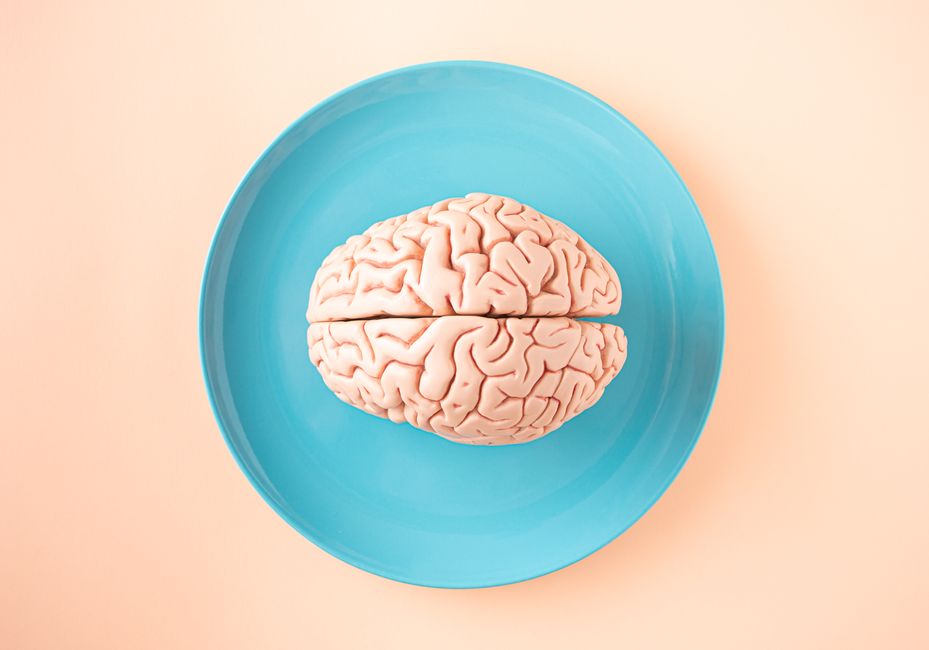
New research from Brisbane’s Queensland Brain Institute is shedding light on how mindfulness meditation alters the brain—evidence that’s sparking fresh interest among Gold Coast wellness advocates and health providers. Scans of long-term meditators are revealing structural and functional changes in brain regions linked to attention, emotional regulation and stress, giving scientific backbone to a movement that’s spreading well beyond yoga studios and into mainstream clinics on the Coast.
Mental health support workers in Surfers Paradise say referrals to meditation-based stress programs have doubled since the start of 2025. Wellness professionals and everyday residents alike are looking for answers beyond traditional therapies as stress-related illnesses continue to rise. Gold Coast Health’s 2026 Wellbeing Report showed that 40% of adults in the region now experience weekly symptoms of anxiety or low mood—up from 32% five years ago. With recent surges in adolescent mental health concerns and a challenging winter for local families, the search for preventive and accessible strategies feels more urgent than ever.
Mornings at Broadbeach’s Mindful Waves Meditation Centre are busier than ever, with classes routinely booking out a week ahead. Regulars—many in their 30s and 40s—are drawn by claims that mindfulness does more than just foster calm. Instructors point to magnetic resonance imaging (MRI) studies showing that eight weeks of guided meditation can increase grey matter density in the hippocampus, according to research published by Harvard Medical School. That’s the brain’s learning and memory hub. Dr. Louisa Tran, a Gold Coast GP and mindfulness teacher, says these insights are encouraging more GPs to prescribe mindfulness training for patients with anxiety and chronic stress. The Gold Coast branch of Smiling Mind, a non-profit mindfulness program running drop-in sessions in Palm Beach and free school workshops in Tugun, reports a surge in attendance from local teens since April.
Apart from structural changes, the science now demonstrates that meditators develop a thicker prefrontal cortex—the region involved in decision-making and impulse control. Functional MRI data from the University of Sydney, referenced in last year's Australian Psychological Society review, also shows mindfulness can quiet the amygdala, the brain’s fear centre, leading to measurable falls in stress hormone levels after as little as ten minutes of practice. Neighbourhood wellness studios such as Currumbin Sanctuary’s weekly group (fees from $15 per class; first trial free) are using these findings in their outreach materials and class explanations. Nationwide, the Meditation Association of Australia estimates the number of Australians practicing mindfulness regularly topped 2.6 million in 2025—a 55% jump since 2021.
For Gold Coasters curious about trying evidence-backed mindfulness, options abound. Mindful Waves offers a six-week introductory course—starting at $120 for six group sessions—in Mermaid Beach. Smiling Mind’s Gold Coast arm posts free beginner guided meditations online for those unable to attend in person. Local libraries, including Southport Library on Lawson Street, have also added mindfulness and meditation resources in print and digital format since late 2025. Gold Coast University Hospital’s Healthy Mind Initiative is recruiting volunteers (ages 18-65) for a new brain-imaging study this spring, aimed at mapping cognitive changes in first-time meditators from the region.
Experts cautioned that while mindfulness can support mental wellbeing, it is not a replacement for clinical care in cases of severe anxiety or depression. Residents should speak to their GP before making significant changes to their health routine. For most, however, the growing pile of brain scans and statistics offers reassurance. Science is not just catching up with ancient wisdom—it’s mapping local paths to calmer minds, one neuron at a time.
Spread the word
About this article
Published by The Daily Gold Coast
Daily brief
Free, in your inbox before 7am. Weekdays.
More from Gold Coast