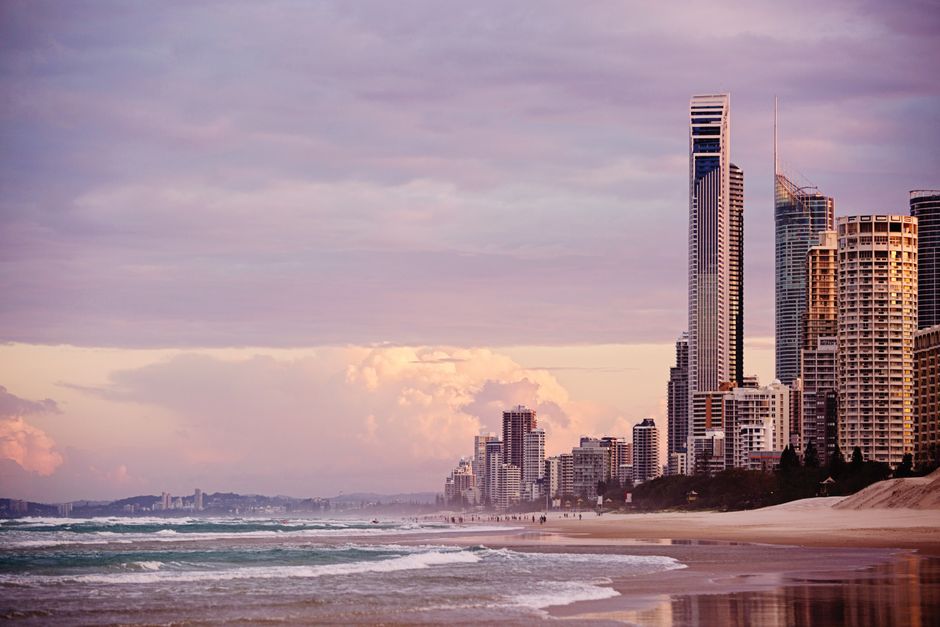
The Gold Coast's reputation for sunshine and surf has long masked a quieter reality: mental health challenges affect one in five Australians in any given year, and this city of 650,000 people is no exception. What's shifting in July 2026, though, is how locals are responding — not by waiting for help to arrive, but by building it themselves, suburb by suburb.
The timing matters. Winter on the Gold Coast tends to concentrate social isolation. Shorter days and cooler temperatures push people indoors, and the tourist crowds that energise the strip between Surfers Paradise and Coolangatta thin out considerably. Against that backdrop, community-based mental health initiatives have stepped into the gap with unusual urgency this year, driven partly by a post-pandemic recognition that formal clinical services alone cannot carry the load.
Where the Work Is Happening
At Kurrawa Surf Life Saving Club on Broadbeach, the Saturday morning mental health walks have quietly grown from a dozen participants in March to more than 60 regulars by late June. The walks, run in partnership with Mental Health Professionals Network Queensland, cost nothing to attend and pair a 5-kilometre beach circuit with a debrief session facilitated by a registered psychologist. Participants range in age from teenagers to retirees. The Esplanade foreshore path between Kurrawa and North Burleigh has become the de facto route.
Further inland, Reconnect Hinterland — a not-for-profit incorporated in 2024 and based out of the Canungra Valley — runs guided mental wellness hikes through Lamington National Park every second Sunday. The program explicitly pairs physical exertion with structured peer conversation, drawing on evidence linking time in nature to reduced cortisol levels. A six-week participant package costs $120, with concession pricing available. Waitlists for the July cohort closed two weeks early.
The Gold Coast Primary Health Network, which coordinates mental health funding across the region, confirmed in its 2025–26 annual priorities document that it allocated $2.3 million toward community-based psychological services this financial year — a 17 per cent increase on the previous period. That money flows through organisations including headspace Southport, which operates out of 22 Scarborough Street and serves primarily 12-to-25-year-olds, and the EACH Community Mental Health hub on Ferry Road, Southport, which handles more complex adult presentations.
The Shift Toward Peer Support
Professionals working inside the system are watching the peer-led trend carefully. The SANE Australia Peer Ambassador program, which has two active Gold Coast volunteers as of this month, trains people with lived experience of mental illness to lead community conversations. The model is deliberately low-barrier — sessions happen in cafes and community halls, not clinics. A session at Burleigh Heads Community Centre in June drew 34 attendees, the largest crowd the local coordinator has recorded.
None of this replaces clinical care, and practitioners are quick to say so. The Gold Coast University Hospital mental health unit on Parklands Boulevard, Southport, handles acute presentations around the clock. Beyond The Blue's national support line — 1300 22 4636 — remains the recommended first call for anyone in crisis. GPs across the city can still issue a Mental Health Treatment Plan under Medicare, which provides up to 10 subsidised psychology sessions per calendar year.
What the community programs offer is something different: sustained, low-intensity connection during the long stretches between appointments. For people managing anxiety, grief, or chronic stress who don't meet the threshold for acute intervention, the Kurrawa walks and the Lamington hikes are filling a very specific gap.
For Gold Coast residents looking to engage, the starting points are practical. The Gold Coast Primary Health Network's website lists current community mental health programs updated monthly. Headspace Southport accepts walk-ins on Tuesday and Thursday mornings. And Reconnect Hinterland's August hiking cohort opens for registration on July 14. Anyone uncertain about where to start should speak first with their GP — local bulk-billing practices including the Varsity Lakes Medical Centre on Christine Avenue can make the initial referral straightforward.