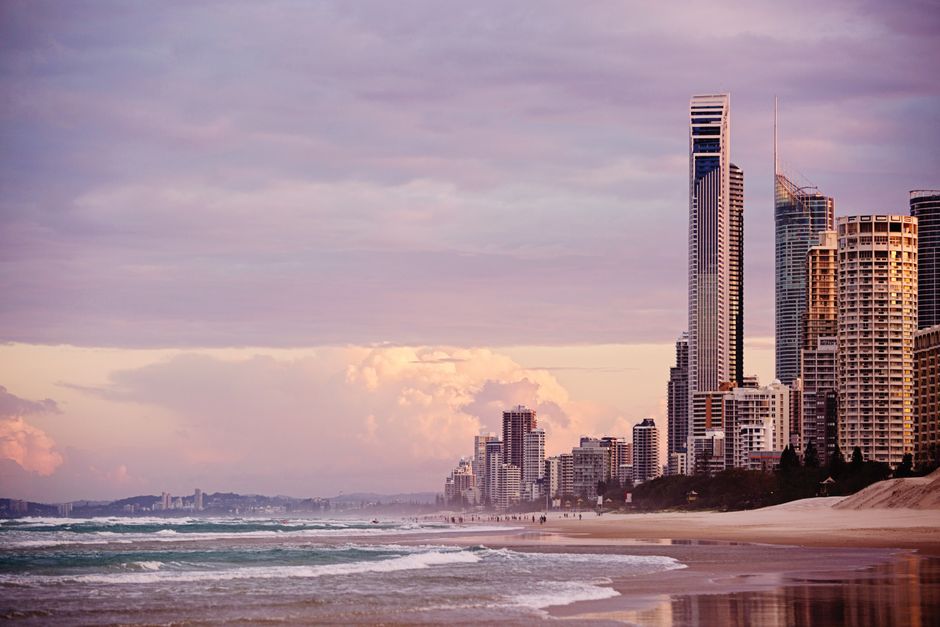
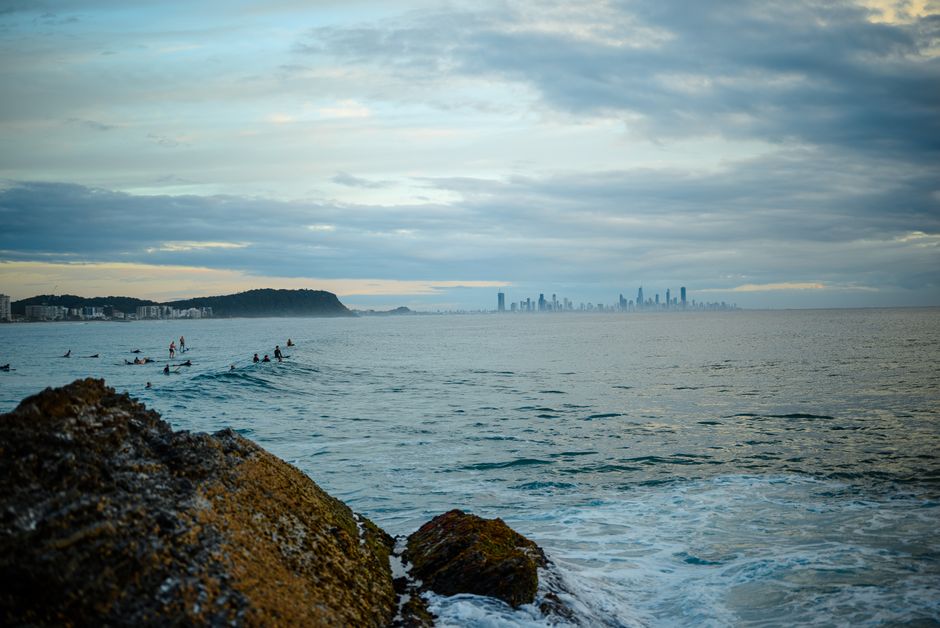
Loneliness is killing Australians. That's the blunt finding underpinning a 2025 Australian Institute of Health and Welfare report, which found one in four Australian adults reported feeling lonely at least some of the time — a figure that has barely budged despite a post-pandemic push to rebuild community life. On the Gold Coast, a city of 750,000 people whose entire brand is built around beaches and togetherness, the gap between image and reality is particularly sharp.
The timing matters. Mid-winter on the Gold Coast brings shorter days, cooler temperatures, and a significant drop-off in the casual beach encounters that many residents rely on — often without realising it — for their daily dose of human contact. After Sydney's record-breaking June heat scrambled routines across the eastern seaboard, health workers on the Coast say they're seeing the downstream effects: disrupted sleep, frayed routines, and people pulling inward precisely when they need connection most.
Why the Gold Coast Is Not as Connected as It Looks
Surf Life Saving clubs along the Gold Coast's 57-kilometre coastline have quietly become some of the most effective mental health infrastructure in the region, even if nobody calls them that. Kurrawa Surf Life Saving Club at Broadbeach has around 1,400 active members, running nippers programs on Sunday mornings that draw families from Mermaid Beach to Burleigh Heads. Volunteers there will tell you — off the record — that the social rituals around early-morning patrols do as much for adult wellbeing as any formal program.
But surf clubs don't reach everyone. Recent arrivals to estates in Coomera or Pimpama — some of the fastest-growing suburbs in Queensland — often find themselves 30 minutes from the beach with few established community anchors nearby. Gold Coast City Council's Community Connections Program, funded through the 2025-26 budget at $2.1 million, targets exactly these growth corridors, running drop-in sessions from libraries in Ormeau and Upper Coomera. Attendance has risen 34 per cent since February 2026, according to council figures — which says something about demand.
In the Hinterland, the picture is different again. Lamington National Park draws weekend hikers from across the city, and informal groups like the Gold Coast Hinterland Hiking Collective — which lists more than 3,800 members on its community page — have become accidental social glue for people who moved to Tamborine Mountain or Canungra seeking quiet and found, somewhat to their surprise, that they also needed company. The research supports what these hikers instinctively know: a 2023 meta-analysis published in Nature Mental Health found group physical activity in natural environments reduced loneliness scores by an average of 28 per cent over eight weeks.
What the Evidence Actually Says — and What to Do With It
The science on loneliness has hardened considerably in the past decade. Former US Surgeon General Vivek Murthy described social disconnection as a public health crisis in his 2023 advisory, citing data showing lonely individuals face a 29 per cent higher risk of heart disease and a 32 per cent higher risk of stroke. The mechanism isn't mysterious: chronic loneliness elevates cortisol, disrupts sleep, and drives inflammatory responses that compound over years.
The practical prescription is less romantic than the research language suggests. It's not about finding a tribe or transforming your social life — it's about lowering the threshold for contact. Mental health practitioners at Gold Coast University Hospital's community psychology outreach recommend starting with what they call "low-stakes repeated exposure": the same café on Tedder Avenue in Main Beach every Saturday morning, a regular lane at Southport Aquatic Centre, or a weekly volunteer shift with Meals on Wheels Gold Coast, which currently has intake open for new volunteers across the Northern Gold Coast region.
Kurrawa Beach volleyball courts on Surf Parade run free community games every Wednesday afternoon from 4pm — no booking, no gear required. The cost of entry is showing up. For those whose anxiety makes even that feel like a stretch, Beyond Blue's online community forums and the Gold Coast-based Connect2Care peer support network offer a lower-barrier starting point while working toward in-person contact.
The research is consistent: the dose of connection needed to move the needle on loneliness is smaller than most people assume. Two or three meaningful interactions a week — not grand social events, just regular, low-pressure contact with the same people over time — is enough to shift the markers. The Gold Coast has the infrastructure. The harder part is deciding to use it. If you are struggling with loneliness or mental health, speak with your GP or contact Lifeline on 13 11 14.