How to Eat Well on a Tight Budget: Local Tips for Gold Coast Residents
With grocery bills still biting and winter produce at its peak, Coast locals are finding smarter ways to fill their plates without emptying their wallets.
With grocery bills still biting and winter produce at its peak, Coast locals are finding smarter ways to fill their plates without emptying their wallets.
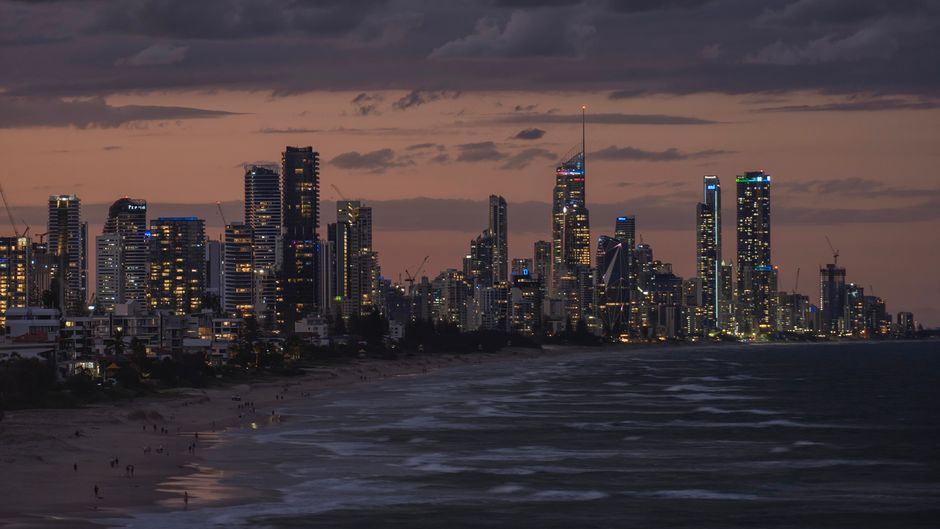
Fresh food in Queensland's southeast is expensive — but it doesn't have to be ruinous. As household budgets remain stretched heading into the second half of 2026, Gold Coast nutritionists and community food programs are pointing residents toward practical, locally grounded strategies that can cut a weekly grocery bill by $40 or more without sacrificing nutritional quality.
The timing matters. July sits squarely in the middle of Queensland's cool-season produce window, when leafy greens, brassicas, and root vegetables are at their cheapest and most abundant. Farmers who supply the Carrara Markets on Gooding Drive are currently offloading winter crops — kale bunches at $2.50, broccoli heads for under $2, and sweet potatoes at roughly $1.80 per kilogram — prices that supermarket shelves won't match. The Saturday morning market opens at 6 a.m. and the best deals are usually gone by 8:30, vendors there will tell you.
Broadbeach's Chinatown precinct along Albert Avenue is one of the most underused grocery resources on the southern Gold Coast. The cluster of Asian grocery stores there consistently undercuts the Coles and Woolworths on nearby Oracle Boulevard for staples like tofu, dried legumes, rice noodles, and frozen edamame — often by 30 to 50 percent. A 500-gram block of firm tofu runs about $1.80 at several of these stores; the equivalent branded product at the big chains regularly sits above $3.50.
Further north, the Nerang Fruit & Vegetable Market on Price Street has built a quiet following among budget-conscious families in the M1 corridor suburbs. Regulars from Molendinar and Carrara make the drive specifically for bulk-buy deals on seasonal staples — three kilograms of oranges for $4, that sort of thing. Buying in bulk and then batch-cooking soups or stews is a strategy Gold Coast-based dietitian group Nutrition Gold Coast has promoted through its free community workshops, which run out of the Southport Community Centre on Nind Street each month.
OzHarvest Gold Coast, which operates from a depot in Molendinar, also runs a pay-as-you-feel REFETTORIO program and coordinates regular food rescue drop-offs at community hubs across Surfers Paradise and Coomera. Registering with OzHarvest's community arm takes less than ten minutes online and can provide supplementary access to rescued fresh produce that would otherwise go to landfill.
The Australian Bureau of Statistics reported in its March 2026 Household Expenditure data that food costs consumed 17.2 percent of weekly spending for low-to-middle income households nationally — the highest proportion recorded in eleven years. On the Gold Coast, where housing costs already consume an outsized share of take-home pay for renters in suburbs like Southport and Labrador, that grocery pressure lands harder than the national average suggests.
Protein is where budgets typically collapse. Chicken thighs — bone-in, skin-on — remain the most cost-efficient animal protein available locally, regularly priced between $5.50 and $7 per kilogram at the Nerang IGA and comparable independent butchers in Helensvale. Canned fish, particularly Australian-caught sardines and mackerel, delivers comparable omega-3 content to fresh salmon at a fraction of the cost; a 425-gram tin of mackerel sits under $3 at most Coast supermarkets.
Legumes are the other lever. A 500-gram bag of dried red lentils — roughly $2.20 at most Gold Coast grocers — yields around six servings of protein-dense food once cooked, making the per-serve cost less than 40 cents. Paired with seasonal winter vegetables from Carrara or Nerang markets, a lentil soup or dhal feeds a family of four for under $8 total.
The practical path forward for Coast residents is to combine these sources deliberately: hit the weekend farmers' markets early for produce, supplement with the Chinatown precinct for dry goods and protein, and register with OzHarvest if the budget is genuinely tight. Nutrition Gold Coast's next free community workshop is scheduled for July 19 at the Southport Community Centre — registration is free and open to all residents. For personalised dietary advice specific to individual health needs, a Gold Coast GP or accredited practising dietitian remains the right first call.
Spread the word
About this article
Published by The Daily Gold Coast
Daily brief
Free, in your inbox before 7am. Weekdays.
More from Gold Coast