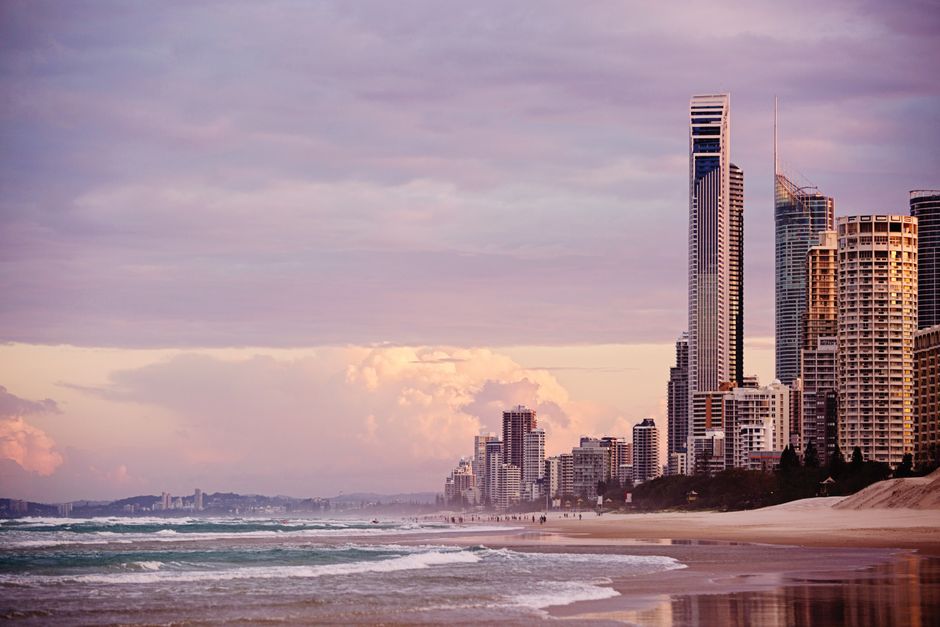
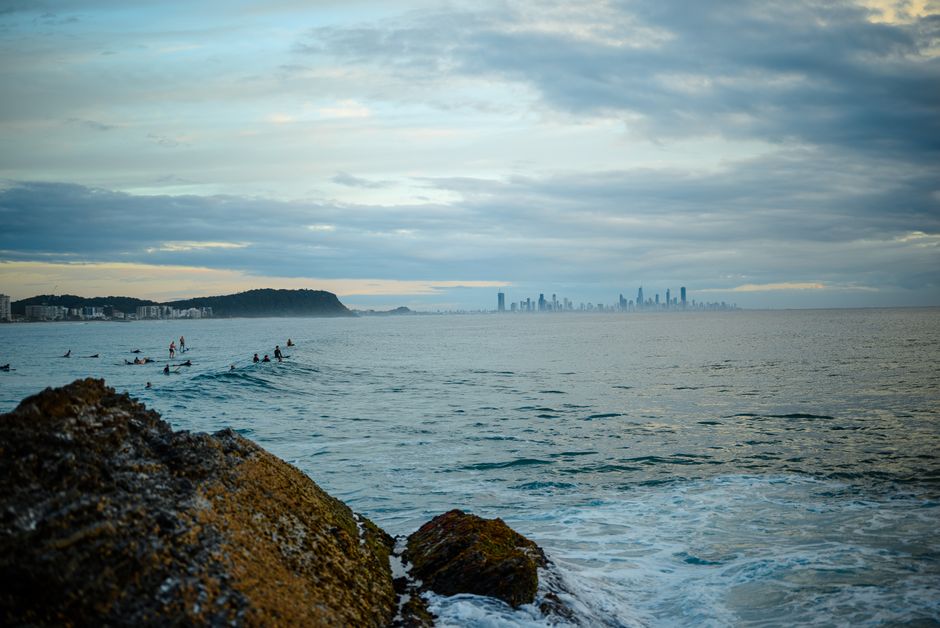
The Gold Coast is grappling with a post-pandemic surge in loneliness, with recent figures from the Australian Institute of Health and Welfare revealing that nearly one in four adults in Queensland now report feeling socially isolated at least once a week.
The issue is taking shape against the backdrop of another record-hot winter, which saw many residents opting for air conditioning over surf club gatherings, not only in Sydney but right here at home. Local health advocates warn that ongoing social withdrawal—the tail end of years of pandemic restrictions—could challenge the city’s sun-soaked, coastal identity. “Outsiders think life is one long beach party, but many Gold Coasters experience daily disconnection,” says Dr. Anna Webb, a psychologist based at Bundall. This matters now, as the links between loneliness and poor mental health—including increased risk of depression, anxiety and even cardiovascular disease—grow ever clearer in global research.
Local Lifelines from Kurrawa to the Hinterland
A number of organisations are working to combat isolation. The Kurrawa Surf Life Saving Club on Old Burleigh Road, famous for its Sunday morning walks and volunteer patrols, has stepped up its member outreach. Club director Sean O’Rourke said the club has seen a 30 percent rise in new adult members since launching coffee-and-connection meetups in March. "We’re not just about ocean safety. Sometimes, people come for the waves and stay for the company," he said.
Further inland, the Lamington National Park Care Network has started fortnightly guided hikes that pair Gold Coasters from varied backgrounds. Program coordinator Meera Tran says the group has been particularly popular among people who moved to the region during the property boom, seeking not just scenery but community. Tickets for these walks are $10, with concessions available, and always end with a shared coffee at Canungra’s Outpost Café.
The Numbers Behind the Connection
Statistics paint a mixed picture. The AIHW’s February 2026 report shows that in Queensland, 51% of people aged 18-34 report at least occasional chronic loneliness. For older adults (55+), the number is lower at 28%, but the health impact is marked: those with sustained social isolation are 32% more likely to report anxiety symptoms. Locally, Griffith University’s School of Medicine surveyed 540 Gold Coast residents last year and found one-third had less than two close confidants. “That’s a risk factor on par with more famous health hazards,” notes chief researcher Dr. Dana Oliver.
Some programs are easing barriers to entry. The Gold Coast City Council subsidises regular neighbourhood meetups at Broadwater Parklands in Southport, where yoga, group dog walks, and Saturday food truck socials are free or gold coin entry. Details are on the council’s Connected Gold Coast community page.
For individual support, social prescription programs like the Bond Health Clinic’s Group Connect ($15 per session, with Medicare rebates for eligible referrals) offer structured, expert-led conversation and support, notably for those new to the city or adjusting after a major life change.
Feeling lonely is never just a personal failing—it’s often a symptom of bigger social shifts. With winter school holidays on now, locals seeking connection can try Kurrawa’s open-invite beach games on Saturday mornings (free for all ages), or join Wellness Walks at Binna Burra Lodge. Community workers recommend starting small: say hello to a neighbour on Chevron Island, or sign up for a group class at the Gold Coast Aquatic Centre in Southport. No matter where you begin, building one new social tie can be a powerful act of preventive medicine—right where you live.