Social Connection as Medicine: The Loneliness Epidemic
As isolation takes its toll on Gold Coast mental health, local wellness experts reveal why face-to-face connection might be our most powerful antidote to stress.
As isolation takes its toll on Gold Coast mental health, local wellness experts reveal why face-to-face connection might be our most powerful antidote to stress.
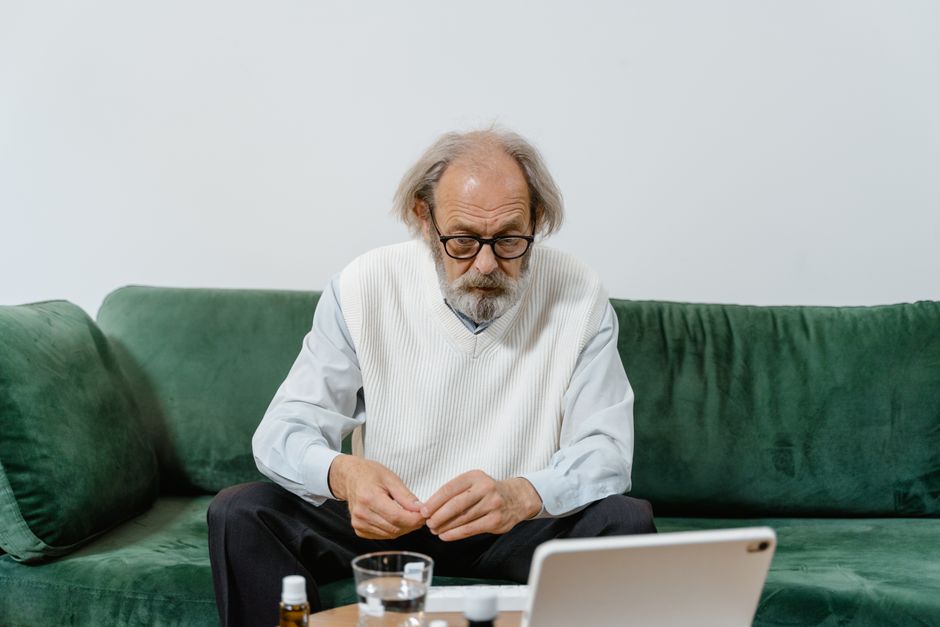
The Gold Coast's booming population masks an uncomfortable truth: loneliness is a growing public health crisis. Recent Australian research suggests one in four adults experience regular feelings of isolation, with stress-related conditions climbing steadily across Queensland. Yet amid the beachside sunshine and wellness culture of suburbs like Surfers Paradise and Broadbeach, a simple remedy remains underutilised: genuine human connection.
Dr Sarah Chen, a Gold Coast-based psychologist, notes that her practice has seen a 40 per cent increase in anxiety and depression cases over the past three years. "What's striking," she observes, "is how often the root cause traces back to social disconnection—not necessarily lack of friendships, but shallow engagement and screens replacing meaningful interaction."
The data aligns with lived experience across the region. Young professionals in Southport report feeling isolated despite living in a bustling commercial hub. Retirees relocating to the hinterland communities around Boomerang and Mudgeeraba struggle with leaving established networks. Parents juggling work and childcare in Broadbeach find traditional support structures fractured.
Yet solutions abound locally. Organisations like Lifeline Gold Coast offer peer support circles—free, weekly gatherings where connection happens organically. Surf Life Saving clubs along Kurrawa Beach function as unexpected mental health sanctuaries, where volunteer culture and shared purpose combat isolation. The Lamington National Park hinterland trails attract regular walking groups; physical activity paired with conversation triggers what researchers call the "dual benefit" of stress reduction.
Even neighbourhood initiatives matter. Farmers markets in Burleigh Heads, community gardens in Tallebudgera, and casual volleyball meets at Kurrawa create low-pressure social touchpoints. Research consistently shows these informal gatherings—where stakes feel low and conversation flows naturally—reduce cortisol levels and anxiety markers more effectively than many clinical interventions.
The wellness influencer community thriving across Gold Coast has amplified this message, though expert opinion remains mixed on whether online wellness spaces can replace physical presence. The consensus: digital connection supplements but cannot substitute in-person interaction.
If you're experiencing loneliness or stress, start small. Join a local club, attend a community event on the Esplanade, or commit to one weekly face-to-face catch-up. Lifeline Gold Coast (1800 500 212) and local GP networks can provide tailored support and referrals.
The prescription is simple: show up, be present, and let connection do what pharmaceuticals cannot.
This article was compiled by AI and screened before publishing. See our editorial standards.
Spread the word
About this article
Published by The Daily Gold Coast
Daily brief
Free, in your inbox before 7am. Weekdays.
More from Gold Coast