Staying Hydrated on the Gold Coast: How Much and What to Drink in Our Subtropical Climate
As temperatures soar and humidity peaks, understanding your body's fluid needs is essential for anyone working, exercising or simply living in our region.
As temperatures soar and humidity peaks, understanding your body's fluid needs is essential for anyone working, exercising or simply living in our region.
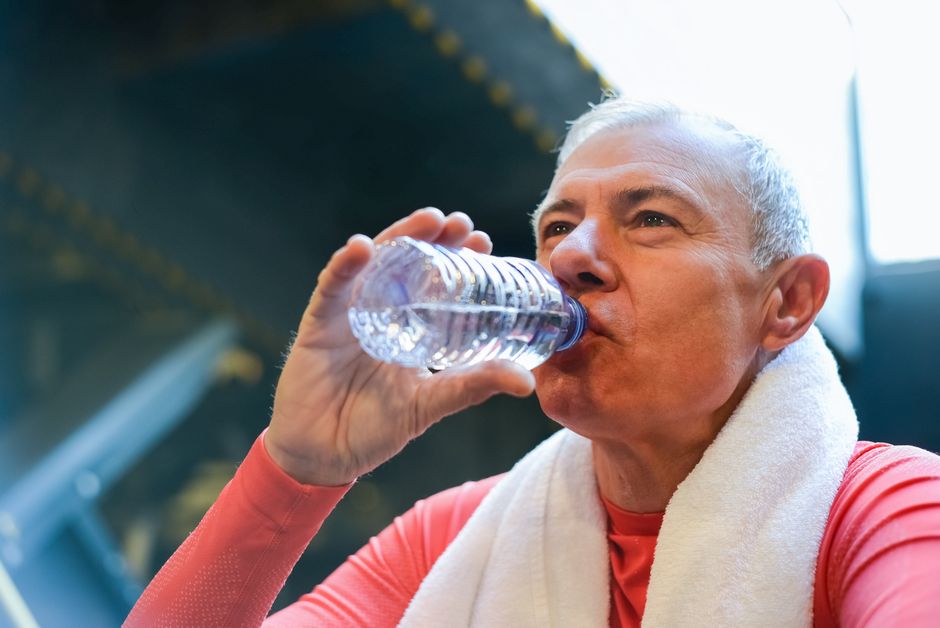
The Gold Coast's subtropical climate is a double-edged sword. While our year-round warmth and 300+ days of sunshine make outdoor activity irresistible—whether you're paddling out at Kurrawa Beach, hiking Lamington National Park, or playing volleyball along the foreshore—the heat and humidity demand serious attention to hydration.
The general guideline of eight glasses daily doesn't account for our local conditions. Nutritionists typically recommend 3.7 litres daily for men and 2.7 litres for women, but Gold Coast residents should adjust upward significantly. During our peak summer months (December to February), activity levels soar and sweat loss accelerates. A brisk morning walk along the Broadwater can easily trigger 500ml of fluid loss before 9am.
What you drink matters as much as how much. Water remains your foundation, but during extended outdoor sessions—say, a two-hour Hinterland trail run or competitive beach volleyball—plain water alone may leave you depleted. Sports drinks containing electrolytes (sodium, potassium, magnesium) help your body retain fluid and maintain performance. However, many commercial options contain excessive sugar. Local wellness advocates increasingly recommend coconut water as a lower-sugar alternative rich in natural electrolytes, available at most Coolangatta and Surfers Paradise cafés for around $6–8.
Timing is strategic. Rather than guzzling a litre at once, sip consistently throughout the day. Before exercise, drink 400–600ml two hours beforehand, then 200–300ml fifteen minutes before starting. During activity lasting over an hour, aim for 150–250ml every fifteen to twenty minutes. Post-exercise, replace roughly 150% of lost fluid weight over four hours—meaning if you've sweated 1kg, drink 1.5 litres gradually.
Monitor your urine colour. Pale yellow indicates adequate hydration; dark amber suggests you're falling behind. This simple self-check works better than rigid rules because individual sweat rates vary based on fitness, genetics, clothing and intensity.
Avoid over-relying on caffeinated drinks and alcohol, both of which increase fluid loss. While your morning flat white from a Southport café is fine, don't substitute it for water. Energy drinks marketed to local fitness influencers often contain excessive caffeine and sugar—read labels carefully.
If you're regularly exercising in our climate or spending extended time outdoors, consider consulting a sports nutritionist or GP to personalise your hydration strategy. Dehydration impairs performance, recovery and cognitive function—and on the Gold Coast, prevention is far easier than managing the consequences of heat illness.
This article was compiled by AI from the sources linked above and screened before publishing. See our editorial standards.
Spread the word
About this article
Published by The Daily Gold Coast
Daily brief
Free, in your inbox before 7am. Weekdays.
More from Gold Coast