Hydration in the local climate: how much and what to drink
As temperatures soar on the Gold Coast, understanding your fluid intake is crucial—here's what the experts say about staying properly hydrated in subtropical conditions.
As temperatures soar on the Gold Coast, understanding your fluid intake is crucial—here's what the experts say about staying properly hydrated in subtropical conditions.
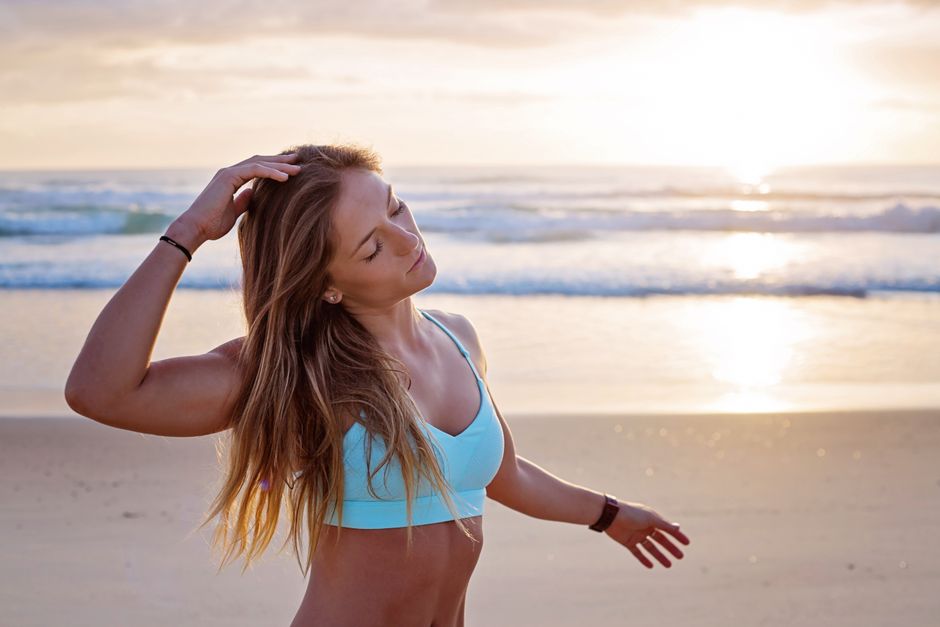
The Gold Coast's subtropical climate is glorious for beach culture and outdoor fitness, but it demands serious attention to hydration. With average summer temperatures hovering around 28°C and humidity levels regularly exceeding 70 per cent, locals lose fluids faster than many realise—whether they're tackling Lamington National Park trails or training at Kurrawa Beach for weekend volleyball tournaments.
The baseline recommendation of eight glasses daily is a myth, according to sports nutrition specialists. Instead, aim for roughly half your body weight in ounces daily in moderate climates, then add 16–24 ounces for every hour of exercise or outdoor activity. On the Gold Coast, where summer days regularly push beyond 30°C, that multiplier matters enormously.
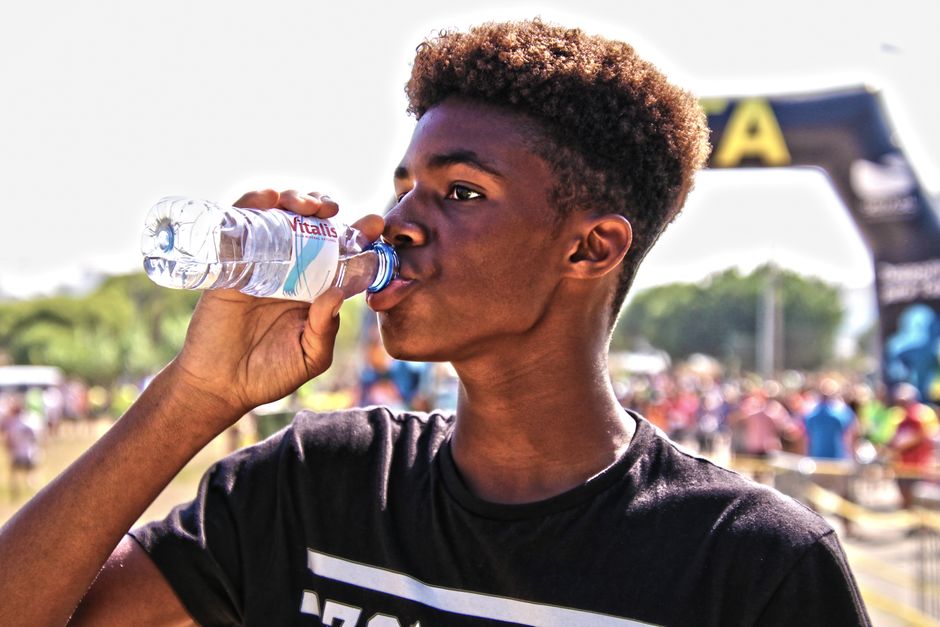
What you drink matters equally. Plain water remains the gold standard for most activities under 60 minutes. But for longer ventures—say, a hike through the subtropical rainforest or extended beach volleyball sessions—electrolyte-enhanced drinks become valuable. Sports drinks containing sodium, potassium, and carbohydrates help replace minerals lost through sweat and improve fluid retention. Local health food stores on The Esplanade in Surfers Paradise and around Broadbeach stock quality electrolyte powders and ready-made options ranging from $3 to $8 per serving.
Coconut water, widely available at juice bars throughout Southport and the Hinterland villages, offers a natural alternative with potassium and lower sugar than many commercial sports drinks. A 500ml bottle typically costs $6–8 but provides genuine nutritional value for recovery hydration.
Timing is equally critical. Rather than drinking large quantities once, sip consistently throughout the day and during activity. Aim for 200–300ml every 15–20 minutes during exercise; wait until you're thirsty and you're already dehydrated. The Gold Coast's relentless sun means your body's thirst mechanism lags behind actual fluid loss.
Common mistakes include relying on caffeinated drinks—coffee and soft drinks have mild diuretic effects—or assuming that because you're in water, hydration happens automatically. It doesn't. Swimmers and surfers at Main Beach and Palm Beach lose fluids steadily despite being immersed.
Individual needs vary based on fitness level, acclimatisation, and metabolism. If you're new to the Gold Coast or planning intensive outdoor activity, start conservatively and observe your body's response. Dark urine suggests dehydration; pale yellow indicates adequate intake.
For personalised hydration strategies, consult a sports dietitian through your local GP or Gold Coast sports medicine clinics. Your body's survival in our climate depends on it.
This article was compiled by AI from the sources linked above and screened before publishing. See our editorial standards.
Spread the word
About this article
Published by The Daily Gold Coast
Daily brief
Free, in your inbox before 7am. Weekdays.
More from Gold Coast