The Science Behind Mindfulness: What It Actually Does to the Brain
Gold Coast researchers and neuroscientists reveal how meditation physically reshapes your brain—and why a few minutes daily can transform your mental health.
Gold Coast researchers and neuroscientists reveal how meditation physically reshapes your brain—and why a few minutes daily can transform your mental health.
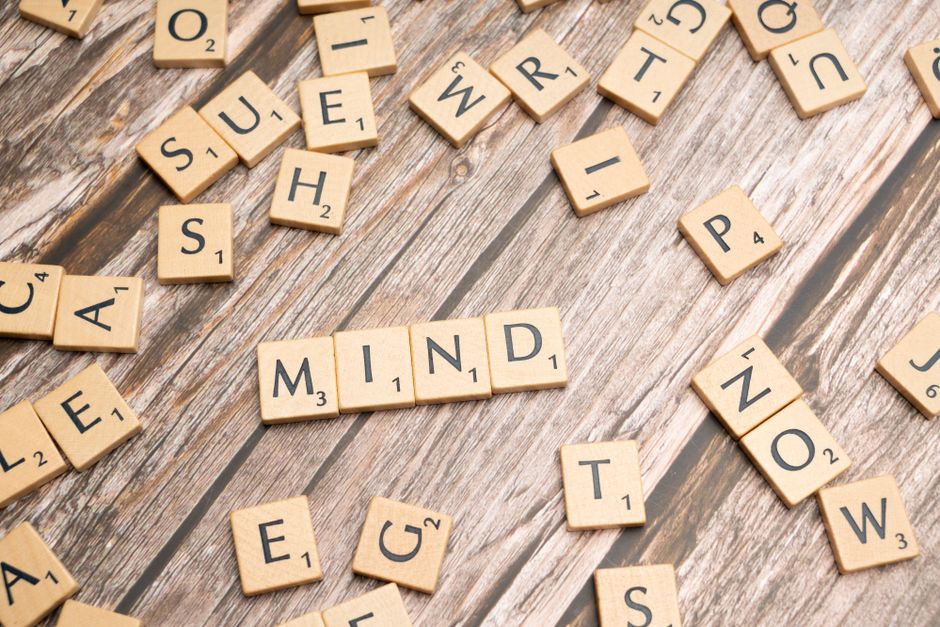
When surf lifesavers at Kurrawa Beach talk about finding their 'zone' before a big swell, or hikers on the Lamington National Park trails describe that meditative state while walking, they're describing something neuroscience has only recently begun to map with precision. Mindfulness isn't just a wellness buzzword—it's a measurable change happening inside your skull.
Over the past decade, functional MRI studies have shown that regular meditation practice actually thickens the prefrontal cortex, the brain region responsible for decision-making, emotional regulation, and self-awareness. For Gold Coast residents juggling work, family, and the constant stimulus of beach culture, this matters. A 2023 meta-analysis published in *JAMA Psychiatry* found that mindfulness-based interventions reduced anxiety and depression symptoms with an effect size comparable to pharmaceutical treatments—without the side effects.
The mechanism is elegant. When you meditate, you're essentially training your amygdala—the brain's alarm system—to dial down its reactivity. Neuroimaging shows a decrease in grey matter density in this region after just eight weeks of consistent practice. Meanwhile, the insula, which processes bodily sensations and emotional awareness, becomes more active and better connected to other brain networks. You're not imagining that you feel calmer; your brain is literally rewiring itself.
Local wellness studios across Surfers Paradise and Broadbeach have capitalised on this science. A single class typically costs between $20–$35, with monthly memberships ranging from $80–$150. But even free options work: Gold Coast's growing network of outdoor meditation groups, particularly those meeting at parks along the Nerang River precinct, demonstrate that you don't need expensive equipment.
What research emphasises is consistency over duration. Ten minutes daily produces measurable changes within four weeks. Fifteen to twenty minutes accelerates results. Brain scans show increased connectivity between the default mode network—responsible for self-referential thinking and rumination—and regions associated with present-moment awareness. Essentially, mindfulness quiets the mental chatter that keeps you stuck in stress cycles.
For athletes in our community, from volleyball players at Kurrawa to trail runners tackling the Hinterland, mindfulness offers a competitive edge. Enhanced interoception (awareness of internal states) improves injury prevention and recovery. For everyone else, the benefit is simpler: a more resilient, flexible brain better equipped to handle life's pressures.
The science is settled. Your brain responds to meditation the way muscles respond to exercise. The only question left is: when will you start?
This article was compiled by AI from the sources linked above and screened before publishing. See our editorial standards.
Spread the word
About this article
Published by The Daily Gold Coast
Daily brief
Free, in your inbox before 7am. Weekdays.
More from Gold Coast