Screen Time and Sleep: What the Research Actually Shows
As winter approaches, Gold Coast wellness experts separate myth from science on how phones and devices really affect our rest.
As winter approaches, Gold Coast wellness experts separate myth from science on how phones and devices really affect our rest.
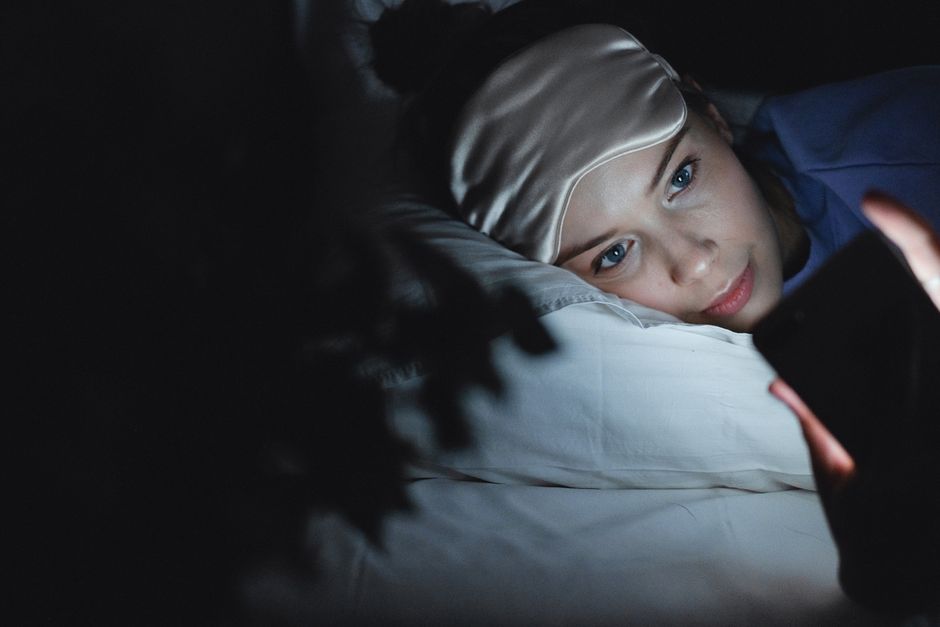
The story is familiar: blue light from your phone keeps you awake. Doom-scroll before bed and you'll toss until 3 a.m. It's become wellness gospel on the Gold Coast, from Surfers Paradise to the Hinterland villages where digital detox retreats promise screen-free serenity. But what does the actual research show?
The blue light hypothesis—that device screens suppress melatonin production—has been largely overstated. Studies published in recent years suggest the effect is real but modest, and depends heavily on individual sensitivity, timing, and brightness levels. The bigger culprit? The *behavioural* impact of screens: scrolling through social media keeps your brain cognitively engaged rather than winding down, which is where most sleep disruption originates.
"The device itself isn't the enemy," explains the distinction many sleep researchers now make. A dimmed screen reading an e-book at 9 p.m. behaves very differently from bright TikTok scrolling at 10:45 p.m. The content, the brightness, and your engagement level all matter.
For Gold Coast residents juggling beach culture with modern work demands—whether you're based in Broadbeach office parks or working remotely from Tallebudgera—the practical message is clearer than before. Avoid *stimulating* screen use in the 60 to 90 minutes before bed. A reasonable wind-down might include dimming your device, using night-mode settings, and avoiding content designed to trigger emotional responses. That doesn't necessarily mean all screens after sunset.
Local wellness practitioners around Mount Tamborine and Currumbin increasingly frame it this way: the ritual matters more than the device. A structured evening routine—whether that involves a device or a book—signals to your body that sleep is approaching. Runners training for the Surf Coast Marathon or regular swimmers at Kurrawa Beach who maintain consistent sleep schedules often report better rest, regardless of light exposure.
The gold standard remains unchanged: consistent sleep times, a cool dark bedroom (particularly valuable during Gold Coast humidity), and genuine wind-down time. For those serious about sleep quality, the research suggests tracking your own patterns. Some people genuinely do struggle with screen-induced wakefulness; others sleep soundly regardless. Your experience matters more than the headline.
If sleep troubles persist despite adjusting screen habits, consulting a local GP or sleep specialist—many operate through Southport medical centres and the Gold Coast University Hospital—remains the evidence-based next step. Sleep health is deeply individual, and one-size-fits-all advice, however scientifically grounded, rarely solves chronic issues.
This article was compiled by AI from the sources linked above and screened before publishing. See our editorial standards.
Spread the word
About this article
Published by The Daily Gold Coast
Daily brief
Free, in your inbox before 7am. Weekdays.
More from Gold Coast