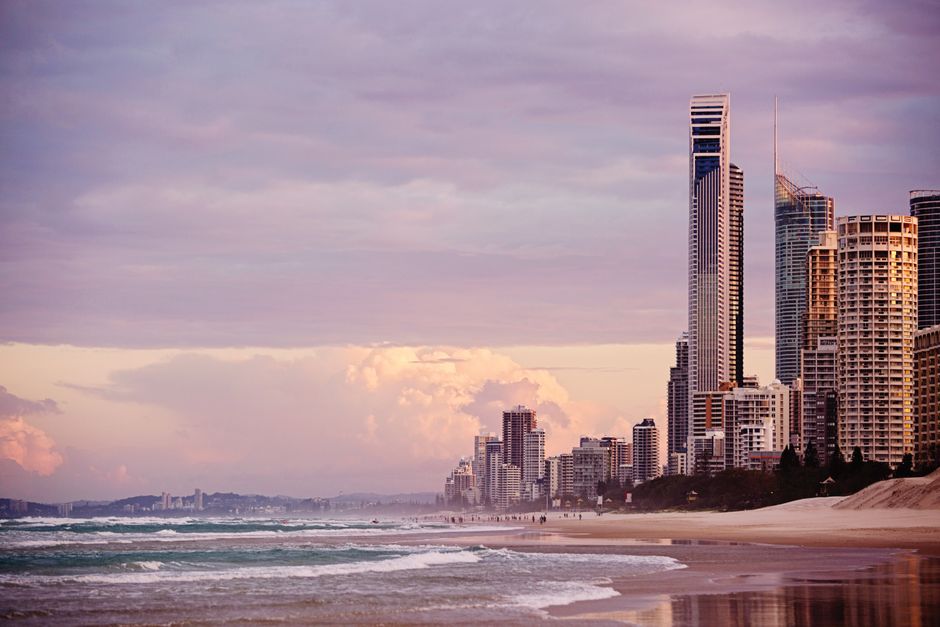
Gold Coast startups surge: AI ventures and coworking hubs transform region.
From Southport co-working hubs to Burleigh-based AI ventures, the Gold Coast's startup ecosystem is moving faster in mid-2026 than at any point in its history.
From Southport co-working hubs to Burleigh-based AI ventures, the Gold Coast's startup ecosystem is moving faster in mid-2026 than at any point in its history.
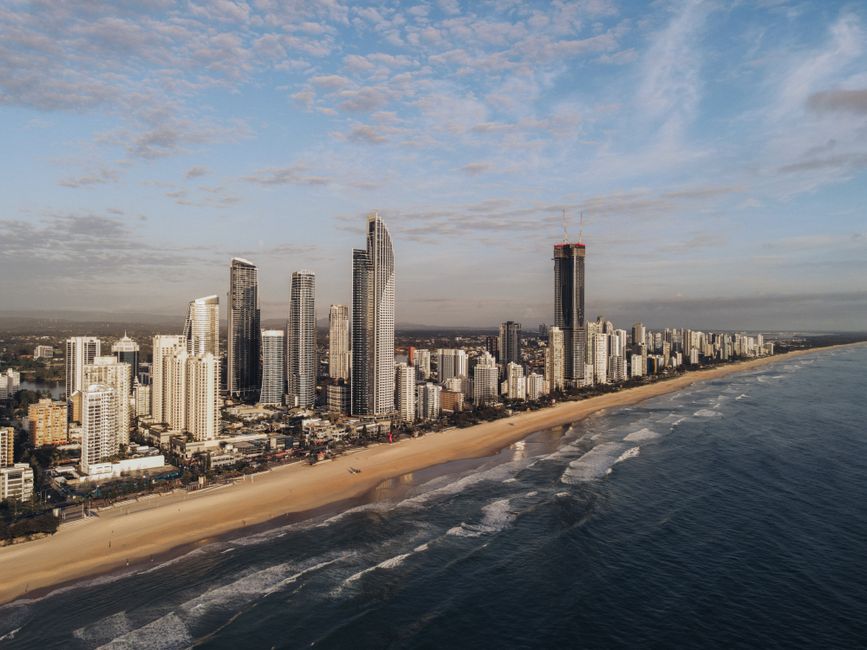
Gold Coast's technology sector is entering the second half of 2026 with genuine momentum. Startup applications to the Gold Coast City Council's Digital Economy Accelerator program closed last Friday, drawing a record 214 submissions — up 37 percent on the same round in 2025. Council officers are due to announce the 12 shortlisted ventures by July 18.
The timing matters. Australia's broader tech employment market has cooled since the layoff waves of 2023 and 2024, but Queensland is holding. Jobs Queensland data released in May put the state's digital-sector vacancy rate at 4.2 percent, higher than the national average of 3.6 percent. Gold Coast accounts for roughly a fifth of those Queensland listings, a share that would have seemed ambitious even three years ago.
Two precincts are driving most of the noise. Southport's Chinatown district, anchored around Mossman Street, has quietly become the city's densest cluster of early-stage tech tenants. Precinct manager group YOD Studios confirmed this week that occupancy in its three floors of co-working space hit 97 percent in June — the first time the building has been effectively full since it opened in 2021. Monthly hot-desk memberships there run $380, with dedicated desks starting at $650, both figures up about 12 percent year-on-year.
Down the coast, Burleigh Heads is doing something different. The 6,000-square-metre Burleigh Innovation Hub on West Burleigh Road — opened by state and federal co-investment in October 2024 — is housing 28 resident companies right now, seven of which are working on AI-adjacent products. Two are building compliance tools targeted at financial services firms, a niche that has picked up sharply since ASIC tightened its automated-advice guidance in March. Hub management says five of those 28 companies are in active fundraising conversations with Sydney and Singapore-based seed funds, with term sheets expected before the August school holidays.
The broader browser and device hardware space is also getting local attention. A small Robina-based team operating under the name Keyframe Systems is in late prototype with a programmable peripheral aimed at hybrid-meeting workflows, competing in a category that larger offshore players entered aggressively earlier this year. The founding team — three engineers who met at Griffith University's Nathan campus — are bootstrapped and targeting a Q4 crowdfunding campaign on the Australian platform Birchal. They have not disclosed a funding target.
Startup Muster's 2025 annual report, the most recent available, counted 640 active tech startups across the Gold Coast local government area — a 22 percent increase from 2023. Median founding-team age was 34. Nearly 60 percent of founders surveyed cited lifestyle factors, specifically proximity to beaches and lower commercial rents compared to Sydney's CBD, as a primary reason for choosing the Gold Coast over a capital city. Commercial rents in Southport average $420 per square metre annually against $1,100-plus in Sydney's inner ring.
The EV and clean-tech thread running through national tech conversation is present here too. Two Gold Coast-based logistics companies — both operating fleets servicing the M1 corridor between Coomera and Tugun — have confirmed they are piloting electric light commercial vehicles this quarter, prompted partly by Queensland's Zero Emission Vehicle rebate, which offers up to $3,000 on eligible commercial purchases until December 31.
For founders and job-seekers watching this space, the most immediate calendar anchor is the Gold Coast Tech Hub's monthly meetup on July 16 at the Precinct building on Scarborough Street, Southport. Registration opened Monday and seats — capped at 120 — were more than half-filled within 24 hours of the link going live. The agenda includes a pitch panel, a session on navigating the federal government's new R&D Tax Incentive threshold changes that took effect July 1, and a discussion on whether the city's talent pipeline from Bond University and Griffith can keep pace with the accelerating demand. If the accelerator applications and occupancy figures mean anything, that last question is the most important one the Gold Coast's tech community needs to answer before year's end.
Spread the word
About this article
Published by The Daily Gold Coast
Daily brief
Free, in your inbox before 7am. Weekdays.
More from Gold Coast