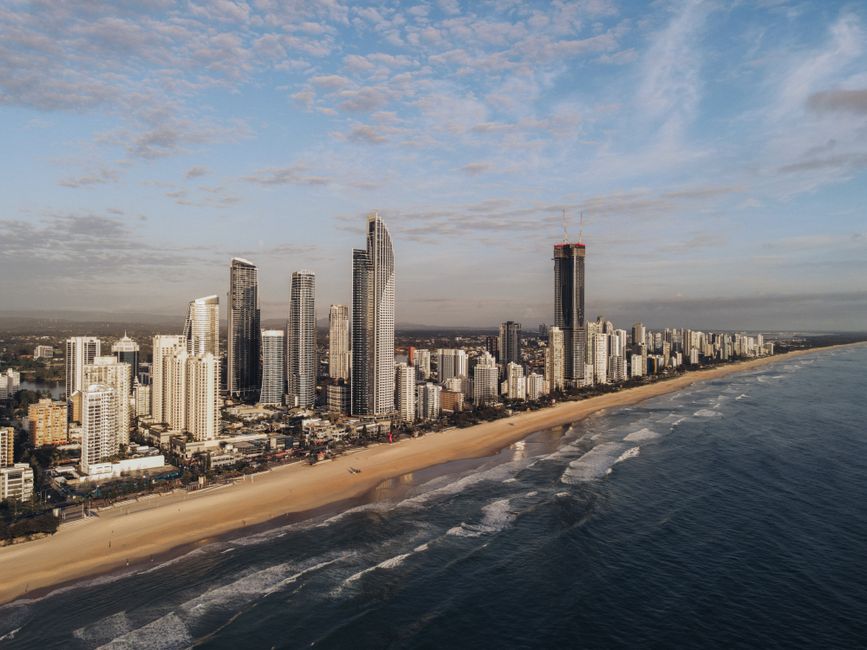
Gold Coast's startup scene is entering its most structured funding cycle to date. At least seven early-stage companies based between Southport and Burleigh Heads have confirmed pre-Series A closes or imminent term sheets in the first half of 2026, according to deal filings and pitch documents reviewed by The Daily Gold Coast. The combined sought capital sits at roughly $34 million — modest by Sydney standards, but the highest single-period aggregate this city has recorded.
The timing is deliberate. Queensland's Department of State Development extended its Advance Queensland Industry Attraction Fund commitments through June 2028, giving founders a two-year window to leverage co-investment matching before the program resets. Missing that window means competing for discretionary state dollars against Brisbane, which still absorbs the lion's share of Queensland's innovation spend. Gold Coast founders know the clock is running.
Where the Capital Is Landing — and What Gets Built Next
Two precincts are absorbing most of the activity. The Advance Queensland Hub at Southport's Australia Fair complex has expanded its resident cohort to 41 startups this quarter, up from 28 in January 2025. Meanwhile, the Flexispace co-working corridor along Bundall Road has quietly become the city's de facto due-diligence row, with three Melbourne-based micro-VCs taking permanent hot-desk arrangements there since March.
Product roadmaps being shopped to investors skew heavily toward two verticals: construction technology — unsurprising given the $14 billion in infrastructure projects tied to the 2032 Brisbane Olympics supply chain — and health-adjacent AI tools aimed at the city's outsized over-55 demographic. One Robina-based team is building predictive maintenance software specifically for high-rise façade inspection, a niche carved out by the Gold Coast's dense coastal tower stock. Another group working out of the Griffith University Gold Coast campus is developing a voice-interface triage tool for community health clinics, targeting the 11 primary care centres across the northern suburbs corridor.
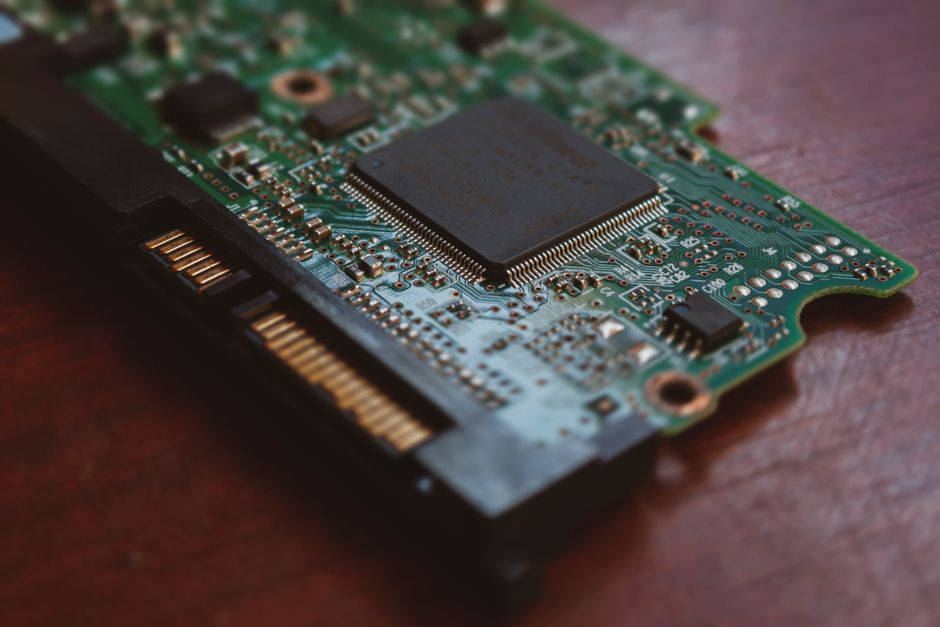
Hardware is making a quiet return, too. The renewed global interest in physical productivity devices — evidenced by the reception to compact input controllers like the Dune keypad that surfaced at international tech media outlets this week — has emboldened two local founders to pursue smart-building peripheral plays that they shelved during the 2023 funding drought. Both are targeting commercial pilot deployments at Pacific Fair Shopping Centre and the Star Gold Coast before the end of Q1 2027.
The Funding Gap That Still Has to Close
The enthusiasm has a ceiling. Queensland attracted $680 million in total venture investment during 2025, per figures from the Australian Investment Council — but Gold Coast captured less than 8 percent of that, with Brisbane continuing to dominate. That disparity is the single most-cited frustration among founders interviewed for this article.
The City of Gold Coast's own economic development arm, Gold Coast Economic Development, flagged in its May 2026 strategy update that attracting a tier-one venture firm to establish a permanent Gold Coast presence remains a priority action for the 2026-27 financial year. No firm has committed publicly. The closest the city has come is a Sydney-based seed fund that took a six-month residency at the Southport Hub earlier this year before returning north.
Founders tracking their own next steps are not waiting for institutional validation. The practical playbook circulating in the ecosystem right now centres on three moves: closing seed rounds before the Advance Queensland co-investment window narrows in mid-2027, locking commercial pilots with large local anchor tenants — the hospital network, the universities, the major retail precincts — to generate the revenue proof points that interstate VCs demand, and building enough product maturity to be acquisition-ready by 2028 if a growth round proves elusive. That last option is not defeatism; for several teams, a strategic acquisition by a listed proptech or healthtech player is the intended exit all along. The roadmap is set. Whether the capital density catches up to the ambition is the question the next 18 months will answer.