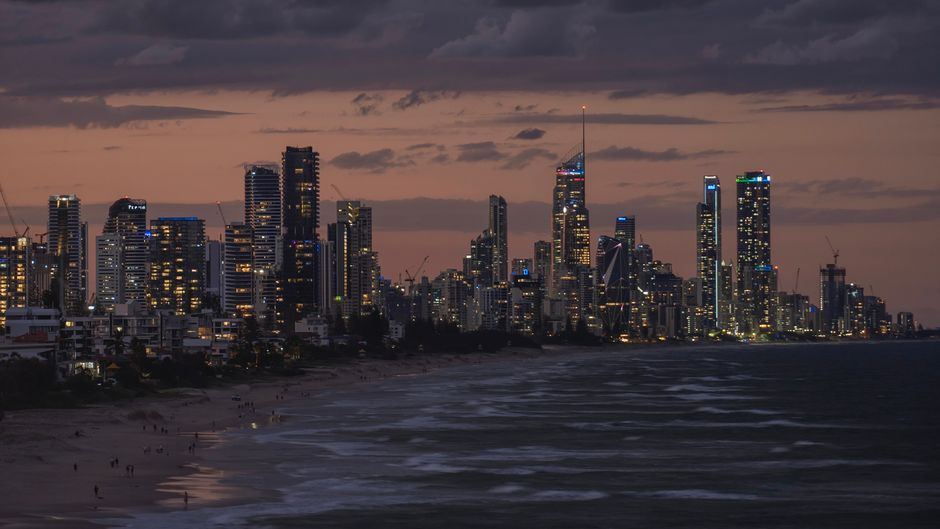
AI-powered facial recognition quietly went live at Pacific Fair Shopping Centre last month. Shop owners report fewer incidents of theft, but advocates are raising concerns about privacy and bias embedded in the technology—a tension that’s playing out up and down the Gold Coast as rapid digital transformation outpaces local oversight.
The issue comes to a head as city officials prepare for the July council meetings, where the Southport-based Digital Futures Taskforce will deliver its first public risk report. The explosive growth of generative AI tools, smart traffic lights trialled on Surfers Paradise Boulevard, and digital payment platforms in Burleigh Heads’ busy café precinct have created what the council describes as an “urgent need for guidelines and public consultation.”
Promise and Peril on the Coast
Startups clustered in Varsity Lakes Business Park are quick to tout the benefits. Medical data platform MedCoast reports it cut prescription processing times by 60% last quarter thanks to automated systems. The City’s mobility partner, Gold Coast Rapid, claims AI-backed routing shaved four minutes off its Route 700 peak-hour timetable on June 18. These are the kinds of wins the city hopes will attract talent and business investment—yet experts caution progress comes with trade-offs.
The Gold Coast Innovation Hub, based in Robina, released figures last week showing only 57% of small businesses surveyed felt “very confident” about safeguarding customer data when deploying new AI-driven services. Meanwhile, the Southport Community Legal Centre has taken on a record number of digital rights complaints in 2026, mostly related to biometric monitoring in private workplaces. "Glitches and algorithmic errors aren't just technical issues—they can mean harassment charges or lost shifts for locals," one case worker explained in a recent briefing.
Show Me the Numbers
City data offers a revealing snapshot: more than 1,300 Gold Coast businesses integrated some form of artificial intelligence since January, according to the Council's technology adoption tracker. Smart sensor kits now monitor pedestrian flow at nine city intersections. The average price for basic urban AI consulting—now a $3,000 line item, up 45% from last year, city procurement records show—threatens to leave smaller operators behind.
Local government has responded with a $700,000 digital upskilling fund for 2026, targeting workers in hospitality along Cavill Avenue and retail in Australia Fair Shopping Centre. But at the same time, Gold Coast Libraries recorded a 23% increase in residents seeking help with digital technologies and privacy basics since February.
Navigating the Next Steps
Public meetings on data ethics and algorithmic fairness are planned for later this month at the Gold Coast Convention and Exhibition Centre. In the meantime, experts advise businesses to conduct independent data privacy audits before bringing in new tech. Residents are urged to read the privacy statements posted by stores and digital service providers—a right that 41% of Gold Coasters admitted, in council surveys, they didn’t even know existed.
The Digital Futures Taskforce invites submissions on proposed AI and data transparency regulations through July 29 via the city’s online portal. As the Gold Coast pushes full-speed into the digital era, the promise of innovation is now inextricably linked to an urgent reckoning with risk, equity and ethics—right here, on our own beaches and streets.