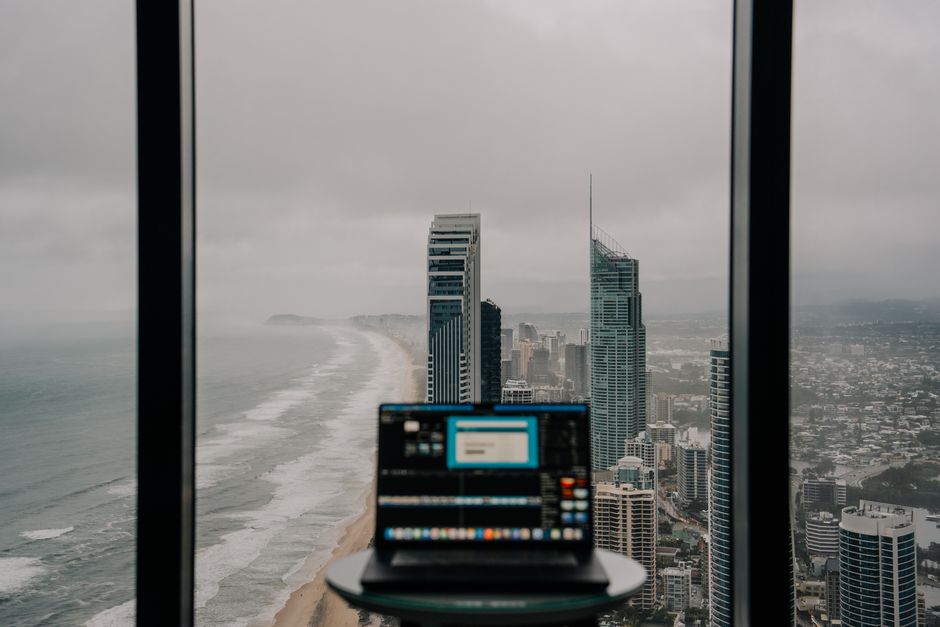
A Gold Coast cybersecurity educator is fielding three times as many calls from ordinary residents as she was eighteen months ago. The shift isn't coming from tech workers. It's retirees in Robina, tradespeople in Coomera, and small business owners along Cavill Avenue who have started realising that digital surveillance isn't a problem for politicians in far-off capitals — it's a problem for them.
The timing matters. A case reported internationally this week confirmed that a European politician investigating the misuse of NSO Group's Pegasus spyware had his own phone compromised by the same tool. The revelation landed like a cold bucket of water on anyone who assumed that software-level phone intrusion required a specific, high-value target. Security researchers say increasingly commodified spyware ecosystems mean the techniques filter down. What begins as a nation-state tool eventually shows up in stalkerware sold on dark-web forums for a few hundred dollars.
The Local Exposure Gap
Gold Coast sits in a peculiar position. The city's tech sector, clustered around Varsity Lakes and the Southport CBD, has grown fast enough to attract serious investment but not yet fast enough to build the kind of community-wide digital literacy that more established tech hubs take for granted. The Gold Coast Institute of TAFE runs a Certificate IV in Cyber Security at its Coomera campus, and enrolments jumped 41 percent between 2024 and 2025, according to figures the institution published in March. Still, that pipeline feeds employers, not the broader public.
The nonprofit Digital Safety Gold Coast, operating out of a shopfront on Ferry Road in Southport, ran 23 free community workshops last financial year. Demand outstripped capacity by the second quarter. The organisation's waiting list for one-on-one device audits — where a volunteer checks a resident's phone or laptop for stalkerware, dodgy app permissions and data-broker exposure — sat at roughly six weeks as of June 2026. A basic commercial equivalent from a private firm on Orchid Avenue would cost between $180 and $350 per session, putting it out of reach for many residents.
Meanwhile, the browser ecosystem is fracturing in ways that create new vulnerabilities even for careful users. Security researchers tracking the shift away from Chrome and Safari have noted that less-established browsers, however well-intentioned, sometimes have slower patch cycles for zero-day exploits. Residents downloading alternative browsers without checking the developer's update history are trading one privacy concern for a different security risk.
What Residents Can Actually Do This Week
The practical picture is not hopeless. Three actions matter most right now, according to guidance published by the Australian Cyber Security Centre in its April 2026 annual threat report. Enable lockdown mode on iPhones running iOS 17 or later — it cuts the attack surface significantly. Audit which apps have microphone and location access. And check whether your email address appears in breach databases; haveibeenpwned.com is free and takes ninety seconds.
For Gold Coast businesses specifically, the Queensland Government's Small Business Cyber Resilience Service — available through the Department of Tourism, Innovation and Sport office on Queen Street in Brisbane but accessible remotely — offers subsidised assessments worth up to $2,000 for eligible firms. The program reopens for applications on August 1, 2026.
The harder truth is infrastructure. Gold Coast's rapid apartment construction along the Broadbeach to Southport corridor has filled towers with residents sharing building-wide Wi-Fi networks that have not been audited since installation. A compromised router in a high-rise on Surfers Paradise Boulevard can expose dozens of households. Building managers generally have no legal obligation to conduct security reviews, and most don't.
Digital Safety Gold Coast is pushing the city council to require basic network security standards in new multi-dwelling developments. A submission went to council in May 2026. No decision has been made. Residents who want to weigh in on the proposal have until July 31 to lodge feedback through the council's public consultation portal at goldcoast.qld.gov.au.