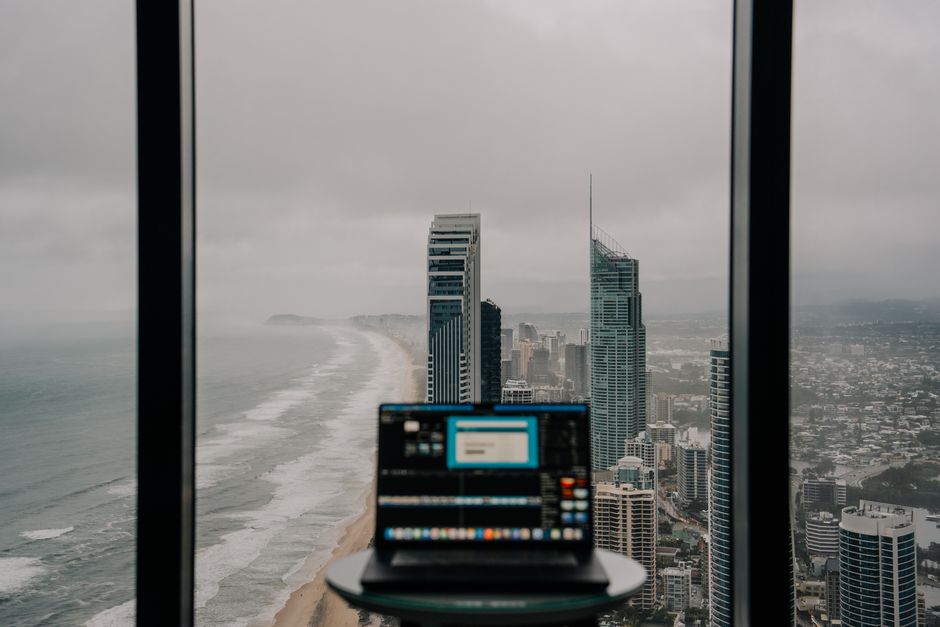
Tidal Intelligence lodged papers with the Australian Securities and Investments Commission on June 18, formally incorporating as a proprietary limited company and anchoring its headquarters at a co-working floor inside the Oracle Towers complex on the Surfers Paradise beachfront. The move ends 14 months of stealth-mode development and signals the company is ready to take on clients. Its core product, a privacy-first browser layer called TidalShield, is already in closed beta with 340 testers across Queensland.
The timing is deliberate. Global browser politics have rarely been messier. Google is fighting antitrust regulators in Washington over Chrome's dominance, and Apple's Safari has drawn fire from European competition authorities over its default-status rules on iPhone. Tidal is pitching TidalShield not as a replacement browser but as a hardened runtime environment that strips telemetry from any Chromium-based session — meaning it sits on top of whatever browser a company already uses. For corporate clients worried about data sovereignty, particularly after a wave of Pegasus-style mobile compromises rattled government agencies worldwide in 2025 and into this year, that pitch is landing.
Roots on the Gold Coast Tech Strip
The company was founded by three former Bond University computer science graduates who met during the university's 2022 cybersecurity accelerator cohort. Bond, on University Drive in Robina, has quietly produced a clutch of viable startups over the past four years, and Tidal is the most commercially advanced of the 2022 cohort by a considerable margin. The founders declined investor interview requests for this story, but their ASIC filings list paid-up capital of $2.3 million, sourced from a seed round closed in March.
The company also has a development partnership with the Gold Coast Advanced Manufacturing Hub at Southport, specifically with the Hub's software and systems testing lab, which it has been using to stress-test TidalShield's performance on enterprise-grade hardware. That relationship gives Tidal access to equipment and independent validation it could not afford to replicate alone at this stage.
Demand signals are real. The Queensland government's Department of Customer and Digital Services published data in May showing the state's cyber-incident reports rose 31 percent in the 12 months to March 2026 compared with the prior year. Small and medium businesses accounted for 58 percent of those reports. Tidal's pricing model — $19 per user per month at its entry tier, with enterprise contracts negotiated separately — is calibrated directly at that SMB gap, where dedicated cybersecurity teams are rare and off-the-shelf antivirus products are plainly not enough.
What Comes Next for Tidal
The closed beta wraps on July 31, after which the company says it will open a public waitlist. Interested local businesses can register through the company's site now, with priority access reportedly being offered to Gold Coast Business Chamber members as part of an informal community partnership the founders negotiated independently of any formal grant arrangement.
Tidal is also understood to be preparing a submission for the federal government's Industry Growth Program, which funds eligible tech SMBs up to $5 million in matched grants. Applications for the next round close September 12.
For anyone operating a business on the Gold Coast who handles client data — legal firms along Cavill Avenue's professional precinct, health clinics in Broadbeach, logistics operators near the Yatala Enterprise Area — TidalShield deserves a hard look before the public launch. The company is small, the product is unproven at scale, and plenty of well-funded rivals are circling the same market. But the timing, the local academic pedigree, and a pricing structure built for the region's business profile make Tidal Intelligence the Gold Coast tech name worth watching in July 2026.