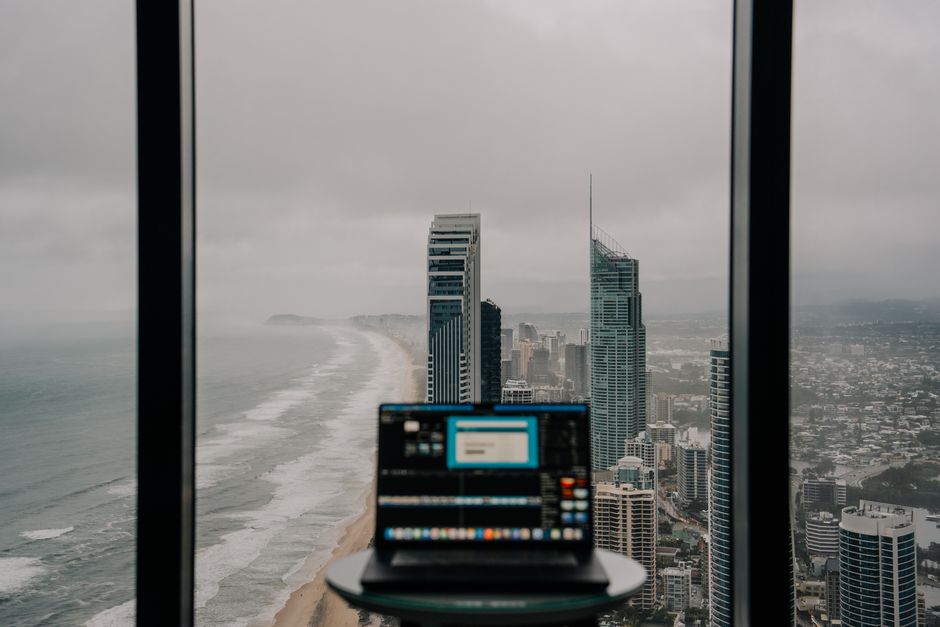
Gold Coast residents had their personal data exposed in 47 documented local data breaches in the 12 months to June 2026, according to figures compiled by the Australian Cyber Security Centre's Queensland regional office. That number is up 31 percent on the previous year. The city's rapid digital growth — a population pushing 700,000 and a tech sector that now employs roughly 14,000 people — has made it a target that cybercriminals are increasingly willing to work for.
The timing matters. Globally, the conversation around spyware and surveillance software has reached a new intensity after revelations that a European politician investigating NSO Group's Pegasus tool had his own phone compromised by that same software. Pegasus can extract messages, activate cameras and harvest location data without the phone's owner ever clicking a link. Security researchers at Citizen Lab confirmed the infection. The case has rattled privacy advocates across the Pacific, and local cybersecurity professionals say the technology is no longer confined to state-level actors targeting dissidents — commercial variants are filtering into domestic abuse situations and corporate espionage right here on the Gold Coast.
What's Actually Happening in Local Homes and Offices
The Gold Coast Domestic Violence Prevention Centre, based in Southport, reported a 22 percent increase in cases involving tech-facilitated abuse in the first quarter of 2026. Stalkerware — consumer spyware sold legally online for as little as $29.99 per month — was present on victim devices in about one in five of those cases. Staff there now run a weekly digital safety audit for clients, checking phones for unfamiliar apps, abnormal battery drain and suspicious background data usage.
Broadbeach-based cybersecurity firm CipherCoast, which operates out of the Oracle building on the Gold Coast Highway, has seen its residential client bookings double since January. The firm offers a $199 device health check that scans for commercial spyware, reviews app permissions and audits home Wi-Fi networks. Their technicians say the most common problem they find isn't sophisticated malware — it's residents running browsers and apps with permissions so broad that location data is effectively public. Chrome's permission architecture and the default settings on several popular Android launchers are frequent culprits.
Bond University's cybersecurity research group, operating out of the Robina campus, published a report in May 2026 finding that 68 percent of Gold Coast adults reuse passwords across at least three accounts. The same report noted that only 11 percent of surveyed residents used a hardware security key or passkey-based authentication — the two methods considered most resistant to phishing. Bond's researchers have been running free public workshops at Robina Town Centre on the first Saturday of each month since March, drawing between 40 and 90 attendees per session.
Steps Residents Can Take Starting This Weekend
The practical picture is not hopeless. The Australian Signals Directorate updated its Essential Eight framework in April 2026, and several of those recommendations translate directly to household use. Patch operating systems within 48 hours of updates dropping. Enable multi-factor authentication on email, banking and social media accounts. Review which apps have access to your microphone and location — on an iPhone, that's under Settings, Privacy and Security, and the list is usually longer than people expect.
The Queensland Police Service's Cybercrime Unit, which runs its Gold Coast operations from the Southport watch house precinct, recommends residents register devices with the Have I Been Pwned database and set up breach alerts. It's free. For anyone concerned about stalkerware specifically, the Safety Net Australia program offers confidential phone consultations at no cost — the number is 1800 015 188.
Browser choice has also become newly consequential. Security professionals at CipherCoast currently recommend Firefox with the uBlock Origin extension, or Brave, over Chrome for residents who handle sensitive personal or financial information at home. Both browsers strip more tracking by default than Chrome's current settings allow.
The Gold Coast's digital ambitions are real and worth protecting. But that protection starts with residents treating their phones and laptops with the same seriousness they'd give a front door lock — not something you think about once and forget.