Gold Coast's Clean Energy Startups Are Racing to Scale—Here's What's Happening Now
From Surfers Paradise to Southport, a wave of green tech founders is building solutions to decarbonise everything from logistics to hospitality.
From Surfers Paradise to Southport, a wave of green tech founders is building solutions to decarbonise everything from logistics to hospitality.
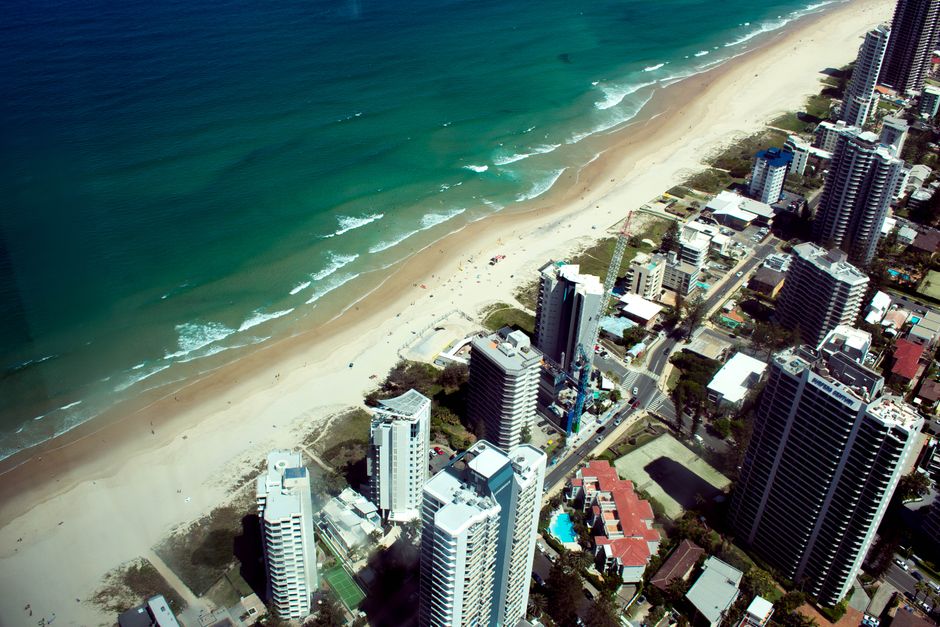
The Gold Coast's tech ecosystem has long punched above its weight. But in 2026, something distinctly green is taking root across the city's innovation hubs—and it's moving fast.
Walk through the startup spaces clustered around Southport's tech precinct and you'll notice the shift. Battery recycling systems, smart microgrid software, carbon accounting platforms for small businesses—these aren't Silicon Valley exports. They're being built here, by founders who understand the unique energy challenges of a subtropical, tourism-dependent city.
Several factors are driving the momentum. The Queensland government's renewable energy targets have created genuine demand for innovative solutions. Meanwhile, the Gold Coast's hospitality and leisure sector—sprawled across Surfers Paradise, Broadbeach and the hinterland—represents a massive captive market for energy efficiency tech. Hotels, theme parks, and residential complexes are actively seeking ways to cut power consumption and carbon footprints.
Local venture capital is responding. Over the past eighteen months, clean energy and climate tech startups in the region have secured approximately $42 million in funding, according to industry trackers. That's not Manhattan-scale, but it's substantial enough to signal serious investor confidence. Several Gold Coast founders are now in late-stage conversations with institutional backers, including firms focused on the Asia-Pacific climate transition.
The Infrastructure Hub in Broadbeach has emerged as an unofficial headquarters for this movement, hosting regular hackathons and investor showcases. The nearby Southport Innovation Precinct, anchored by education and research institutions, provides technical depth and talent pipelines that many founders rely on.
Challenges remain. Regulatory approval timelines for energy infrastructure projects can stretch beyond two years. Supply chain costs for hardware components have fallen, but remain higher than international benchmarks. And talent acquisition remains competitive—many engineers are still drawn to established tech companies or relocate to Sydney and Melbourne.
Still, the moment feels genuine. Conversations with local founders reveal a blend of pragmatism and idealism: they're building businesses that solve real problems while addressing the climate imperative their generation has inherited. The Gold Coast's geography—vulnerable to extreme weather, dependent on tourism, rich in sunshine—has created natural incentives to innovate.
By mid-2026, it's clear that clean energy tech isn't a fringe play on the Gold Coast anymore. It's becoming central to how the city imagines its economic future.
This article was compiled by AI from the sources linked above and screened before publishing. See our editorial standards.
Spread the word
About this article
Published by The Daily Gold Coast
Daily brief
Free, in your inbox before 7am. Weekdays.
More from Gold Coast