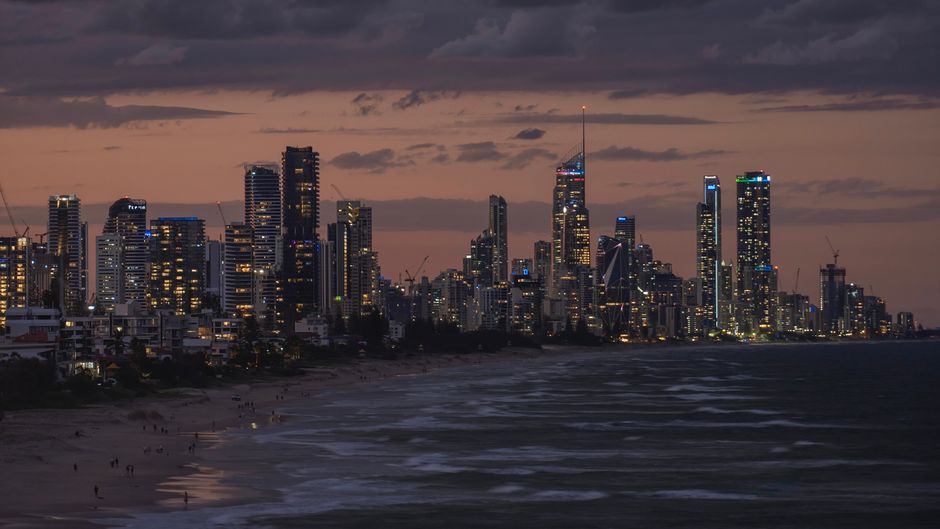
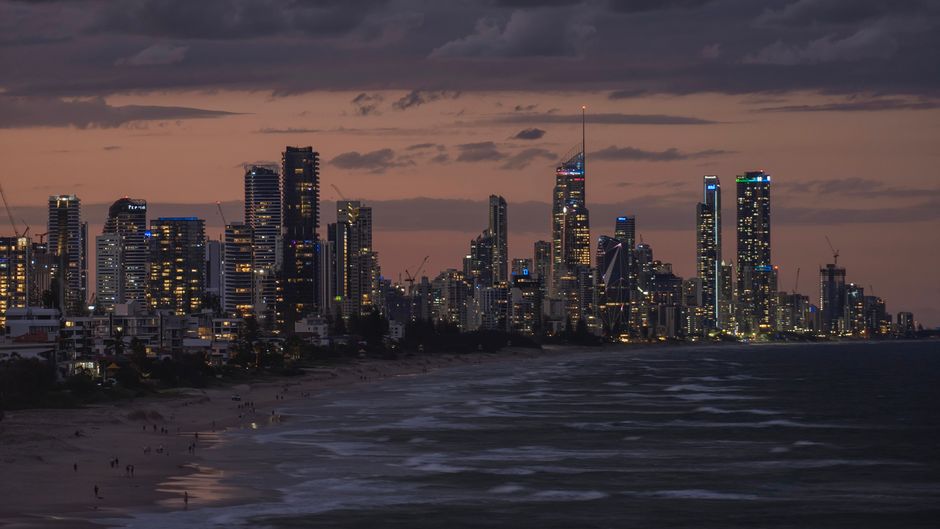
Gold Coast's Smart City Push Hits Inflection Point as Three Major Gov Tech Projects Move to Implementation
Local startups and established firms are winning contracts to digitise council services, traffic management and public safety—marking a pivotal moment for the region's $2.3 billion tech sector.
The Gold Coast's digital transformation is no longer theoretical. After two years of strategy documents and pilot programs, the city is entering a critical phase where smart city ambitions are becoming tangible infrastructure, and the local tech ecosystem is positioned to capture significant value.
Three major initiatives are driving momentum. City Council has greenlit a $47 million smart traffic management system spanning the M1 corridor from Nerang to Coolangatta, expected to go live by Q2 2027. Simultaneously, a $23 million digital services overhaul will migrate council operations onto cloud infrastructure, consolidating legacy systems that currently operate across seven different platforms. A third program, focused on public safety integration, is now in procurement phase with a $18 million budget.
"What's changed is urgency," says the local tech community, which has grown noticeably in infrastructure and confidence. The Southport Innovation District—anchored by offices along Davenport Street and the revamped Chevron Renaissance precinct—now houses over 180 registered tech and software companies, up from 89 in 2022. Median salaries for senior developers have risen to $165,000 annually, reflecting competitive poaching between firms pursuing council contracts.
Several local players are making moves. Broadbeach-based logistics software firm LogiStack recently won a subcontract on the traffic management tender, while Surfers Paradise cybersecurity outfit NetDefense has been shortlisted for the digital services procurement. Smaller firms are also positioning themselves: a new cohort of five startups graduated from the Gold Coast Innovation Hub's government technology accelerator in May, focusing on permit systems, community engagement platforms, and data analytics.
The market conditions are favourable. State government funding mechanisms now favour local vendors, and the council has committed to a "local-first" procurement policy for contracts under $2 million. Meanwhile, the broader Asia-Pacific demand for smart city solutions is pulling attention toward the Gold Coast as a reference site and testbed.
However, execution risk remains. Previous attempts at major digital transformation in Australian local government have stalled or overrun. The council's ability to manage vendor relationships, meet timelines, and actually deploy technology will determine whether this moment crystallises into sustained growth for the region's tech sector, or becomes another cycle of unfulfilled promises.
The next six months will be telling. Tenders close in August. By October, the identity of major contractors will be known—and with it, the contours of who benefits from Gold Coast's smartest transformation yet.
This article was compiled by AI from the sources linked above and screened before publishing. See our editorial standards.