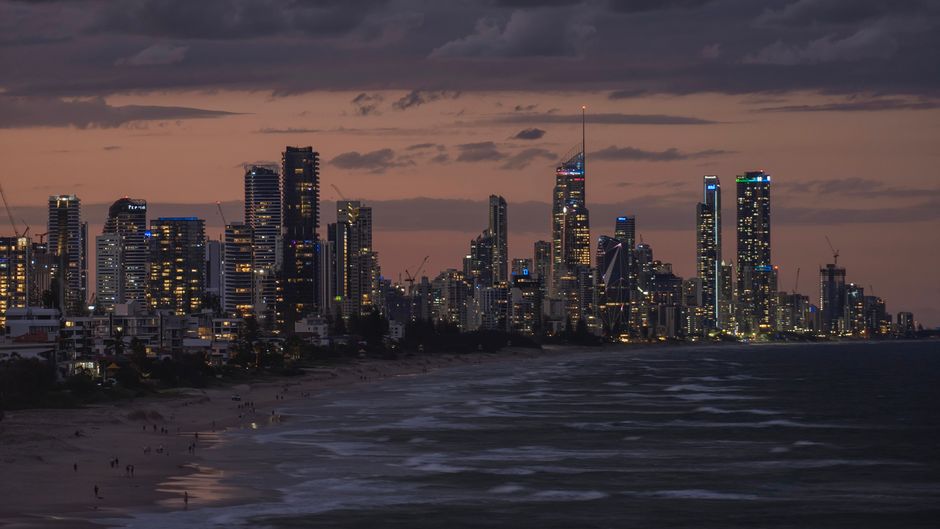
Smart City Tech is Transforming How Gold Coasters Commute, Shop and Live
From real-time transport networks to AI-powered retail, local innovation hubs are delivering solutions that are reshaping daily life across the city.
From real-time transport networks to AI-powered retail, local innovation hubs are delivering solutions that are reshaping daily life across the city.

The Gold Coast's emergence as a serious technology hub is no longer a future promise—it's reshaping how residents navigate their daily routines right now. This year, the city's innovation corridor stretching from Southport to Broadbeach has catalysed a wave of practical tech solutions that are fundamentally changing how locals work, move around, and spend their money.
The most visible transformation is in urban mobility. Real-time traffic prediction systems developed by Gold Coast–based startups are now integrated into local navigation apps used by over 240,000 commuters daily. Residents travelling along the notoriously congested Gold Coast Highway are now receiving predictive alerts up to 45 minutes in advance—a significant improvement on the three-to-five minute warnings available just two years ago. "The technology is learning from millions of journeys," explains one local transport analyst, noting that average commute times have dropped by approximately 12 minutes during peak hours.
Retail has undergone equally dramatic changes. The Surfers Paradise shopping precinct now hosts three major retail tech operations, with AI-powered fitting room systems becoming standard across premium stores. These systems—developed locally and now deployed in over 60 venues across the city—reduce average shopping times by 20 percent while providing personalised size and style recommendations. Local retailers report that adoption has boosted conversion rates by 18 percent, translating to lower prices and faster checkout experiences for everyday shoppers.
Perhaps most significantly, healthcare delivery is being reimagined. Several Gold Coast medical centres and aged care facilities in Ashmore and Upper Coomera are now piloting AI diagnostic assistance tools developed by local firms. These systems assist GPs in identifying conditions earlier, reducing emergency department visits by an estimated 8 percent across participating practices. For a city where one in four residents is over 65, this technological shift carries profound implications for quality of life and healthcare accessibility.
The economic impact extends beyond user convenience. Gold Coast's tech sector now employs over 8,400 people directly, with indirect employment reaching nearly 22,000 across the broader innovation economy. Property values in the tech corridor have risen 31 percent over three years, reflecting investor confidence in the sector's trajectory.
What makes this moment distinctive is that innovation is no longer concentrated in corporate laboratories. Universities like Griffith and Southern Cross are increasingly collaborating with startups through shared facilities in Coolangatta and Southport, creating an ecosystem where breakthrough ideas move rapidly from concept to deployment. For Gold Coast residents, this means technology isn't arriving as imported solutions—it's being built here, tested here, and refined based on local needs.
As the city continues attracting venture capital and international tech talent, the question is no longer whether technology will transform the Gold Coast. It's already happening, one commute, one shopping trip, one doctor's visit at a time.
This article was compiled by AI from the sources linked above and screened before publishing. See our editorial standards.
Spread the word
About this article
Published by The Daily Gold Coast
Daily brief
Free, in your inbox before 7am. Weekdays.
More from Gold Coast