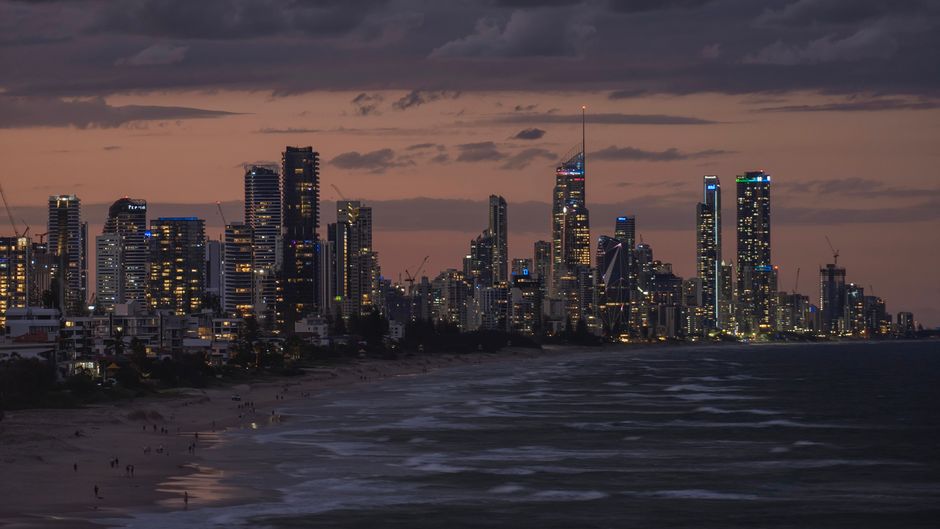
Walk into any café along Cavill Avenue or browse the boutiques of The Esplanade in Surfers Paradise, and you'll notice something that wasn't common five years ago: QR code menus with built-in encryption, contactless payments with biometric verification, and shop assistants asking if customers want their receipts digitally secured.
For Gold Coast residents, cybersecurity and digital privacy have shifted from abstract corporate concerns to tangible daily realities. Local tech adoption has accelerated dramatically, with nearly 73% of Gold Coasters now using some form of digital identity verification for essential services, according to recent data from the Queensland Digital Economy Institute.
"We're seeing families in Broadbeach and Ashmore becoming much more conscious about their digital footprints," says James Chen, operations manager at the Gold Coast Chamber of Commerce. "Parents want to know their kids' school communications are encrypted. Small business owners at the Southport Business Plaza are investing in cybersecurity the way they'd invest in physical locks."
The shift is visible at community level. Libraries across Coolangatta and Tallebudgera now offer free digital literacy workshops, with sessions on password management and phishing awareness consistently booked out. Local councils have implemented privacy-by-design principles in their digital services—a response to residents' growing concerns about data handling.
But perhaps most tellingly, the private sector is responding. Security-conscious coworking spaces like those near the Surfers Paradise transit hub now advertise encrypted Wi-Fi networks and private meeting pods as standard amenities. Gyms and wellness centres along the beachfront are offering members app-based check-ins with optional privacy controls, letting people choose what data they share.
The economic impact is real. Gold Coast cybersecurity firms reported 34% year-on-year growth in 2025, with local startups addressing everything from home network security to encrypted messaging for small traders. A typical household investment in digital safety tools—VPNs, password managers, backup solutions—now averages $180-250 annually, up from negligible spending three years ago.
Yet challenges remain. Digital divide issues persist in outer suburbs like Nerang and Mudgeeraba, where older residents and low-income households struggle with both the costs and complexity of securing their digital lives.
For Gold Coasters navigating everything from online banking in Southport's CBD to streaming services at home, cybersecurity has become less about expert-level technical knowledge and more about informed daily choices. It's reshaping how locals work, shop, communicate—and ultimately, how they experience their city.
This article was compiled by AI from the sources linked above and screened before publishing. See our editorial standards.