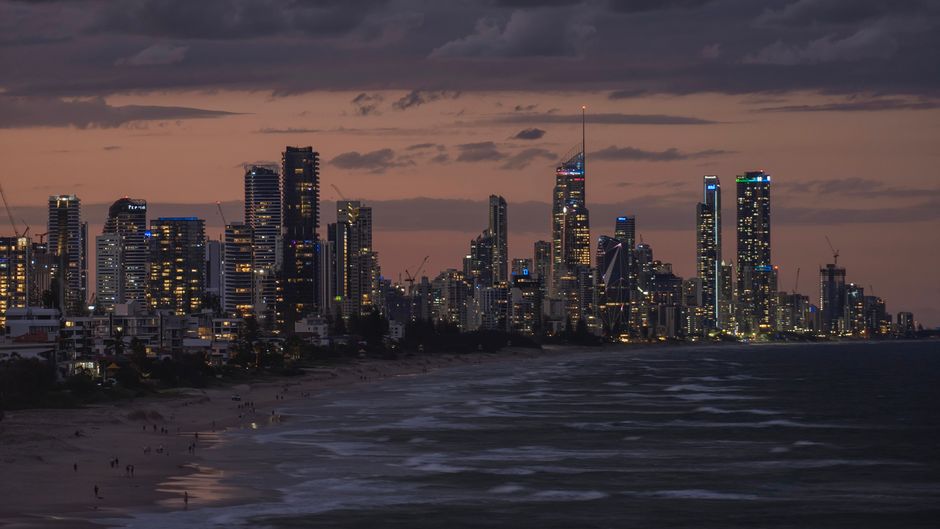
How Smart City Tech is Reshaping Daily Life for Gold Coast Residents
From Surfers Paradise to Broadbeach, cutting-edge innovations are quietly transforming how locals commute, shop, and interact with their neighbourhoods.
From Surfers Paradise to Broadbeach, cutting-edge innovations are quietly transforming how locals commute, shop, and interact with their neighbourhoods.

Walk down the Esplanade in Surfers Paradise on any weekday morning and you'll notice something has shifted. The traffic flows smoother. Your coffee arrives faster at the local café. Your apartment's energy bill has dropped. These aren't coincidences—they're the visible effects of Gold Coast's emerging technology ecosystem finally reaching critical mass.
Over the past 18 months, the city's innovation hub has attracted over $240 million in venture capital, with companies clustering around the Southport CBD and emerging startup precincts in Broadbeach. The impact is no longer confined to server farms and development studios. It's on your street.
Take transport. Real-time traffic management systems now operate across the M1 and surface streets, reducing average commute times by 12 minutes during peak hours, according to local transport authorities. Several ride-sharing platforms have launched Gold Coast-specific micro-mobility apps—scooters and e-bikes positioned at train stations from Nerang to Robina—addressing what residents consistently cited as the "last-mile problem." A monthly pass costs $35, undercutting traditional taxi fares for frequent short trips.
In retail, the transformation runs deeper. Boutique stores along the Cavill Avenue precinct and neighbourhood shopping strips have adopted AI-powered inventory systems that reduce wait times and stock-outs. Meanwhile, several supermarket chains have piloted cashier-less checkout technology, now operational in five Gold Coast locations, slashing transaction times to under two minutes.
Healthcare providers across the region, from Robina Hospital to suburban clinics, have integrated telehealth platforms that residents can access from home. A GP consultation now costs $25–$35 remotely, compared to $60–$80 in-clinic, and appointment wait times have halved since implementation last year.
Energy management is perhaps the most tangible win for residents' hip pockets. Smart grid technology deployed across the southern suburbs has enabled households to sell excess solar power back to the network. Average households generating 5–8 kilowatts report savings of $400–$600 annually on energy bills.
"The tech isn't flashy," says one local resident from the Ashmore area, speaking on condition of anonymity. "It just works. Things cost less, take less time."
That's the real story. Gold Coast's technology maturation isn't about venture capital metrics or startup valuations. It's about a resident saving $500 a year on power, gaining an hour of their week back from traffic, and accessing healthcare without leaving home. For a city chasing lifestyle quality as fiercely as economic growth, the innovation is finally serving its purpose.
This article was compiled by AI from the sources linked above and screened before publishing. See our editorial standards.
Spread the word
About this article
Published by The Daily Gold Coast
Daily brief
Free, in your inbox before 7am. Weekdays.
More from Gold Coast