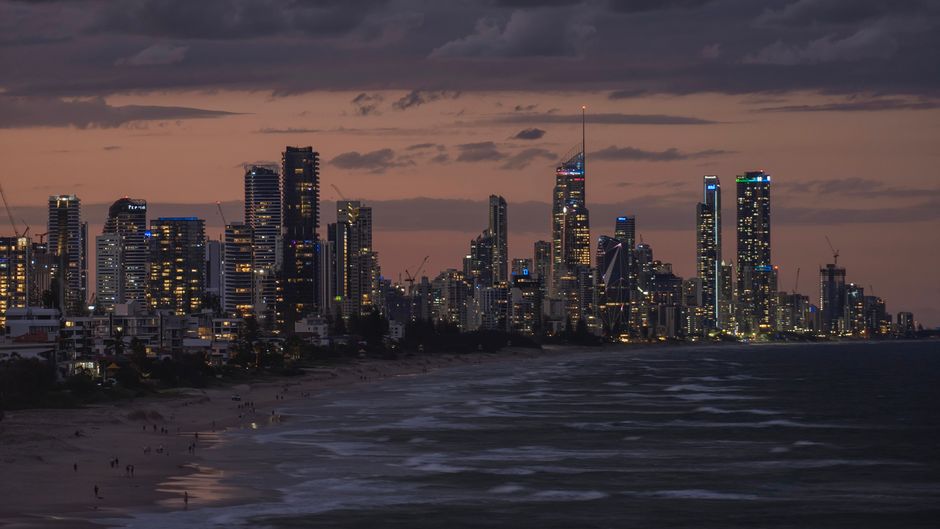
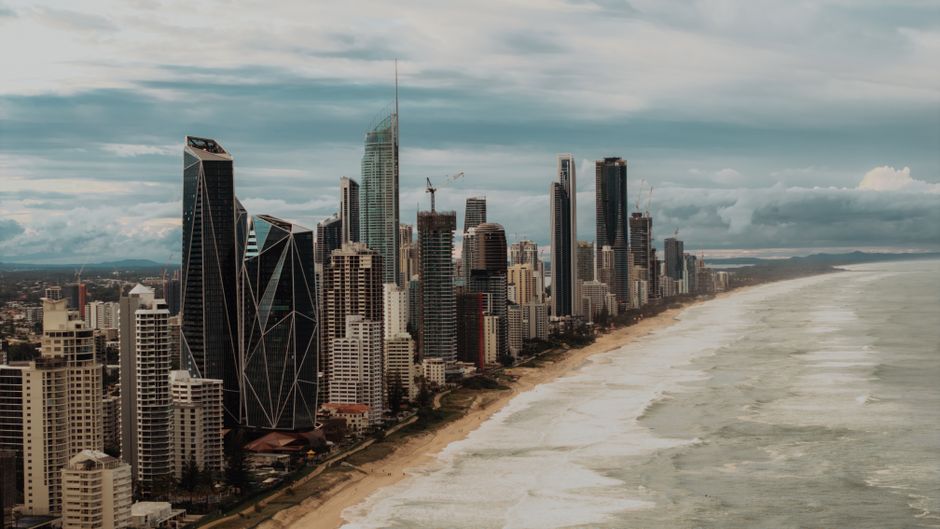
The Gold Coast's coworking sector has become a magnet for venture capital investment, with flexible workspace operators securing unprecedented funding rounds as demand for remote and hybrid work solutions continues to surge across the region.
Over the past 18 months, coworking operators targeting Gold Coast's tech-savvy workforce have collectively raised more than $45 million in Series A and B funding, according to industry trackers monitoring the Asia-Pacific workspace sector. This capital influx has accelerated the opening of premium facilities in Surfers Paradise, Broadbeach, and the emerging tech corridor around Southport's business district.
"We're seeing institutional investors treat flexible workspace as a genuine asset class now," says industry analyst Rebecca Chen from the Gold Coast Chamber of Commerce. "Five years ago, this was seen as a niche market for freelancers. Today, it's attracting the same calibre of capital as traditional commercial real estate."
The trend reflects broader workforce changes. Recent data shows that 62% of Gold Coast-based tech and creative professionals now work remotely at least two days per week, up from 34% in 2022. This flexibility has created demand for professional alternatives to home offices.
New facilities popping up along the Esplanade and in Southport's CBD are now offering hot-desking at $450–$600 monthly, dedicated desks at $800–$1,200, and private office suites ranging from $2,500 upwards. Meanwhile, established operators are expanding capacity, with several facilities reporting 85%+ occupancy rates—metrics that impress venture investors.
The economic impact extends beyond individual workspace providers. Local cafes, printing services, and IT support companies clustered near major coworking hubs have reported revenue increases of 15–25%. Property developers have begun incorporating flexible workspace components into new mixed-use projects, recognizing the trend's staying power.
Growth projections suggest Gold Coast's coworking market could reach $180 million in annual revenue by 2028, with an estimated 4,500 regular users by that timeline. This expansion is creating infrastructure investment opportunities in peripheral suburbs as well, with emerging venues in Nerang and Tallebudgera attracting professionals seeking lower-cost alternatives to beachside locations.
International coworking operators are also eyeing the Gold Coast as an Asia-Pacific expansion hub, viewing the region's lifestyle appeal and established tech community as competitive advantages. Several foreign-backed firms currently have due diligence underway for flagship locations expected to launch within 12 months.
For the Gold Coast economy, the coworking boom signals broader shifts in how work gets done—and where investment capital flows next.
This article was compiled by AI from the sources linked above and screened before publishing. See our editorial standards.