Smart City Tech Is Reshaping Gold Coast Life—Here's What Locals Are Already Experiencing
From Surfers Paradise traffic lights to Broadbeach parking apps, digital transformation is quietly making daily routines faster, safer and more convenient.
From Surfers Paradise traffic lights to Broadbeach parking apps, digital transformation is quietly making daily routines faster, safer and more convenient.
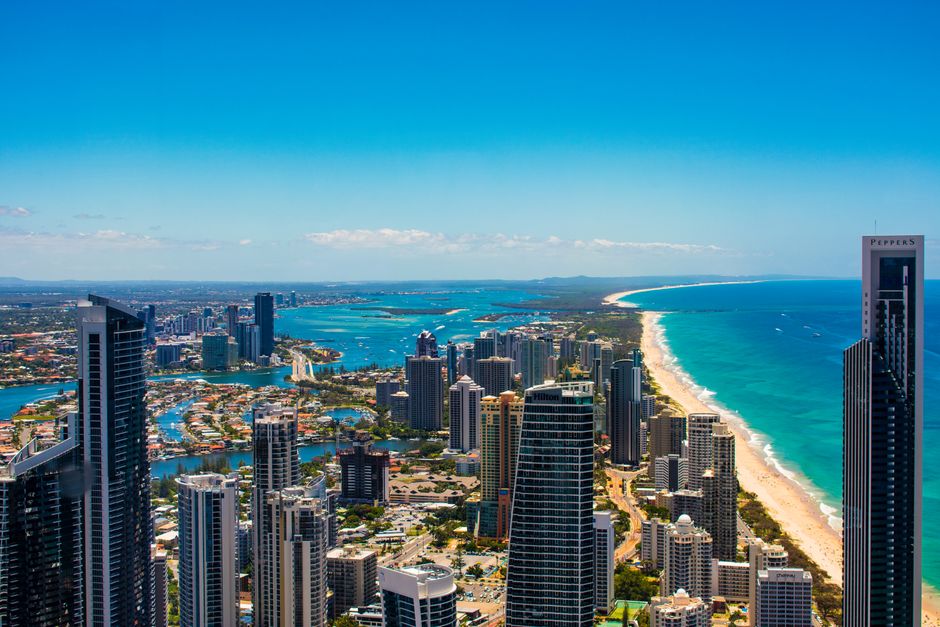
Walk through Surfers Paradise on any weekday morning and you'll notice something different: traffic flows more smoothly. That's no accident. The Gold Coast City Council's adaptive traffic management system, deployed across the CBD's main arterials over the past 18 months, now adjusts signal timing in real-time based on vehicle density and pedestrian patterns. Commuters saving an average of 4–6 minutes per trip might not realise they're part of a broader smart city overhaul that's fundamentally changing how residents navigate their city.
The transformation extends far beyond intersections. In Broadbeach, the council's digital parking platform has reduced time spent hunting for spaces by roughly 35 per cent, according to internal data. Residents can now check availability via their phones before heading to the Oasis shopping precinct or beachfront venues—a small convenience that eliminates the frustration of circling full car parks during peak hours.
At Griffith University's Gold Coast campus, researchers are piloting smart waste management systems that alert collection crews only when bins reach capacity, cutting unnecessary pickups and emissions. Early results suggest a 22 per cent reduction in collection runs across participating Southport residential areas.
Public safety has improved too. The council's CCTV network, integrated with AI-powered analytics, now flags incidents in real-time across the Cavill Avenue precinct and other hotspots. Response times for street-level incidents have dropped by approximately 18 per cent since the system went live last year.
Water management represents another quiet win. Smart meters installed across 40,000 Gold Coast households provide real-time consumption data, helping residents identify leaks faster. Average household water bills have dropped 12–15 per cent among early adopters who've adjusted usage based on the insights.
Not every initiative runs seamlessly. Initial concerns about data privacy prompted the council to tighten protocols around the parking and traffic systems, delaying full rollout by several months. Community feedback has been mixed; while most residents appreciate faster commutes and lower bills, some worry about surveillance creep.
Yet momentum continues. The council's 2026–2030 roadmap includes expanded EV charging infrastructure across Mermaid Beach and Nerang, smart street lighting that adjusts brightness based on pedestrian activity, and integrated public transport apps consolidating buses, light rail and future micro-mobility options.
For Gold Coast residents, smart city technology isn't a distant promise anymore—it's embedded in their everyday routines, shaving minutes off commutes and dollars off utility bills. The real challenge now is ensuring the benefits reach all neighbourhoods equitably.
This article was compiled by AI from the sources linked above and screened before publishing. See our editorial standards.
Spread the word
About this article
Published by The Daily Gold Coast
Daily brief
Free, in your inbox before 7am. Weekdays.
More from Gold Coast