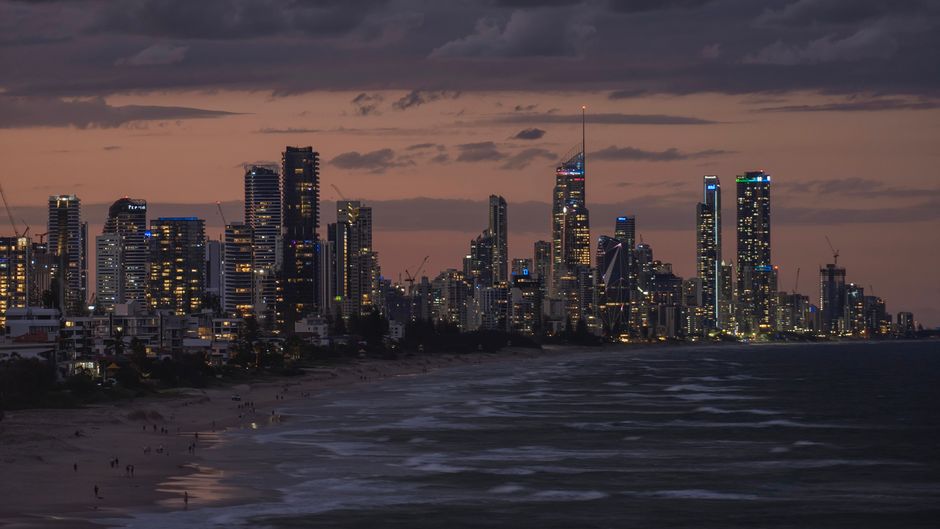
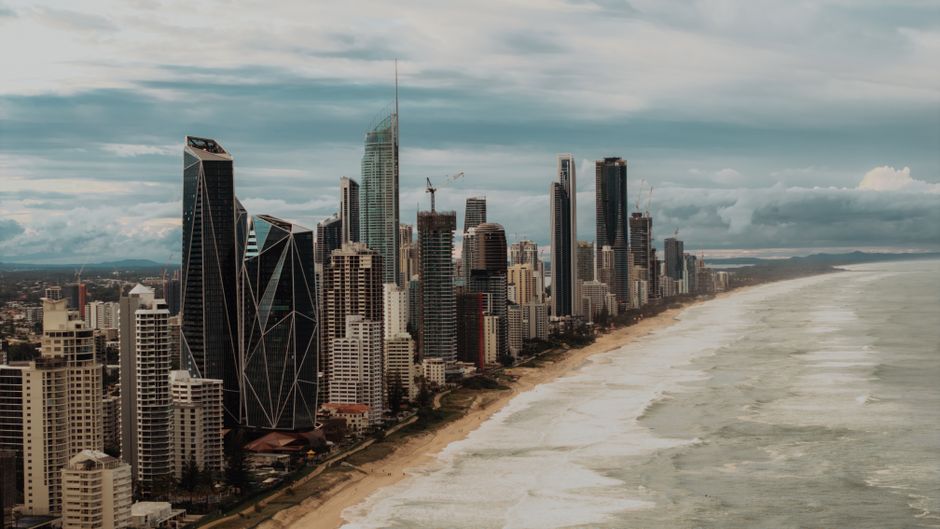
For years, the Gold Coast's arterial routes—the M1 corridor, particularly the notorious southbound crawl during peak hours—have been a rite of passage for commuters. But that's quietly changing. A growing wave of remote work infrastructure is fundamentally altering how residents experience their city.
The shift is visible in neighbourhoods like Surfers Paradise and Broadbeach, where coworking operators have opened sleek hubs offering high-speed connectivity, meeting rooms, and the kind of professional environment once confined to corporate towers. Monthly memberships typically range from $250 to $600 depending on amenities, a fraction of what many paid in petrol and vehicle wear-and-tear when commuting daily into the CBD.
What's striking is the ripple effect on everyday life. Local cafés in areas like South Burleigh and Currumbin have shifted their business model, pivoting from breakfast-and-dash establishments to all-day coworking destinations. Many now offer dedicated wifi zones and longer table minimums. Traffic data from the past two years shows reduced congestion on key routes during traditional peak hours—a tangible quality-of-life win for those still making the commute.
"The technology enabling this isn't just about video conferencing," explains David Bransfield, director of the Gold Coast Economic Development Board. "It's collaboration platforms, cloud infrastructure, and security tools that make distributed teams viable. We're seeing businesses recruit talent from Brisbane, Sydney, even Melbourne, because location no longer matters as much."
The demographic shift is notable too. Younger professionals are choosing to base themselves here rather than migrate to larger capitals, drawn by the lifestyle premium: beach access, lower housing costs relative to Sydney or Melbourne, and increasingly, the ability to work flexibly. Some are launching startups from home offices overlooking the ocean.
However, the transition isn't seamless. Internet reliability remains patchy in some beachside suburbs, and not all industries benefit equally. Construction, hospitality, and healthcare workers still need physical presence. Yet even these sectors are exploring hybrid models.
As we head into the latter half of 2026, the Gold Coast is experiencing a genuine economic rebalancing. The city that once relied on tourism and retirees now counts thousands of digital nomads and remote workers among its daily population. Whether this signals a permanent shift or a post-pandemic anomaly, the technology infrastructure is here to stay—and with it, a tangibly different rhythm to how locals live their lives.
This article was compiled by AI from the sources linked above and screened before publishing. See our editorial standards.