Gold Coast's startup boom masks darker questions about venture capital, ethics and risk
As billions flow into the region's tech ecosystem, founders and investors grapple with whose interests are truly being served.
As billions flow into the region's tech ecosystem, founders and investors grapple with whose interests are truly being served.
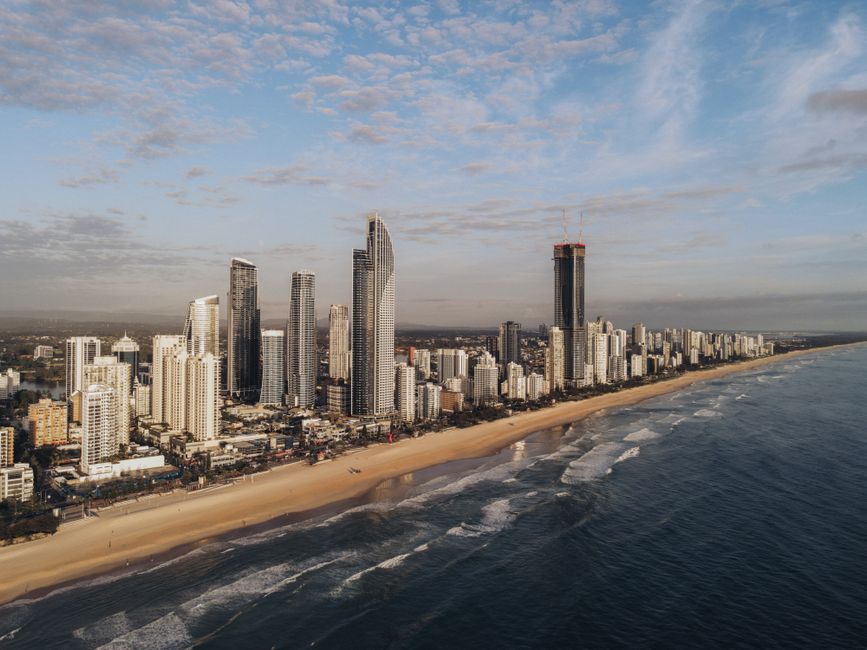
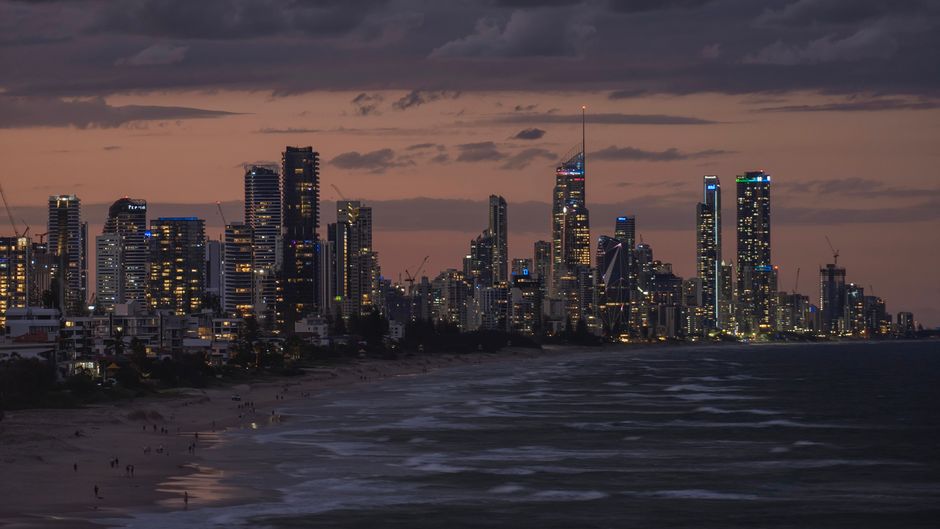
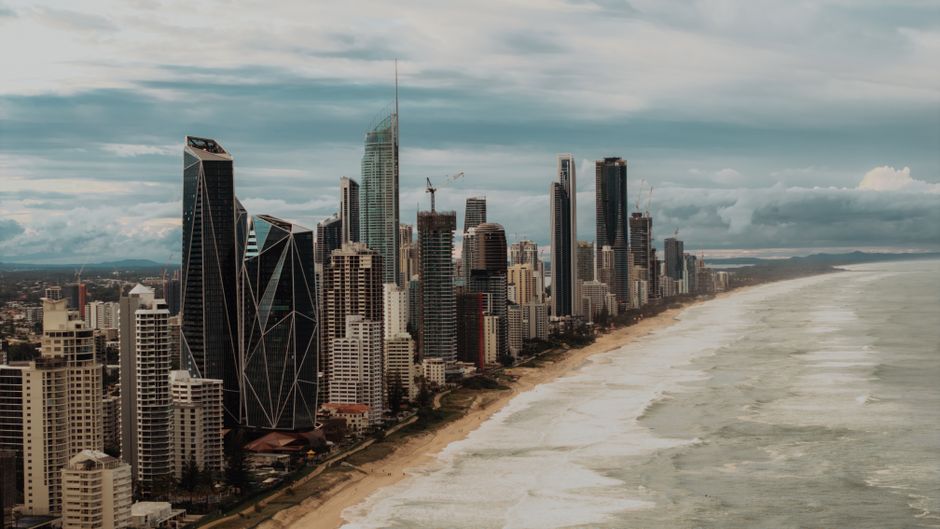
The Gold Coast's emergence as a serious tech hub has been undeniable. Over the past three years, venture capital investment in local startups has tripled, with firms clustered around Surfers Paradise and the innovation precincts near Broadbeach attracting international attention. Yet beneath the glossy pitch decks and rooftop celebrations in Southport, a more complicated story is unfolding—one where rapid growth is breeding uncomfortable questions about sustainability, equity and accountability.
The numbers tell a seductive tale. Average seed funding rounds in the region have jumped from $280,000 in 2023 to over $800,000 today, according to local venture tracking data. Established co-working spaces like those on The Esplanade now command premium rates, and commercial landlords have begun converting entire buildings in the Ashmore business corridor to cater exclusively to tech tenants. Success stories abound: several Gold Coast-founded companies have achieved unicorn status, generating waves of optimism through the entrepreneurial community.
But velocity masks vulnerability. A significant portion of current funding is chasing AI and crypto ventures—sectors where regulatory frameworks remain uncertain and failure rates historically exceed 60 percent. Founders report mounting pressure to scale aggressively and raise larger rounds, even when market validation remains thin. The human cost is visible: burnout is endemic in the startup scene, with founders averaging 60-hour weeks while juggling investor demands and uncertain timelines to profitability.
Ethical concerns run deeper still. Several prominent venture firms operating in the region have faced scrutiny over their limited diversity among portfolio companies and investment teams. Women-founded startups receive approximately 12 percent of available funding—a gap that mirrors national trends but contradicts the region's reputation for forward-thinking culture. Meanwhile, venture capital's appetite for high-growth-at-any-cost models has begun pricing out mission-driven founders working on problems with smaller addressable markets but genuine community impact.
There's also the question of whose Gold Coast is being built. As rents surge around innovation hubs, younger founders and early-stage companies struggle to afford proximity to networks and resources. The ecosystem increasingly favors those with personal wealth or family backing—a structural bias that narrows the talent pool and concentrates opportunity.
Industry leaders aren't ignoring these tensions. Several local investor collectives have begun experimenting with longer funding timelines and patient capital models. Yet systemic change requires more than good intentions. The Gold Coast's next chapter as a tech destination will be defined not just by capital deployed, but by honest reckoning with who benefits and what gets left behind.
This article was compiled by AI from the sources linked above and screened before publishing. See our editorial standards.
Spread the word
About this article
Published by The Daily Gold Coast
Daily brief
Free, in your inbox before 7am. Weekdays.
More from Gold Coast