Green Jobs Gold Rush: What Workers Need to Know About Clean Energy Careers on the Gold Coast
As renewable energy investment accelerates across Queensland, local professionals are racing to upskill—but the competition for roles is heating up fast.
As renewable energy investment accelerates across Queensland, local professionals are racing to upskill—but the competition for roles is heating up fast.
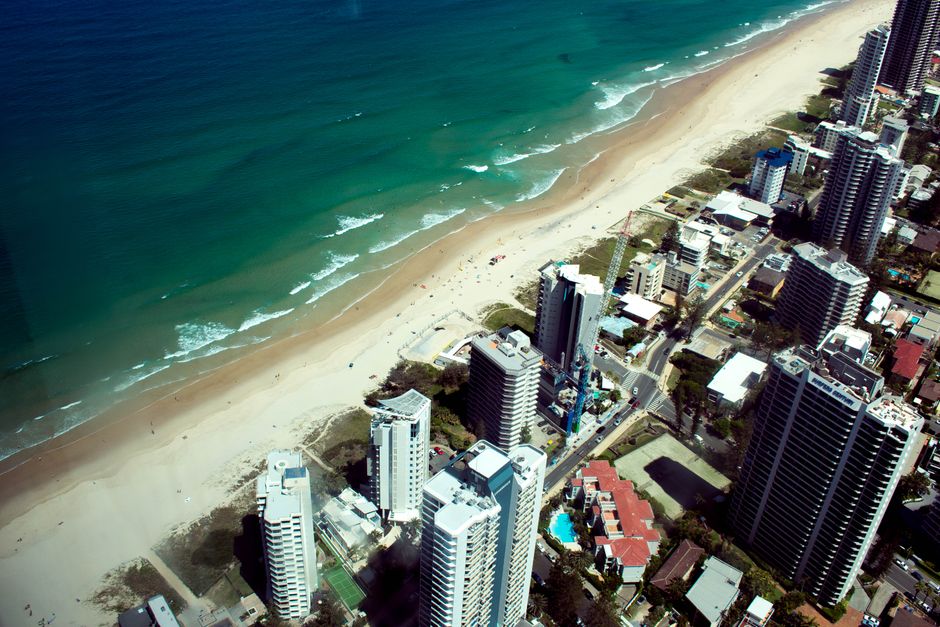
The Gold Coast's transition to clean energy is no longer a future scenario—it's reshaping the job market right now. With major solar and battery storage projects dotting the region from Southport to the hinterland, workers and job seekers need to understand where the real opportunities lie and what employers are actually demanding.
Queensland has committed to 80 per cent renewable energy by 2035, and the Gold Coast is becoming a testing ground for that ambition. Projects worth hundreds of millions of dollars are underway, from rooftop solar retrofits across suburban neighbourhoods to utility-scale battery facilities near industrial precincts. But landing these roles requires more than optimism.
"The sector is growing, but it's competitive," says the Queensland Renewable Energy Alliance, which tracks industry trends. Certifications matter. Electrical contractors pursuing solar installation work increasingly need accreditation through organisations like the Clean Energy Council. A Level 2 solar PV installer course—now offered through Griffith University's Southport campus and trade providers across the region—costs between $1,800 and $3,200 and takes 40–60 hours. That's an entry point many employers screen for before interview.
Beyond trades, white-collar roles are expanding too. Environmental consultants, project managers, and GIS specialists are in demand as councils and developers map renewable infrastructure. Salaries for mid-level project coordinators typically range from $65,000 to $85,000 annually, competitive with traditional construction management but often with better job security.
The hinterland presents unexpected opportunities. Towns like Mudgeeraba and Boomerang are pilot sites for microgrid and community energy initiatives. These roles—technical support, community liaison, data analysis—tend to attract less saturation than coastal solar jobs.
Networking matters. Events at the Gold Coast Convention Centre and sustainability forums run by the Chamber of Commerce regularly bring together recruiters and candidates. LinkedIn skills endorsements in renewable energy, battery systems, and energy efficiency increasingly flag profiles to employers scanning databases.
One reality check: wages vary sharply by role. Labourers on installation crews earn $55,000–$65,000; experienced electricians with solar qualifications command $75,000–$95,000. Management and engineering roles push into six figures, but those typically require degrees or substantial prior experience.
The window for pivoting into green energy is open now—but it won't stay uncompetitive forever. Workers who combine technical skills with formal credentials and local network presence will find the Gold Coast's clean energy boom rewarding.
This article was compiled by AI from the sources linked above and screened before publishing. See our editorial standards.
Spread the word
About this article
Published by The Daily Gold Coast
Daily brief
Free, in your inbox before 7am. Weekdays.
More from Gold Coast