Solar panels on every corner: how clean energy tech is reshaping daily life for Gold Coast residents
From beachside suburbs to inland residential pockets, renewable technology is cutting power bills and transforming the way locals live.
From beachside suburbs to inland residential pockets, renewable technology is cutting power bills and transforming the way locals live.
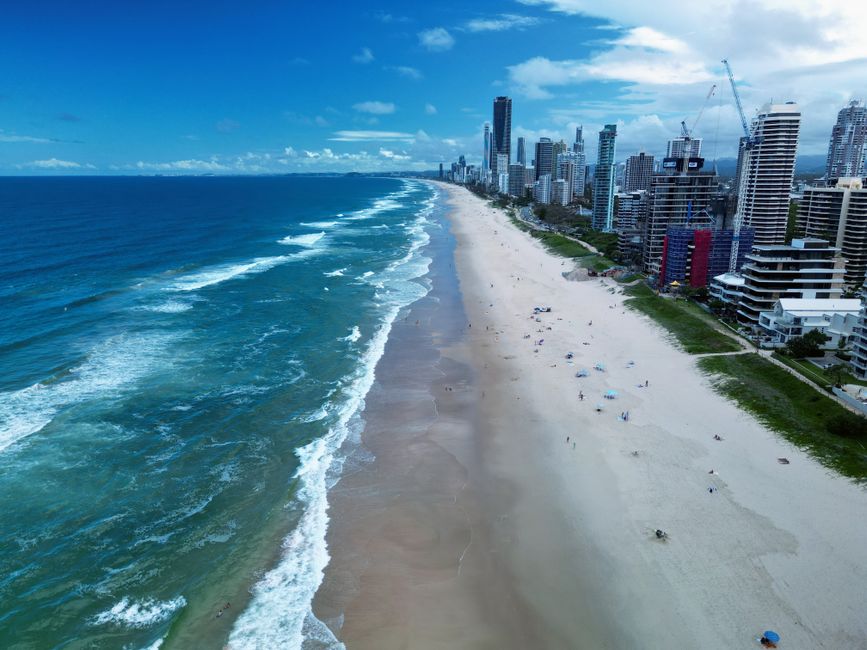
Walk down Cavill Avenue on a Tuesday afternoon and you'll notice something that would have seemed unlikely a decade ago: rooftop solar installations have become as common as air conditioning units. Across the Gold Coast, residential and commercial properties are quietly embracing clean energy technology, reshaping not just how residents power their homes, but how they think about their environmental footprint.
The shift is tangible in suburbs like Surfers Paradise, Broadbeach, and inland neighbourhoods such as Ashmore and Mudgeeraba. According to recent data, more than 34 per cent of Gold Coast households now have solar photovoltaic systems installed—well above the national average of 28 per cent. For residents, the numbers tell a compelling story: average electricity savings of $1,200 to $1,500 annually, with many systems paying for themselves within six to seven years.
But the clean energy revolution extends far beyond rooftop panels. Smart home energy management systems are becoming standard in new developments along the waterfront and around the Southport business district. Battery storage solutions, once a luxury, are now accessible to middle-income families, allowing residents to store excess solar energy for evening use and further insulate themselves from grid price fluctuations.
The local council has amplified this momentum. The Gold Coast City Council's recent push to transition municipal operations—from street lighting to waste management facilities—to renewable energy sources has created a visible cultural shift. In 2025, the council installed LED lighting across major thoroughfares including the Gold Coast Highway and surrounding arterial roads, reducing energy consumption by approximately 45 per cent while improving night-time visibility.
Perhaps more immediately noticeable for everyday residents is the expansion of electric vehicle charging infrastructure. Charging stations now dot shopping precincts at Pacific Fair, Surfers Paradise, and major employment hubs across the city. While uptake of electric vehicles remains moderate, the infrastructure development signals that sustainability isn't a niche concern—it's becoming mainstream expectation.
Local sustainability organisations and green tech startups are also contributing to this shift. Community workshops on energy efficiency, solar installation and home battery systems regularly fill meeting spaces at libraries and community centres across the region.
For many Gold Coasters, these changes represent something deeper than cost savings: they reflect a collective recognition that living on one of Australia's most visited coastlines carries responsibility. Clean energy technology has stopped being a statement and started being simply how residents live.
This article was compiled by AI from the sources linked above and screened before publishing. See our editorial standards.
Spread the word
About this article
Published by The Daily Gold Coast
Daily brief
Free, in your inbox before 7am. Weekdays.
More from Gold Coast