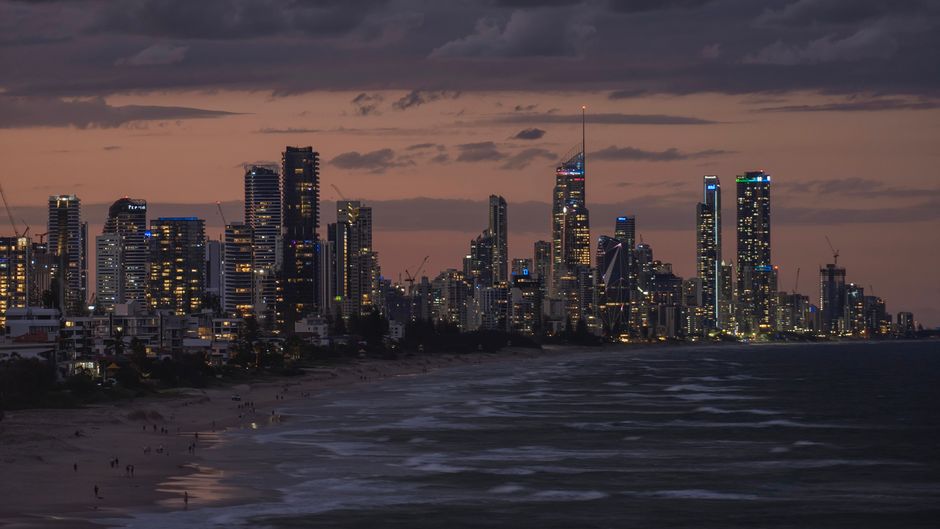
Behind the Screen: How Cybersecurity is Reshaping Daily Life for Gold Coast Residents
As digital threats evolve, local businesses and families are adapting their routines—from banking at Southport to working from beachside cafes—with privacy tools that were once considered niche.
Walk through Surfers Paradise on any given afternoon and you'll see them: professionals hunched over laptops in coffee shops, families swiping through banking apps on their phones, and small business owners managing inventory on cloud systems. What's changed dramatically in the past 18 months isn't the activity itself—it's the invisible architecture protecting it.
Gold Coast residents are now living at the frontline of a quiet digital revolution. The local business district stretching from the CBD through Broadbeach to Burleigh Heads has become increasingly reliant on cybersecurity measures that directly shape how people work, shop, and connect. A recent survey of Gold Coast small businesses showed that 67% have implemented multi-factor authentication protocols, up from just 31% three years ago—a shift driven partly by regulatory pressure, but largely by necessity.
"The conversation has completely changed," says Dr. Richard Chen, director of the Griffith University Cybersecurity Research Lab at Nathan campus. "Five years ago, privacy was abstract. Now it's immediate. People understand that their data has value, and they want control over it."
This understanding translates into tangible changes. At Surfers Paradise shopping precinct, retailers now use encrypted payment systems standard across major venues. Residents opening accounts at Commonwealth Bank branches in Southport receive detailed guidance on password management. Local GP surgeries in Ashmore have upgraded to secure patient portals. The cost of this infrastructure—typically $2,000 to $15,000 for small Gold Coast businesses annually—has become a fixed business expense, like electricity or rent.
The shift extends to home life. Parents in Robina are teaching children about phishing scams. Retirees in Mermaid Beach are learning to verify calls from their banks. Freelancers working from beachside cafes in Main Beach are using VPN services (averaging $60-$120 annually) as casually as they once used WiFi passwords.
Yet not everyone is keeping pace. Digital literacy remains uneven across Gold Coast suburbs, with older residents and low-income communities sometimes missing critical updates about privacy settings or data protection. Community centres in Coolangatta and Labrador have begun running free cybersecurity workshops, addressing a gap that local councils recognise as essential infrastructure.
The irony is subtle but significant: as technology promises convenience, cybersecurity demands vigilance. For Gold Coast residents, that balance is no longer optional—it's become the price of participation in an increasingly digital world.
This article was compiled by AI from the sources linked above and screened before publishing. See our editorial standards.