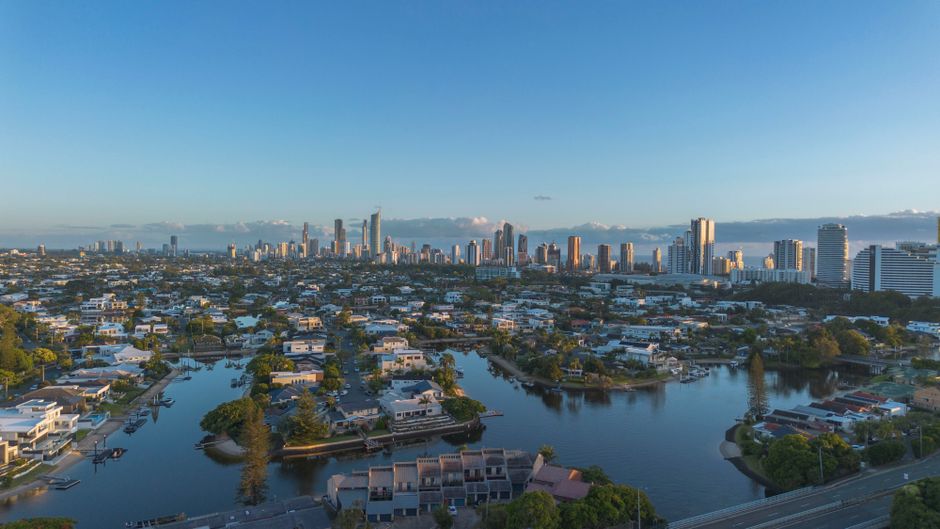
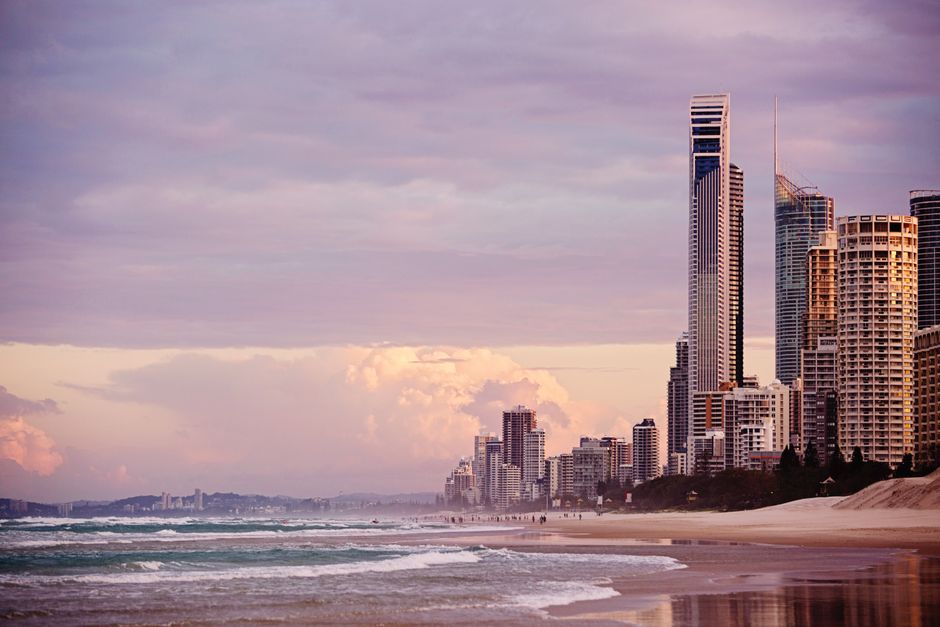
More than 42,000 people entered a sanctioned running, cycling or triathlon event on the Gold Coast in the 12 months to June 2026, a figure that represents roughly one in every fifteen residents and marks a 14 percent jump on the pre-pandemic baseline recorded in 2019. The data, drawn from Athletics Queensland, Triathlon Queensland and Cycling Queensland registration records, lands at a moment when the city's sporting identity is being debated loudly, partly because two of Australia's biggest national teams were dealt gut-wrenching losses this very week.
The timing matters. With the Wallabies dropping a Nations Championship final and the Socceroos exiting the FIFA World Cup on penalties in the last 32, the cultural conversation has swung hard toward elite spectator sport and what Australia is or isn't producing at the top level. The Gold Coast's grassroots endurance numbers push back against any narrative of disengagement. Ordinary people here are not watching, they are racing.
Surfers Paradise to Currumbin: Where the Fitness Culture Lives
The geographic spread of participation tells its own story. Parkrun Gold Coast, which operates free weekly 5km events at venues including Broadwater Parklands in Southport and Pratten Park in Broadbeach, logged 1,847 individual finishers across both courses on a single Saturday in May 2026, the highest single-day combined figure in the event's Gold Coast history. The Currumbin Alley oceanfront precinct and the Broadwater Esplanade between Labrador and Main Beach have emerged as the city's two most heavily used informal training corridors, according to Strava's 2025 Metro Report, which ranked the Broadwater route among the top 20 most-recorded cycling segments in Australia.
Club membership data reinforces the picture. Gold Coast Triathlon Club, based at Southport Aquatic Centre on Musgrave Street, reported 680 financial members for the 2025-26 season, up from 510 two years earlier. The club's entry-level 'Try-a-Tri' program, eight weeks of coached swim, bike and run sessions for $195, sold out its March intake in under 48 hours. Running clubs including Runaway Bay Runners and the Coolangatta Road Runners have posted similar membership spikes, with the latter crossing 400 members for the first time in its 31-year history.
Demographics Are Shifting the Sport
The most striking story inside the numbers is gender. Women now make up 47 percent of Gold Coast triathlon event starters, compared with 31 percent in 2015. In running events of 10km or shorter, women are the majority, 54 percent of starters at the 2026 Gold Coast Airport Marathon's associated 10km race in July. That event, which draws participants to the Southport CBD start line and the beachside Esplanade finish at Surfers Paradise, attracted 9,400 entrants across all distances this year, a record for the event and a $6.2 million direct economic injection into the city according to organisers' post-event modelling.
Age brackets are also widening at both ends. The 60-to-69 cohort was the fastest-growing age group in Triathlon Queensland's Gold Coast regional registrations last financial year, up 22 percent. Meanwhile the 18-to-24 group, often assumed to have drifted toward gym culture and recreational sport, grew 18 percent, driven in part by university-linked programs at Bond University in Robina, which runs a subsidised triathlon pathway for students through its sport and recreation department.
What happens next will depend partly on infrastructure keeping pace with appetite. The proposed extension of the M1 Pacific Motorway shared path through Reedy Creek, currently in the Queensland Transport and Main Roads planning pipeline, would connect existing cycling networks at Burleigh Heads with the Varsity Lakes precinct, a link coaches and club administrators have been pushing for since at least 2022. Local government ward submissions to the 2026-27 City of Gold Coast budget close on August 15, and several endurance sport organisations have already flagged the path extension as their top priority. If participation keeps climbing at the current rate, the infrastructure conversation will only get louder.