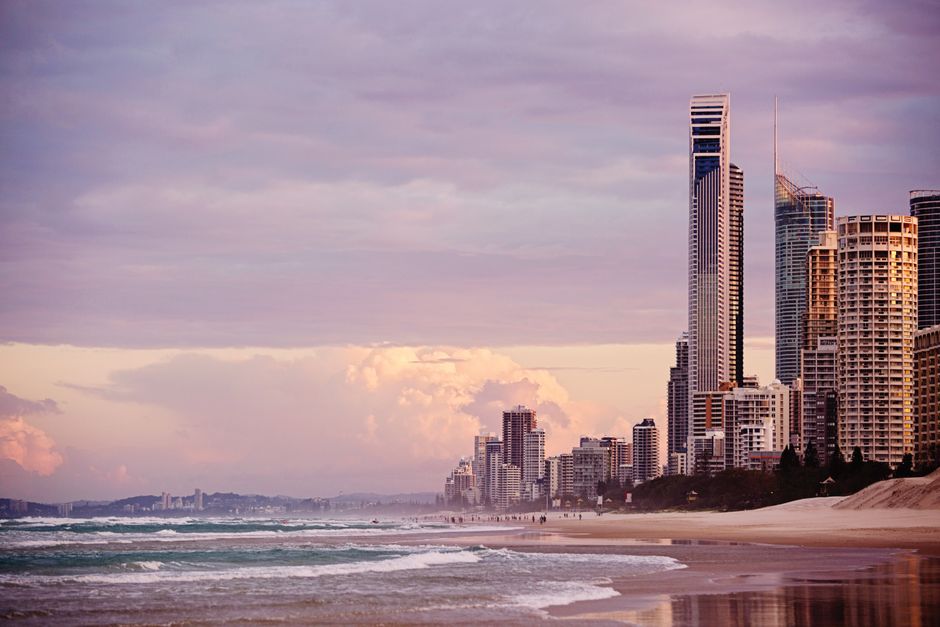
More than 2.1 million people passed through Gold Coast's major sporting venues and affiliated fitness programs in the 2025–26 financial year, according to data compiled by Sport and Recreation Queensland and released this week. That figure — up 14 percent on the previous year — isn't simply a pandemic-recovery bounce. It reflects something structural about how this city has organised itself around physical activity.
The timing of the release matters. With the Socceroos' World Cup campaign ending in heartbreak overnight — beaten by Egypt on penalties in the last 32 — attention naturally turns to what elite football spectacle does to grassroots participation in a host country. Gold Coast, which hosted three group-stage matches at Cbus Super Stadium in Robina, is already seeing the data start to answer that question.
Robina and Broadbeach: Two Ends of the Same Story
Cbus Super Stadium on Robina Town Centre Drive recorded its highest-ever monthly attendance in June 2026, with 67,400 people through the gates across three World Cup fixtures alone. But the more revealing figure sits in the 12 months preceding those matches. Affiliated community football programs connected to the stadium — run through Football Gold Coast, based in Carrara — grew their registered junior participants from 8,900 to 11,400 between July 2025 and June 2026. The pipeline between the big venue and the suburban oval is working.
At the other end of the Pacific Motorway corridor, Broadbeach and Mermaid Beach tell a different fitness story. The cluster of privately operated gyms, outdoor fitness nodes and aquatic centres around the Broadbeach Mall precinct has become something of a participation laboratory. Gold Coast Aquatic Centre in Southport reported 340,000 individual entries in the 2025–26 year, with lap-swimming sessions booked out on weekday mornings from 5:30am. A 10-visit casual pass there runs $98, and waiting lists for learn-to-swim classes stretched to eight weeks by April.
Metricon Stadium, the home of the Gold Coast Suns on Olsen Avenue in Carrara, contributes a different layer of data. The venue's community oval program — which gives local clubs access to training facilities on non-match days — logged 4,200 separate club bookings in 2025, a number the AFL's Queensland development office describes as the highest of any suburban AFL ground in the state. Volleyball, touch football and athletics groups all compete for that same turf.
What the Numbers Actually Tell Us
Raw attendance at major venues flatters the picture slightly. Spectators sitting in corporate boxes at a World Cup game are not the same as residents adopting sustained fitness habits. The more meaningful indicator is the Active and Healthy Gold Coast program run through City of Gold Coast, which tracks residents who report exercising at least three times per week. That figure reached 68 percent of surveyed adults in 2025, compared to a national average of 54 percent, according to the Australian Institute of Health and Welfare's most recent physical activity report published in February 2026.
Climate plays an obvious role — nobody disputes that 300 days of sunshine a year lowers the barrier to outdoor exercise. But urban planning decisions made over the past decade have compounded that advantage. The 36-kilometre coastal shared path between Coolangatta and Main Beach now carries an estimated 12,000 pedestrian and cyclist movements daily, according to Gold Coast City Council counters installed at The Spit and at Burleigh Heads.
The immediate question is whether the World Cup surge converts into durable club memberships. Football Gold Coast has opened its junior registration window early, running a discounted $45 registration fee for new players signing up before August 31. Several Gold Coast City Council community centres — including the Mudgeeraba Community Centre and the Miami Aquatic Centre — have announced extended evening hours through September to meet anticipated demand. If the participation curve from the 2032 Brisbane Olympic announcement is any guide, the City of Gold Coast should expect elevated enrolment figures for at least 18 months after a major event. The infrastructure is there. The data suggests the appetite already was.