From Local Parks to City Pride: The Grassroots Story Behind Gold Coast's Community Sport Movement
Amateur leagues and clubs across Surfers Paradise, Southport and beyond are quietly building the social fabric that makes the Gold Coast tick.
Amateur leagues and clubs across Surfers Paradise, Southport and beyond are quietly building the social fabric that makes the Gold Coast tick.
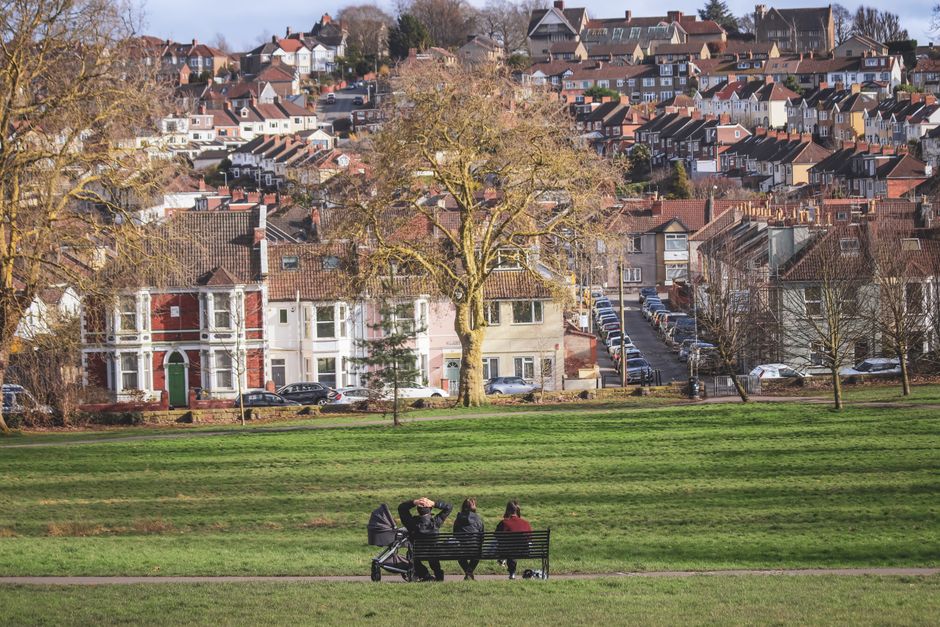
While international headlines dominate sport pages, a different kind of game is unfolding across Gold Coast neighbourhoods. In parks from Tallebudgera to Carrara, thousands of residents are lacing up boots, pulling on jerseys and discovering that community sport isn't about trophy cabinets—it's about belonging.
The numbers tell a compelling story. Gold Coast City Council data shows over 180 registered amateur sports clubs operate across the region, serving approximately 35,000 active participants annually. Yet behind that statistic lies something deeper: a grassroots movement that's rewired how locals connect with each other and their city.
Take the Southport Amateur Rugby League competition, which operates Wednesday and Friday nights at Biarra Park. The 12-team competition attracts players aged 18 to 55, many working full-time jobs, commuting from suburbs like Nerang and Pacific Pines. Registration costs hover around $280 per season—modest enough that families treat it as essential, not luxury.
"What we're seeing isn't just sport," explains a spokesperson from Gold Coast Amateur Sports Alliance. "These clubs are where friendships form, where social isolation gets tackled, where newcomers to the Gold Coast find their people." The organisation coordinates 47 different sports across the city, from netball courts in Ashmore to cricket ovals in Mudgeeraba.
The Surfers Paradise District Cricket Association, operating since 1987, manages six grades of competition across the Nerang River grounds. During the season, every weekend sees matches played—from under-10s development squads to Masters grade teams. Membership fees range from $110 for juniors to $195 for senior players, deliberately kept accessible.
What's particularly striking is the volunteer infrastructure. These leagues don't run themselves. Coaches, umpires, ground marshals and committee members donate thousands of hours annually. One recent audit found Gold Coast's amateur sport sector generated an estimated $2.3 million in volunteer labour value across a single season.
The COVID-era closure of these venues in 2020 highlighted their irreplaceable role. Mental health services across the Gold Coast reported increased demand precisely when community sport shut down. When grounds reopened, participation rebounded fiercely—clubs reported waiting lists for the first time in years.
Today, as the city continues growing, these amateur leagues represent something increasingly rare: truly local institutions where outcomes matter less than presence, where a Saturday morning kickoff at a Tallebudgera oval becomes the week's anchor point.
That's the real story unfolding in Gold Coast sport—not in stadiums or on television, but in the everyday places where community actually builds itself.
This article was compiled by AI from the sources linked above and screened before publishing. See our editorial standards.
Spread the word
About this article
Published by The Daily Gold Coast
Daily brief
Free, in your inbox before 7am. Weekdays.
More from Gold Coast