From Ashmore Ovals to State Finals: The Grassroots Story Behind Gold Coast's Community Sport Movement
Volunteer-led clubs across the Coast are quietly building the foundation of tomorrow's champions, one junior team at a time.
Volunteer-led clubs across the Coast are quietly building the foundation of tomorrow's champions, one junior team at a time.
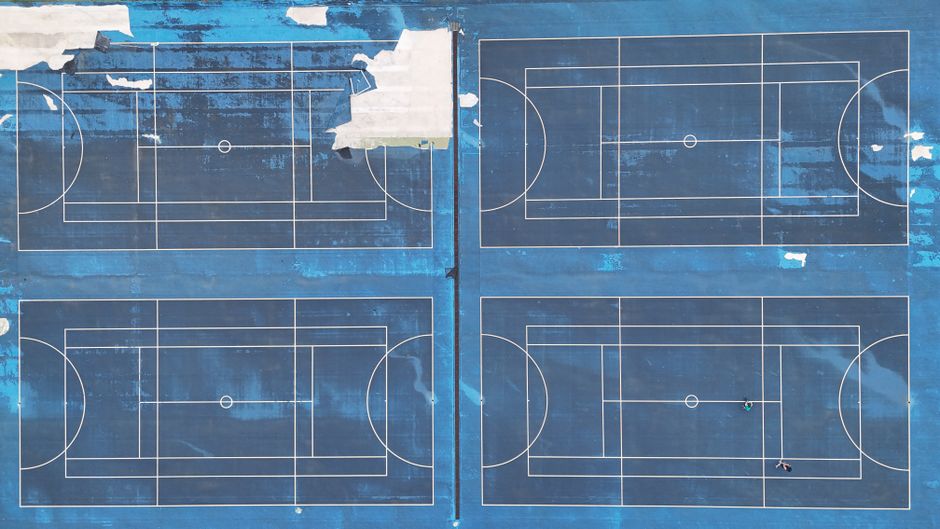
On any Saturday morning across the Gold Coast, the story of Australian sport is being written on ovals that most tourists never see. From the weathered grounds of Ashmore Sports Club to the bustling fields at Southport Sharks precinct, grassroots volunteers are the backbone of a movement transforming how young people engage with sport in our region.
The numbers tell a compelling story. Across the Gold Coast, more than 45,000 junior players are registered with community clubs—a figure that has grown 12 per cent over the past three years, despite post-pandemic challenges. These aren't elite academies with six-figure budgets; they're neighbourhood clubs operating on slim margins, powered by parents willing to coach, referee, and fundraise on weekends.
"What we're seeing is a fundamental shift in how families approach youth development," says the landscape of clubs stretching from Burleigh Heads to Nerang. Community sport organisations report waiting lists for junior programs, particularly in growing suburbs like Coomera and Oxenford, where new housing estates have created pockets of young families hungry for structured activity.
The financial reality is stark. Most Gold Coast grassroots clubs charge between $180 and $320 per season for junior memberships—modest by metropolitan standards, yet still a genuine barrier for many families. Fundraising barbecues, trivia nights, and grant applications have become as routine as training sessions. At venues like the Carrara Sports Precinct and Tallebudgera Valley ovals, you'll find club committees juggling equipment maintenance, volunteer schedules, and development pathways with minimal administrative support.
What distinguishes Gold Coast's grassroots movement is its diversity. Traditional codes like rugby league and AFL share space with rapidly growing sports including netball, touch football, and soccer. Girls' participation in junior leagues has surged 34 per cent since 2023, driven by dedicated female volunteer networks determined to create genuine pathways rather than tokenistic programs.
The ripple effect extends beyond participation numbers. Clubs like those operating from venues across Southport, Robina, and the hinterland are becoming genuine community anchors—spaces where migrant families, single parents, and disadvantaged youth find belonging alongside structured development.
Yet sustainability remains fragile. Insurance costs, facility hire, and volunteer burnout pose genuine threats. As Gold Coast continues rapid growth, the question becomes whether our grassroots infrastructure can scale to meet demand, or whether the volunteer-dependent model will eventually crack under pressure.
For now, on those Saturday mornings, the answer remains: one team, one oval, one committed parent at a time.
This article was compiled by AI from the sources linked above and screened before publishing. See our editorial standards.
Spread the word
About this article
Published by The Daily Gold Coast
Daily brief
Free, in your inbox before 7am. Weekdays.
More from Gold Coast